Unmanned Pump Control, Choose 3S


 Language
Language
Shanghai 3S Global Company Limited

Pump cavitation is one of the most common yet often overlooked challenges in pump system operation. It can reduce pump efficiency, increase operating noise, damage impellers, and significantly shorten equipment service life.
In real-world applications, when users notice abnormal vibration, increased noise, or reduced flow performance, they often focus only on the pump itself while overlooking the impact of system conditions on cavitation.
In fact, pump cavitation is not simply a pump failure. It is the result of the combined effects of pump performance, system design, and operating conditions. Through proper pump selection, optimized system design, and intelligent control technology for real-time monitoring, cavitation risks can be effectively reduced while improving pump system reliability and energy efficiency.
Pump cavitation occurs when the local pressure inside a pump drops below the liquid’s vapor pressure, causing the liquid to vaporize and form bubbles.
As these vapor bubbles move with the liquid flow into higher-pressure areas, they rapidly collapse and generate powerful shock waves.
This process usually occurs near the pump impeller inlet or other low-pressure zones, where repeated bubble collapse creates high-intensity impacts that can damage internal pump components.
Simply explained: when the pressure at the pump suction side becomes too low, liquid forms vapor bubbles. When these bubbles enter high-pressure areas and collapse, cavitation occurs.
Pump cavitation is usually caused by several factors, including insufficient suction conditions, improper operating points, and changing system requirements.
1. Insufficient Suction Pressure (Low NPSH)
NPSH is one of the most important parameters used to evaluate a pump’s cavitation risk.
When the available NPSH (NPSHa) provided by the system is lower than the pump’s required NPSH (NPSHr), the pressure at the pump inlet becomes insufficient, increasing the possibility of liquid vaporization and cavitation.
Common causes of insufficient NPSH include:
Maintaining adequate suction conditions is essential for reliable pump operation.
2. Pump Operating Away From the Best Efficiency Point (BEP)
Every pump has a Best Efficiency Point (BEP), where it operates with optimal hydraulic performance.
When a pump continuously operates under:
the pressure distribution inside the pump may become unstable, increasing the likelihood of cavitation.
Therefore, keeping the pump operating within an appropriate performance range is one of the key methods to reduce cavitation risks.
3. Changing System Operating Conditions
In practical engineering projects, system conditions are rarely constant. Factors such as:
Without an intelligent control strategy, pumps may continue operating under unsuitable conditions, increasing the risk of cavitation and reducing system efficiency.
1. Reduced Pump Performance
The formation and collapse of vapor bubbles interrupt continuous liquid flow, resulting in:
Over time, the pump may fail to deliver the designed system capacity.
2. Damage to Impellers and Internal Components
When vapor bubbles collapse, they generate micro shock waves that repeatedly impact metal surfaces. Long-term cavitation can cause:
In severe cases, cavitation may lead to unexpected downtime and costly maintenance.
3. Increased Noise and Vibration
Pump cavitation is commonly associated with:
These issues not only affect the operating environment but also accelerate mechanical wear and reduce equipment reliability.
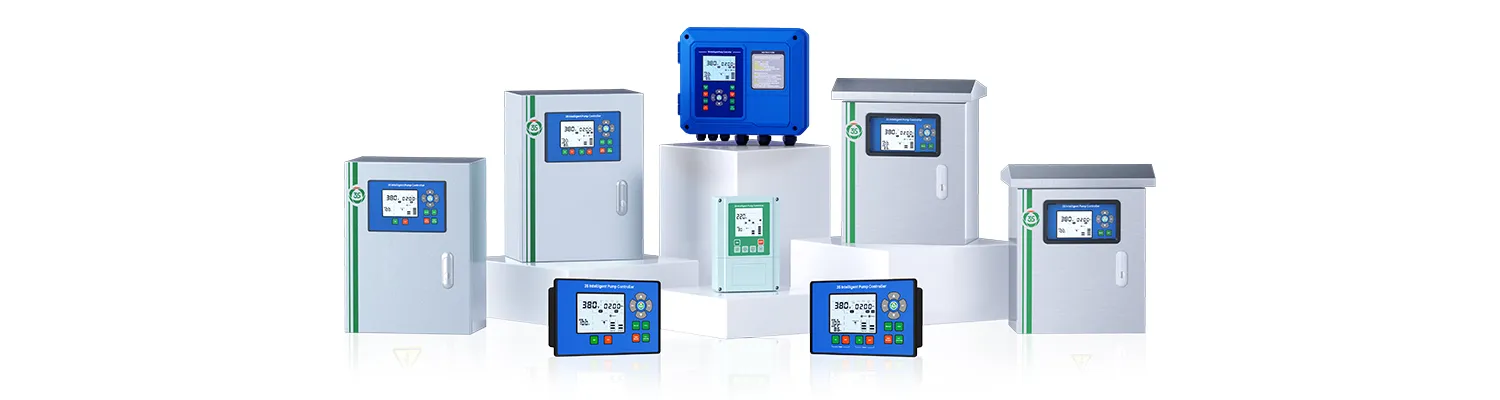
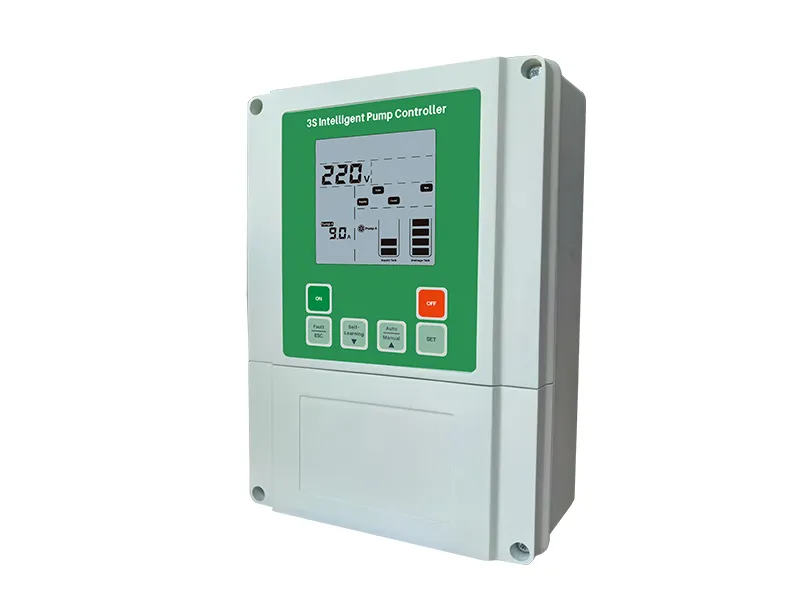
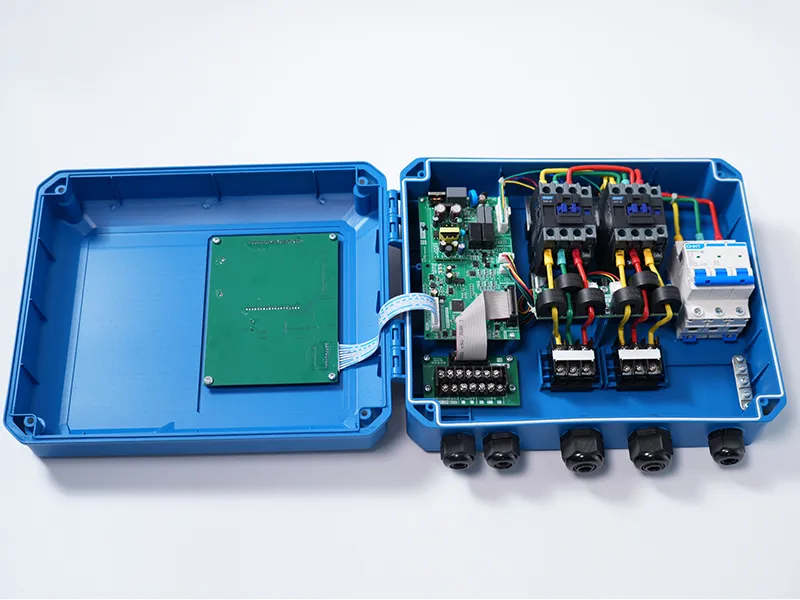
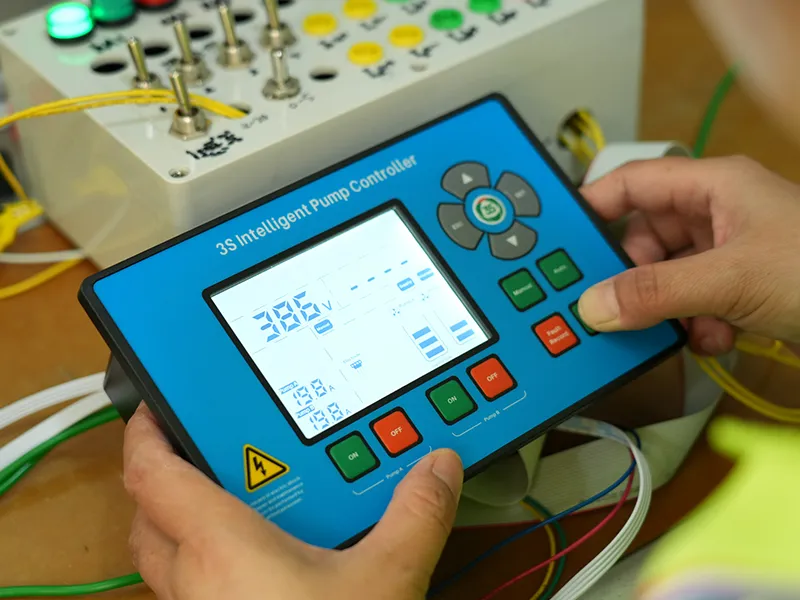
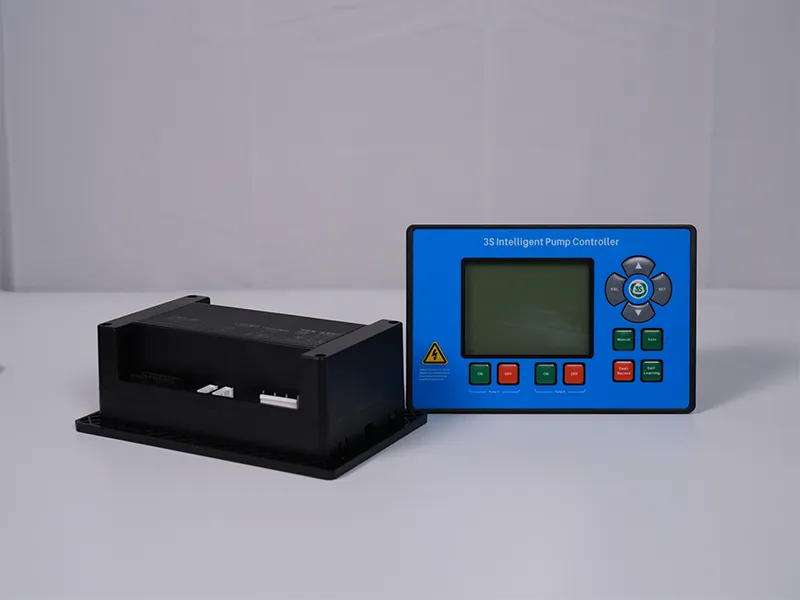
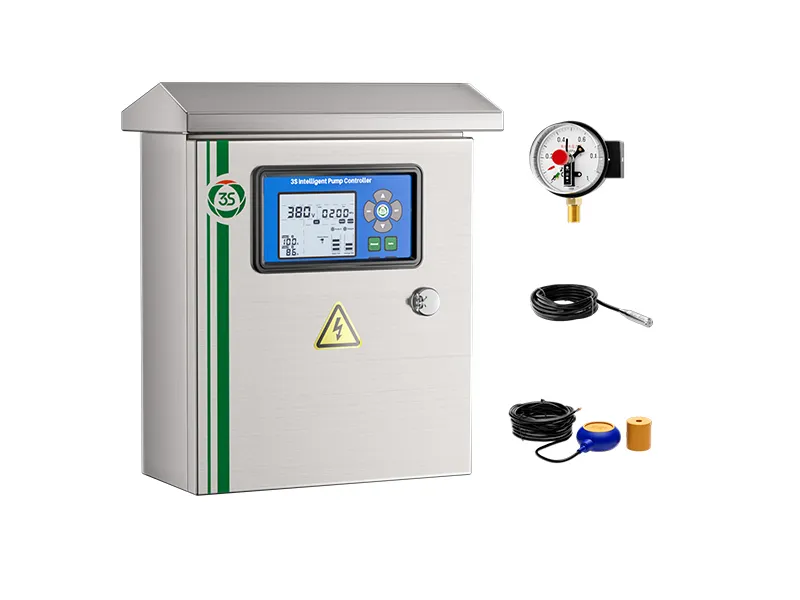
Taking the 3S Smart Pump Controller as an example, the system can integrate multiple signals, including pressure, water level, and motor current, to achieve real-time monitoring and intelligent management of pump operation.
1. Real-Time Monitoring of Critical Operating Parameters
An smart pump controller can collect and analyze:
By continuously analyzing these parameters, the system can identify abnormal operating trends before serious problems occur.
For example, when the water source level decreases or suction conditions deteriorate, the control system can respond quickly and activate protective strategies.
2. Prevent Pump Operation Under Risky Conditions
An intelligent control system can:
By minimizing unsuitable operating conditions, intelligent control helps reduce cavitation probability and improve overall system performance.
3. Provide Automatic Protection Functions
For unmanned pump stations, remote water supply systems, and smart water management applications, smart pump controller plays an essential role.
Through fault detection and protection logic, the system can:
This allows maintenance teams to identify potential problems earlier and reduce unexpected downtime.
Pump cavitation is not an isolated equipment problem. It is a comprehensive reflection of the entire pump system’s operating condition.
Effective cavitation prevention requires a combination of:
With the development of smart water management and unmanned pump stations, intelligent control technology is transforming traditional pump system management.
Through real-time monitoring, dynamic adjustment, and automatic protection, smart pump controllers help pumps operate in safer, more efficient, and more reliable conditions.
Pump cavitation is a critical factor affecting pump efficiency, reliability, and service life.
Understanding the causes of cavitation and applying intelligent pump control technology for proactive prevention are essential steps toward improving modern pump system performance.
In the future, as intelligent technologies continue to advance, pump systems will not only detect problems but also predict risks and automatically optimize operation.
Moving from passive maintenance to proactive management, intelligent pump control is helping create more efficient, reliable, and long-lasting pump systems.
 English
 Español
 русский язык
 Français
 اللغة العربية