Unmanned Pump Control, Choose 3S


 Language
Shanghai 3S Global Company Limited

Water pressure instability in a supply system often appears as fluctuating outlet pressure, pressure drops during peak demand, frequent pump cycling, or insufficient supply when multiple outlets operate simultaneously. These problems affect water availability, reduce system efficiency, and increase equipment wear and maintenance costs.
Pressure fluctuations can originate from the water source, pump, pipeline network, pressure monitoring devices, or control system. Identifying the actual cause requires evaluating operating data and site conditions rather than simply increasing the pump's pressure setting.
1. Fluctuating Water Demand
When multiple water outlets open or close simultaneously, the total system flow rate changes. If pump capacity does not match actual demand, pipeline pressure may fluctuate significantly.
For example, residential buildings, hotels, and commercial facilities may experience pressure drops during peak demand and pressure increases when water consumption decreases.
Solutions:
Select pumps and water supply equipment based on the system's maximum and minimum demand. For systems with substantial demand variations, consider multiple-pump operation or an appropriate pressure control strategy.
2. Incorrect Pump Selection or Insufficient Pump Capacity
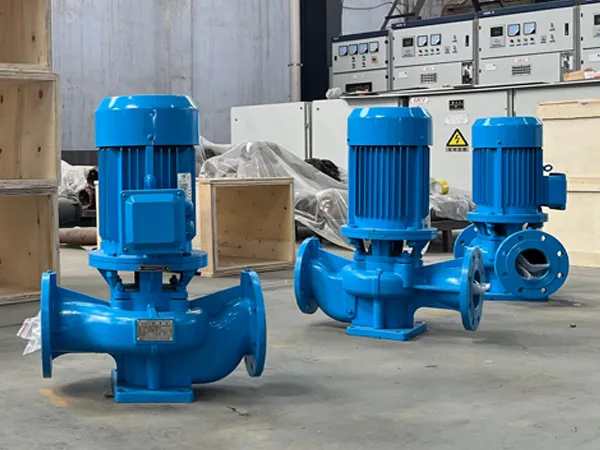
Pump flow rate and head must match the actual water supply requirements. If the pump capacity is insufficient, it may not meet simultaneous demand from multiple outlets, resulting in low pressure at the system's endpoints.
Conversely, an oversized pump without appropriate pressure regulation may cause excessive pressure, frequent cycling, or unstable operation.
Solutions:
Review the system's design flow rate, required head, and actual operating conditions. Check whether the pump operates within an appropriate range on its performance curve and adjust the pump configuration if necessary.
3. Pipeline Blockages or Water Leaks
Pipeline blockages increase flow resistance and pressure losses. Scale, debris, and sediment inside filters, valves, and pipes can restrict water flow.
Leaks reduce the amount of water delivered to the intended outlets and may cause pressure drops in affected sections.
Solutions:
Inspect filters, valves, and pipelines for blockages and remove accumulated deposits. Check pipe joints, seals, and connections to identify and repair leaks.
4. Faulty Pressure Sensors or Pressure Switches
Pressure sensors and pressure switches monitor system pressure and provide signals for pump starting and stopping. If a device is damaged, drifting, incorrectly wired, or improperly installed, the controller may not accurately detect actual pressure.
For example, an incorrectly high reading may cause the pump to stop prematurely, while an incorrectly low reading may lead to prolonged operation or frequent starting.
Solutions:
5. Incorrect Pressure Tank Pre-Charge or Insufficient Capacity
A pressure tank stores a volume of pressurized water. Its air cushion or diaphragm absorbs pressure changes and helps reduce frequent pump cycling.
If the pre-charge pressure is incorrect, the bladder or diaphragm is damaged, or the tank is undersized, its buffering capacity decreases, potentially causing pressure fluctuations and frequent pump starts.
Solutions:
Check the tank's pre-charge pressure and inspect the bladder or diaphragm. Adjust the pre-charge according to the pressure switch settings and manufacturer's specifications. Reassess tank capacity if necessary.
6. Frequent Pump Cycling or Incorrect Control Settings
If the pump start and stop pressure settings are inappropriate, or the pressure differential between them is too small, the pump may repeatedly start and stop within short intervals.
Fluctuating pressure signals, insufficient pressure tank buffering, and unsuitable control delays can further contribute to frequent cycling.
Solutions:
Set appropriate start and stop pressure thresholds and necessary starting delays according to system requirements. Check pressure signals and tank conditions to ensure that control settings match actual operating conditions.
7. Improper Operating Modes in Multi-Pump Systems
In dual-pump or multi-pump systems, inappropriate operating modes may result in uneven load distribution, delayed standby pump activation, or poor coordination between pumps.
For example, if one pump handles the entire water supply demand continuously, it may accumulate excessive operating hours while the other pump remains underutilized.
Solutions:
Select an appropriate operating mode based on system requirements:
l Alternation: Switch the lead pump periodically to balance operating hours.
l Duty/Standby: One pump supplies water while another remains on standby.
l Simultaneous Operation: Multiple pumps operate together when demand increases.
Configure pump switching and activation conditions according to actual flow requirements and equipment capabilities.
8. Air Entrapment or Water Hammer
Air trapped inside pipelines can interrupt smooth water flow, causing fluctuating pressure readings, poor water delivery, and unusual noise.
Water hammer generally occurs when pumps start or stop suddenly, valves close rapidly, or flow velocity changes abruptly. The sudden change in fluid momentum creates transient pressure waves that can cause significant short-term pressure increases or decreases.
Solutions:
Inspect high points in the pipeline and air-release devices to remove unwanted trapped air. For systems prone to water hammer, consider slow-closing valves, water hammer arrestors, or suitable pump starting and stopping control measures based on system design.
When pressure fluctuations occur, first observe when they happen and under what operating conditions. Then carry out targeted inspections.
|
Symptom |
Possible Cause |
Priority Inspection |
|
Pressure drops during peak demand |
Insufficient pump capacity or increased demand |
Flow rate, head, pump operation |
|
Frequent pump cycling |
Incorrect pressure settings or pressure tank problems |
Start/stop thresholds, pre-charge pressure |
|
Unusual pressure gauge fluctuations |
Sensor faults or trapped air |
Pressure sensor, air-release devices |
|
Low pressure in specific pipeline sections |
Blockages or leaks |
Filters, valves, pipelines |
|
Uneven water supply in multi-pump systems |
Incorrect operating mode |
Lead/standby switching, pump records |
|
Sudden pressure surges |
Water hammer or rapid valve closure |
Valves and pump starting/stopping sequence |
Key Point: Monitor both pump discharge pressure and pressure at the system's endpoints. Normal discharge pressure does not guarantee adequate pressure at every outlet, as pipeline resistance, elevation differences, and local flow changes can all contribute to pressure losses.
Improving water pressure stability requires more than simply increasing the pump pressure setting. System design, equipment maintenance, and automatic control must work together.
1. Match Pump Capacity to System Demand
Select pumps based on building height, pipeline length, required flow rate, and pressure requirements. Ensure the operating point meets the system design conditions.
2. Optimize Pipeline and Pressure Tank Configuration
Use appropriate pipe diameters and layouts to minimize unnecessary pressure losses. Regularly inspect filters, valves, pressure tanks, and pipeline connections.
3. Configure Appropriate Pressure Settings
Adjust pump start and stop pressure thresholds and control delays according to actual demand to avoid frequent cycling caused by unsuitable settings.
4. Optimize Multi-Pump Operation
For systems with varying demand, use suitable alternation, duty/standby, or simultaneous operation strategies to improve equipment utilization and supply reliability.
5. Monitor System Operating Data
Record water pressure, flow rate, pump operating hours, and starting frequency. Use changes in these measurements to identify potential problems before they interrupt the water supply.
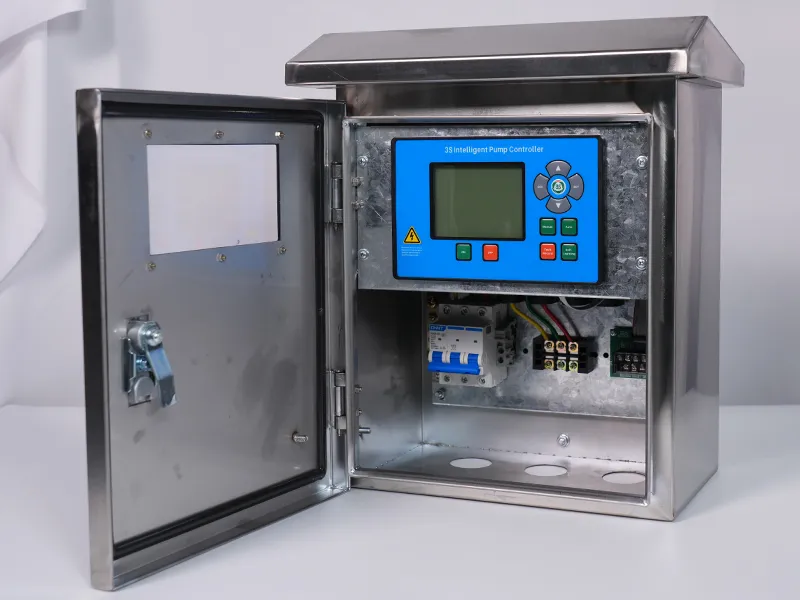
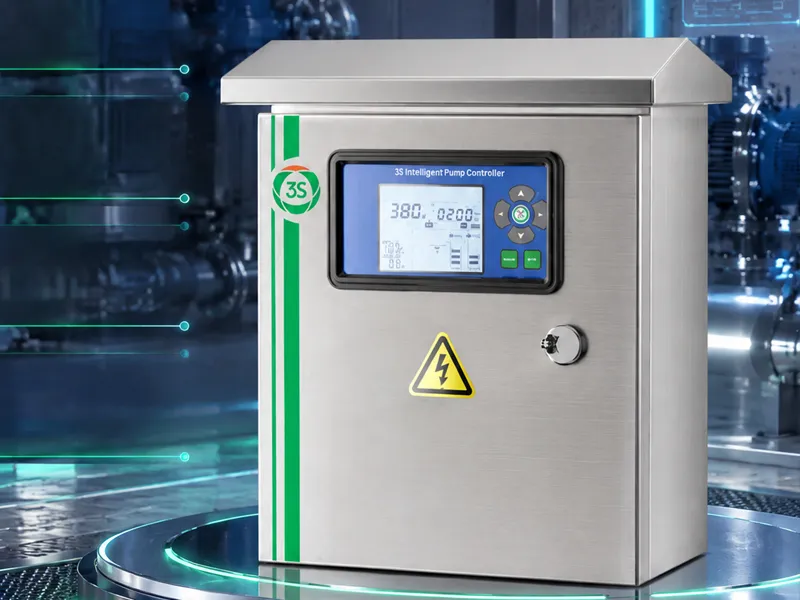
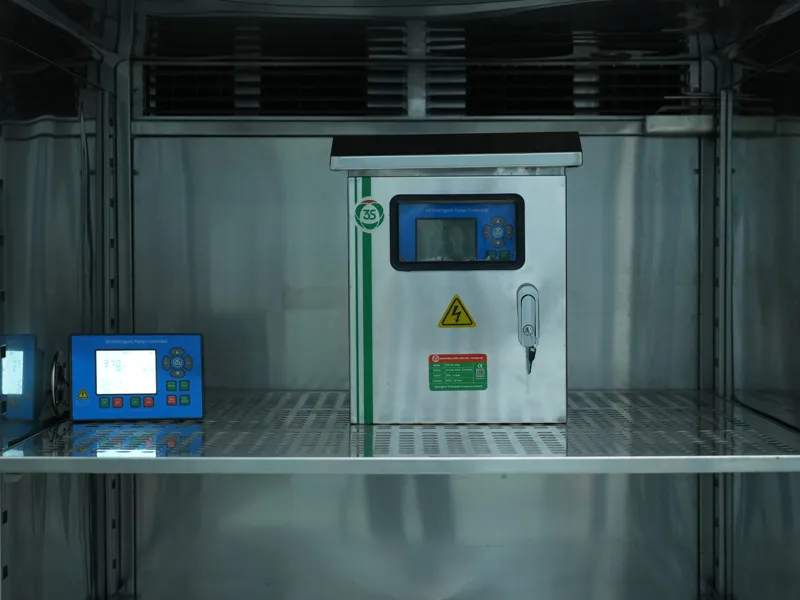
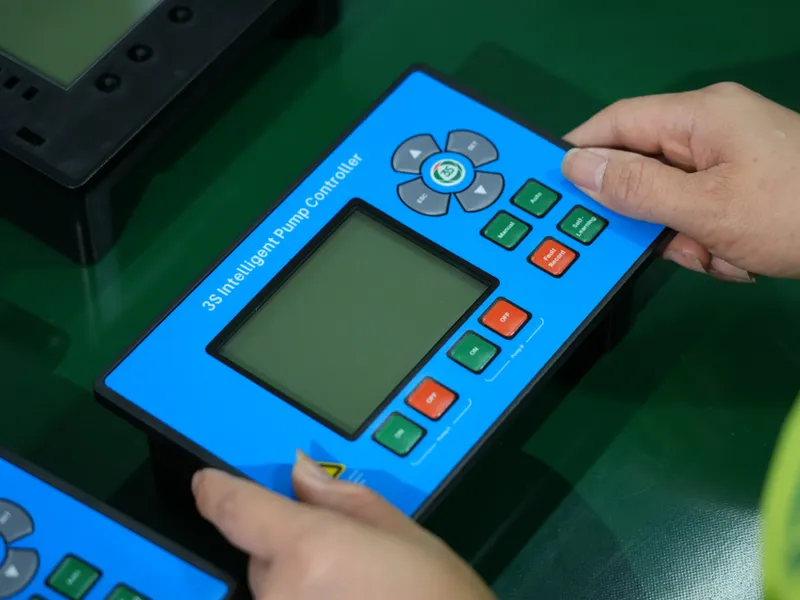
A water pump controller is an important part of an automatic water supply system. By receiving signals from pressure sensors or pressure switches, the controller manages pump starting and stopping according to configured pressure conditions. This reduces manual operation and helps maintain system pressure within the selected operating range.
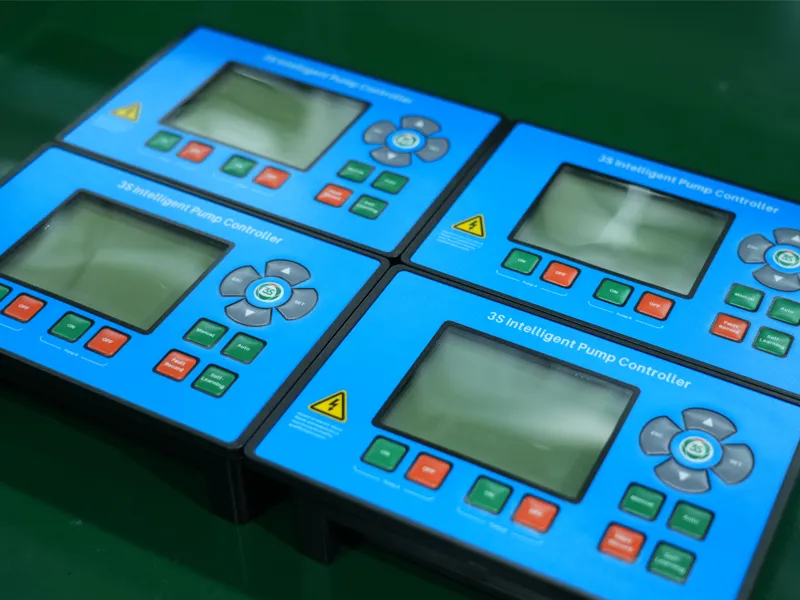
3S water pump controllers support pressure signal inputs. Depending on the model, they can accept 4–20mA or 0–5V pressure signals and provide automatic control and multiple pump operating modes for water supply and pressure boosting applications.
For dual-pump systems, selected 3S models and configurations also support alternation, duty/standby, and simultaneous pump operation, helping users manage equipment according to actual water demand.
It is important to distinguish DOL (Direct-On-Line) control from variable-frequency control. DOL controllers primarily regulate pressure through pump starting and stopping. They do not provide continuous motor speed adjustment for constant-pressure operation. Actual pressure stability also depends on pump selection, pressure tank capacity, pipeline design, sensor configuration, and control settings.
Unstable water pressure is commonly related to changing water demand, pump selection, pipeline resistance, pressure monitoring, pressure tank performance, and control strategies.
The key to resolving these problems is to analyze pressure and flow data, identify the source of instability, and improve system operation through proper equipment selection, pipeline maintenance, suitable pressure settings, and automatic control.
For water equipment manufacturers, contractors, and system integrators, an appropriate pump control solution can improve water supply reliability while reducing unnecessary pump cycling and maintenance costs.
 English
 Español
 русский язык
 Français
 اللغة العربية