Unmanned Pump Control, Choose 3S


 Language
Shanghai 3S Global Company Limited

Centrifugal pumps are widely used in water supply, irrigation, drainage, industrial processes, and building services. However, improper operating conditions, insufficient maintenance, or incorrect system configuration can lead to problems such as cavitation, dry running, low flow, motor overload, and frequent starting and stopping.
Understanding the causes of these problems is essential for maintaining pump performance, reducing equipment damage, and improving system reliability. This article explains five common centrifugal pump problems, why they occur, and how to prevent them through proper system design, operation, and protection.
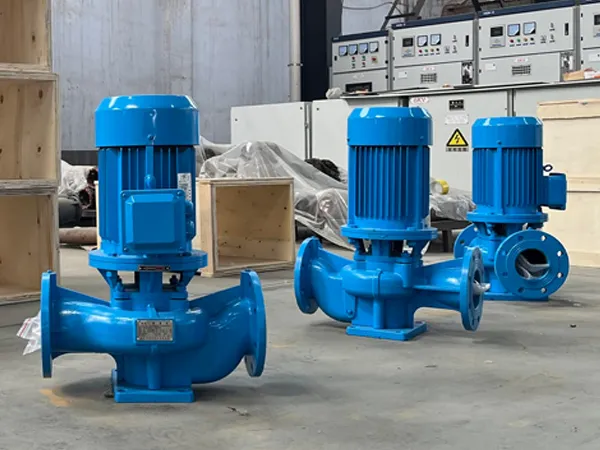
Cavitation occurs when the pressure at the pump inlet or inside the impeller drops below the liquid's vapor pressure, causing vapor bubbles to form. When these bubbles enter higher-pressure areas, they collapse rapidly, potentially damaging the impeller and other internal components.
Common signs include unusual noise, vibration, reduced flow, and declining pump performance. If cavitation continues, it can cause surface pitting and premature wear of pump components.
How to prevent it:
Dry running occurs when a centrifugal pump operates without sufficient liquid inside the pump. Since the pumped liquid helps cool and lubricate certain pump components, running without adequate liquid can cause overheating, seal damage, and accelerated wear.
It may happen when the water source is depleted, the suction line is blocked, air enters the suction pipe, or the liquid level falls below the required operating level.
How to prevent it:
A centrifugal pump may deliver insufficient flow or no liquid at all due to problems in the suction or discharge system, incorrect pump selection, or improper operating conditions.
Common causes include blocked filters, closed or partially closed valves, air trapped in the pump, incorrect rotation direction, and insufficient suction conditions. In some cases, the pump may also be operating far from its intended operating range.
How to prevent it:
Motor overload occurs when the motor draws more current than its rated operating conditions allow. Prolonged overload can cause excessive heat, damage motor insulation, and shorten motor service life.
For centrifugal pumps, possible causes include excessive flow under certain operating conditions, mechanical friction, bearing problems, incorrect motor selection, and abnormal power supply conditions.
How to prevent it:
Frequent starting and stopping, also known as short cycling, can increase electrical and mechanical stress on the pump system. Repeated starts may accelerate contactor wear, increase motor heating, and reduce equipment service life.
This problem is often associated with an undersized or waterlogged pressure tank, incorrect pressure switch settings, unstable water demand, leakage in the pipeline, or improperly configured control logic.
How to prevent it:
Not all centrifugal pump problems can be solved by a pump control box. Hydraulic issues such as cavitation and pipeline blockage require proper pump selection, system design, and maintenance. However, a suitable pump control box can help reduce electrical risks, monitor operating conditions, and prevent certain abnormal operating states from causing further damage.
Depending on the controller model and system configuration, key functions may include:
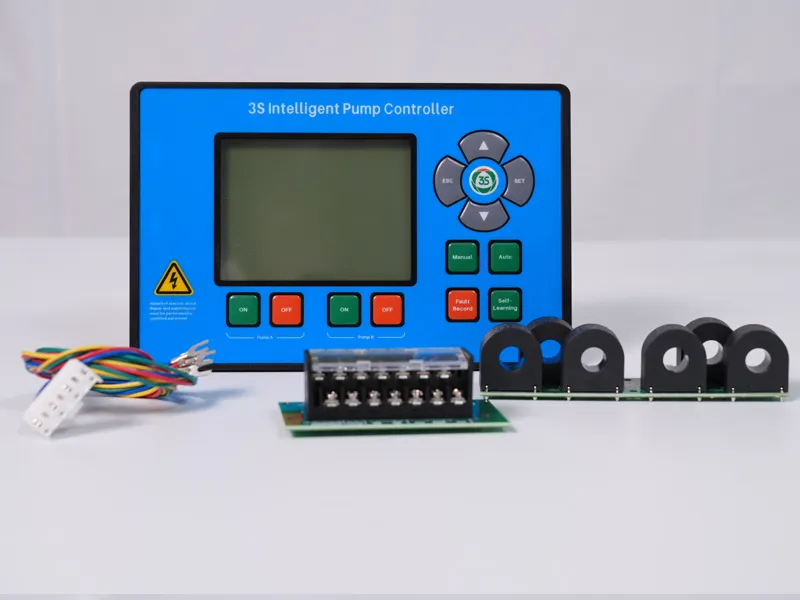
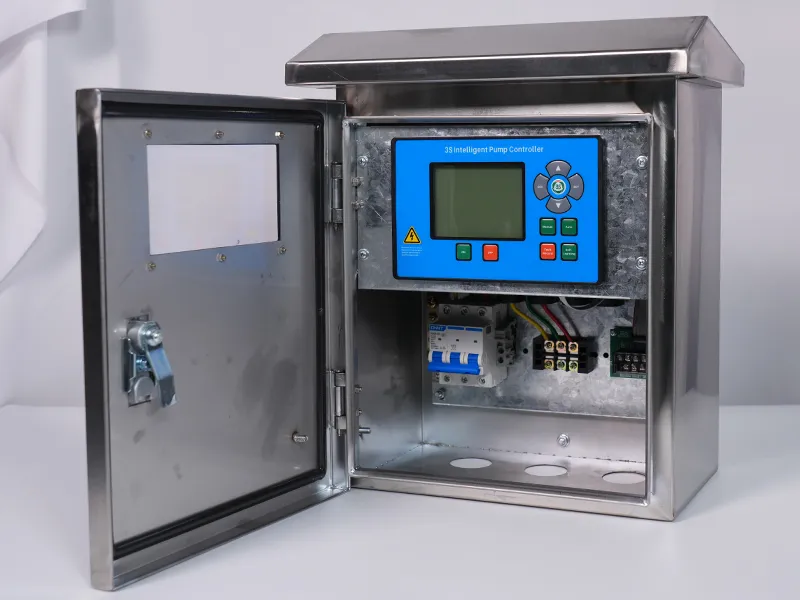
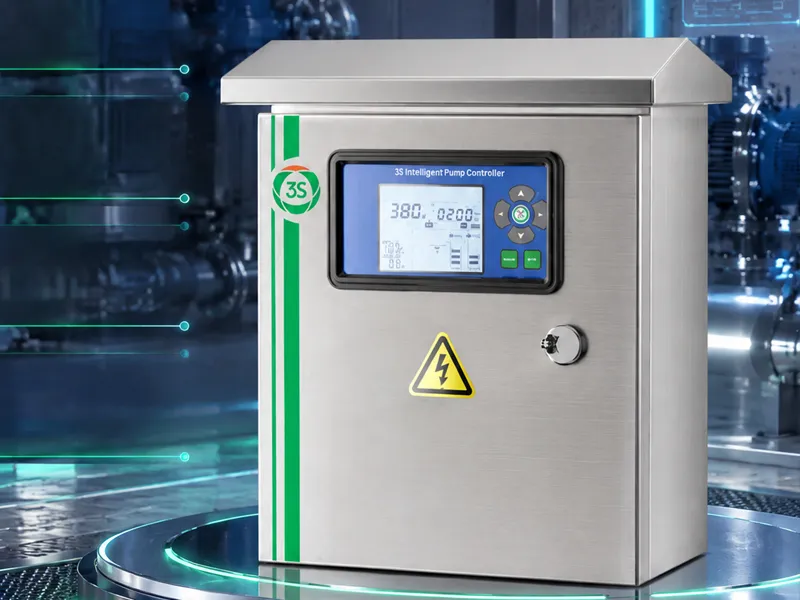
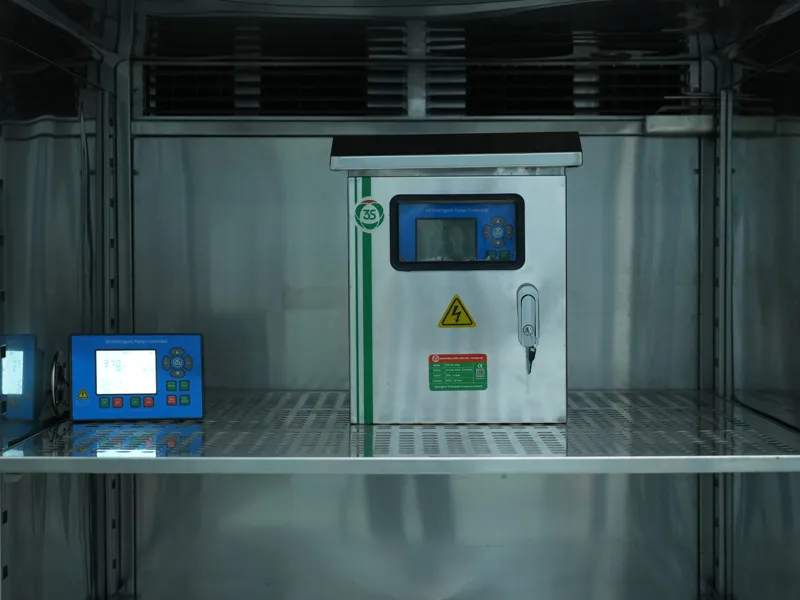
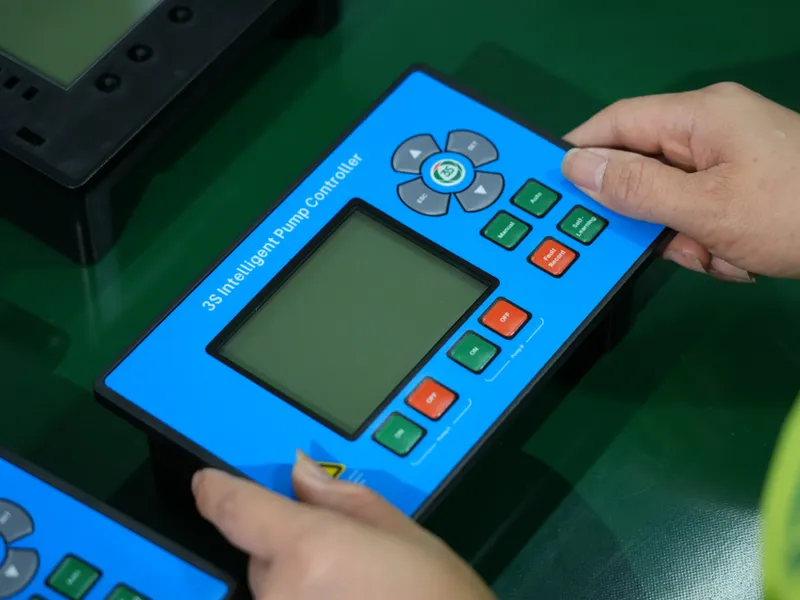
3S pump control box provides a range of motor protection and automatic control functions to support reliable pump operation. With suitable sensor inputs and protection settings, they can help reduce manual intervention and improve the management of water pump systems.
Cavitation, dry running, low flow, motor overload, and frequent starting and stopping are common problems that can affect centrifugal pump performance and service life. Preventing them requires more than simply installing a pump protection device. Correct pump selection, suitable pipeline design, regular inspection, and properly configured control systems all play important roles.
By understanding the causes of common operating problems and taking appropriate preventive measures, users can improve pump reliability, reduce unnecessary maintenance, and keep water pumping systems operating more efficiently.
 English
 Español
 русский язык
 Français
 اللغة العربية