Unmanned Pump Control, Choose 3S


 Language
Shanghai 3S Global Company Limited

When selecting a smart pump controller, protection rating is more than just a technical specification. It directly affects how well the enclosure protects internal electrical components against dust and water in the installation environment.
IP55 and IP65 are two common protection ratings for pump control enclosures. Although both provide protection against water jets, they differ in their level of dust protection. So, does your application really require IP65, or is IP55 sufficient?
The right choice depends on where the smart pump controller is installed, how much dust it is exposed to, and whether water jets or routine cleaning are expected around the enclosure.
According to IEC 60529, the IP (Ingress Protection) code classifies the degree of protection provided by an electrical enclosure against the ingress of solid objects and water. The first digit indicates protection against solid particles, while the second digit indicates protection against water.
The key difference between IP55 and IP65 lies in the first digit:
IP55: Dust-Protected and Protected Against Water Jets
First digit 5: The enclosure is dust-protected. Dust ingress is not completely prevented, but any dust that enters must not accumulate in quantities sufficient to interfere with the equipment's satisfactory operation or impair safety.
Second digit 5: The enclosure is protected against water jets from any direction under specified test conditions.
IP65: Dust-Tight and Protected Against Water Jets
First digit 6: The enclosure is dust-tight, providing complete protection against dust ingress under the specified test conditions.
Second digit 5: Like IP55, the enclosure is protected against water jets from any direction under specified test conditions.
The important distinction: IP65 provides a higher level of dust protection than IP55, but both have the same water protection rating. Choosing IP65 does not mean getting a higher level of water protection.
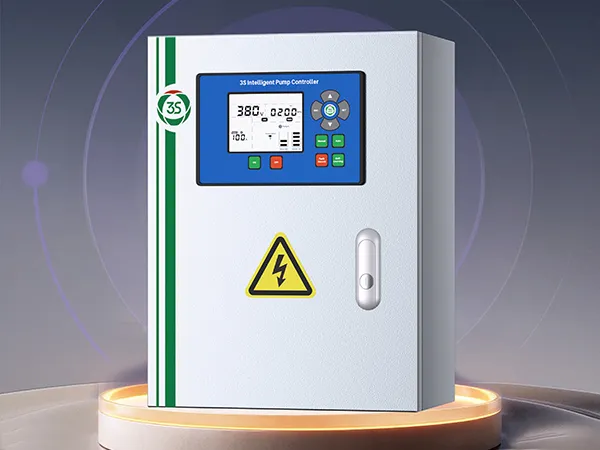
IP55 is often a practical choice for smart pump controllers installed in relatively sheltered environments where dust exposure is moderate and water splashing or low-pressure water jets may occur.
Typical applications include:
Indoor pump rooms with moderate dust exposure
Sheltered equipment areas in commercial buildings
Industrial facilities without heavy dust accumulation
Covered pump installations with occasional water splashing
Why choose IP55?
Not every installation requires a fully dust-tight enclosure. When the environment does not involve heavy or persistent dust exposure, IP55 can provide an appropriate level of enclosure protection without specifying a higher dust protection rating than necessary.
However, the actual suitability still depends on the enclosure's installation position, cable entries, sealing condition, and maintenance requirements.
IP65 is more suitable for environments where fine dust is a significant concern and preventing dust ingress is a priority. It provides a dust-tight enclosure while retaining the same water-jet protection level as IP55.
Typical applications include:
Dust-intensive industrial environments
Outdoor pump installations with significant dust exposure
Agricultural and irrigation facilities exposed to soil and airborne dust
Equipment areas where dust accumulation could affect electrical components
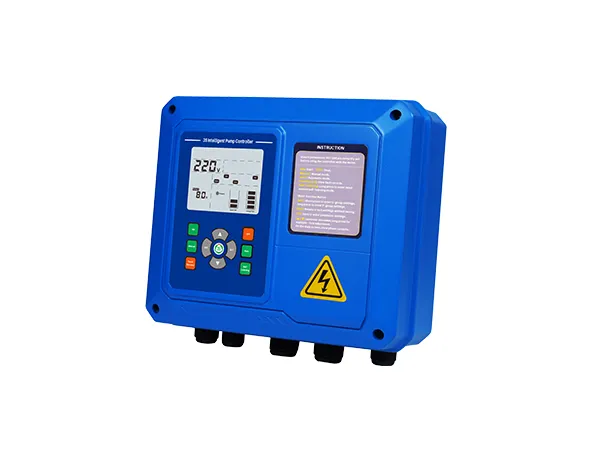
Why choose IP65?
Fine dust can gradually accumulate inside an electrical enclosure if its protection is insufficient. Over time, dust may affect electrical connections, interfere with component operation, or increase maintenance requirements.
IP65 provides a dust-tight enclosure, making it a more appropriate option when dust ingress must be prevented under the specified conditions.
However, IP65 should not be interpreted as waterproof or suitable for immersion. If the enclosure may be submerged or exposed to powerful water jets, a different protection level may be required.
Instead of automatically choosing the higher rating, evaluate the actual conditions around the smart pump controller.
Consider these four factors:
1. Dust Exposure
If the smart pump controller is installed in a relatively clean or moderately dusty area, IP55 may be sufficient. For environments with persistent fine dust or significant dust accumulation, IP65 is generally the better choice.
2. Water Exposure
Determine whether the enclosure is exposed to occasional splashing, rain, or direct water jets. Both IP55 and IP65 provide the same level of protection against water jets under specified test conditions. If stronger water exposure is expected, assess whether a higher water protection rating is necessary.
3. Installation Location
An indoor pump room, a covered outdoor area, and an exposed outdoor installation present different environmental challenges. Consider not only the location itself but also the direction of exposure, drainage conditions, and nearby water sources.
4. Maintenance Requirements
Consider how often the controller enclosure needs to be cleaned and whether cleaning involves water jets. The protection rating should match the actual cleaning method. Neither IP55 nor IP65 should automatically be assumed suitable for high-pressure washing.
Quick Selection Guide
Installation Conditions
Suggested Rating
Relatively clean indoor pump room
IP55 may be sufficient IP55
Sheltered industrial area with moderate dust
IP55 may be suitable IP55
Dust-intensive industrial environment
IP65 is recommended
Outdoor area with significant fine dust
IP65 is recommended
Areas exposed to powerful water jets or immersion
Assess a higher water protection rating
These recommendations are general selection guidelines. The final choice should be based on the actual site conditions and the manufacturer's verified enclosure rating.
IP55 and IP65 serve different dust protection requirements, even though both offer the same water-jet protection level.
IP55 is a practical option for relatively sheltered environments with moderate dust exposure, while IP65 is more suitable when complete dust protection is required under specified test conditions.
The best protection rating is not necessarily the highest one. It is the one that matches your installation environment, operating conditions, and maintenance requirements.
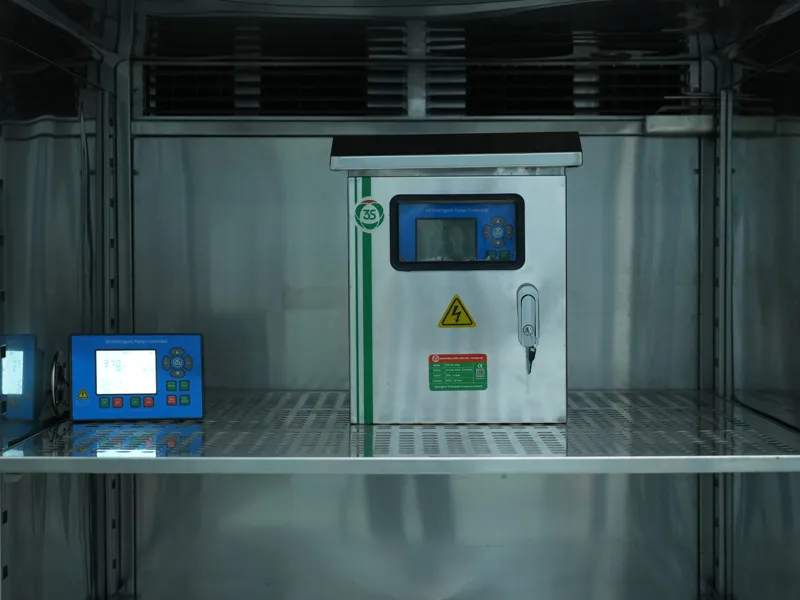
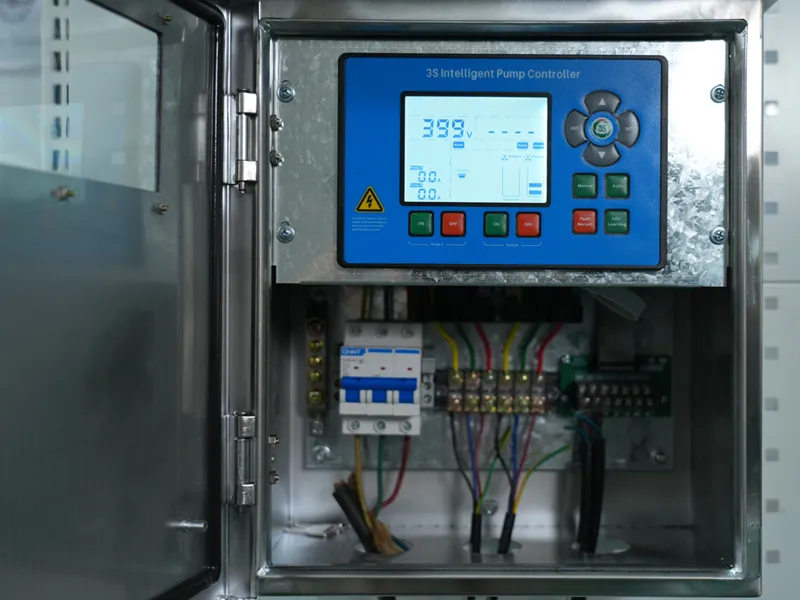
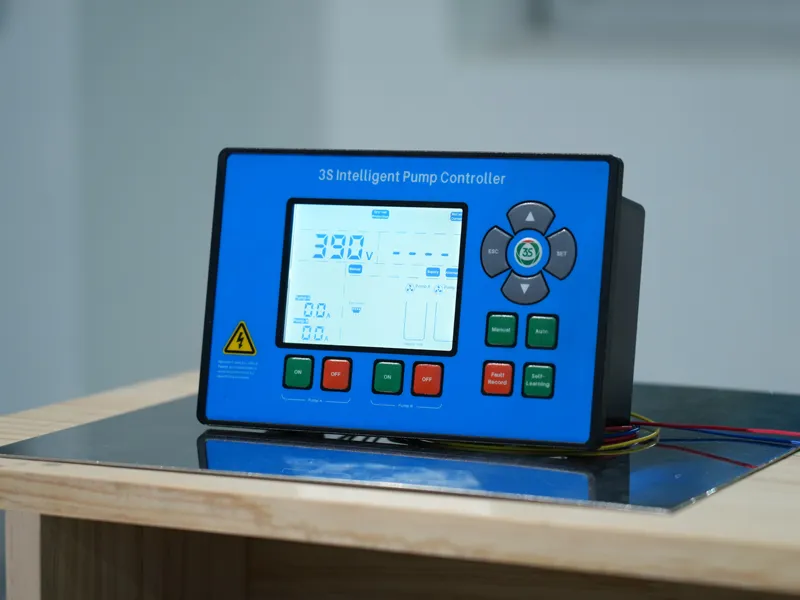
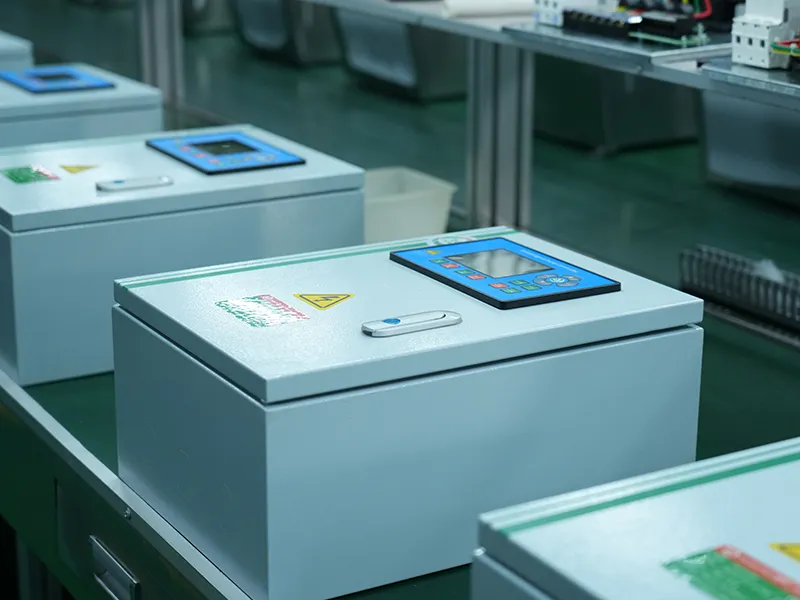
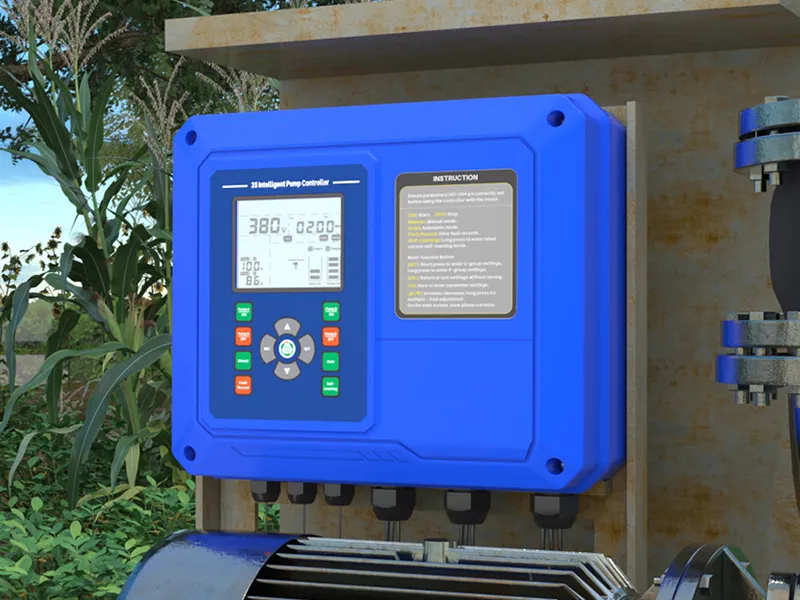
At 3S Global, we offer pump control solutions with different enclosure protection options to meet various installation requirements. Our IP65 ABS smart pump controller and IP55 stainless steel smart pump controller provide options for different environmental conditions. By considering enclosure protection alongside electrical performance and application requirements, customers can select a more suitable solution for their pumping systems.
 English
 Español
 русский язык
 Français
 اللغة العربية