Unmanned Pump Control, Choose 3S


 Language
Shanghai 3S Global Company Limited

Repeated pump trips interrupt water supply or drainage, increase maintenance costs, and may accelerate wear on motors and electrical components. If a pump trips again shortly after being reset, an underlying problem may still exist.
Common causes include power supply irregularities, motor overload, excessive cycling, mechanical faults, and unsuitable control settings. Identifying the root cause is essential to preventing recurring shutdowns.
1. Power Supply and Electrical Faults
Voltage fluctuations, phase imbalance, phase loss, and loose connections can cause abnormal motor current and protective shutdowns, potentially leading to motor overheating.
Solution: Check the supply voltage, phase balance, and electrical connections, and correct any identified faults.
2. Motor Overload and Incorrect Protection Settings
When motor current exceeds the permitted range, overload protection may shut down the pump. Excessive pump loads, increased mechanical resistance, and mismatched protection settings are common contributing factors.
A threshold that is too low may cause unnecessary trips, while one that is too high may compromise motor protection.
Solution: Compare the motor's rated and actual operating current, inspect the load, and configure protection settings according to manufacturer requirements.
3. Frequent Cycling and Improper Control Logic
Fluctuating level signals, rapid pressure changes, improper sensor installation, and unsuitable start-stop settings can cause repeated pump cycling. This increases electrical and mechanical stress on motors and contactors.
Solution: Check sensor signals and installation, optimize start-stop conditions, and consider suitable start delays or minimum off-times.
4. Mechanical Faults and Abnormal Operating Conditions
Blocked impellers, worn bearings, shaft binding, insufficient water supply, and pipeline problems can increase motor load or disrupt pump operation. Low-flow operation and poor suction conditions may also trigger protective shutdowns.
Water shortage, dry running, overload, and overheating are different conditions requiring appropriate detection and protection methods.
Solution: Inspect mechanical components, suction conditions, and pipelines, and select suitable protection functions based on actual operating risks.
5. Incompatible Control Systems and Application Requirements
If the controller's protection functions, settings, or input signals do not match the motor and application, unnecessary shutdowns or delayed fault detection may occur. Limited alarm information can also make troubleshooting more difficult.
Solution: Select a controller compatible with the motor ratings, sensor types, and operating environment. Consider remote alarms and operating-status monitoring where remote management is required.
Reducing repeated pump trips requires attention to fault diagnosis, protection settings, and routine maintenance:
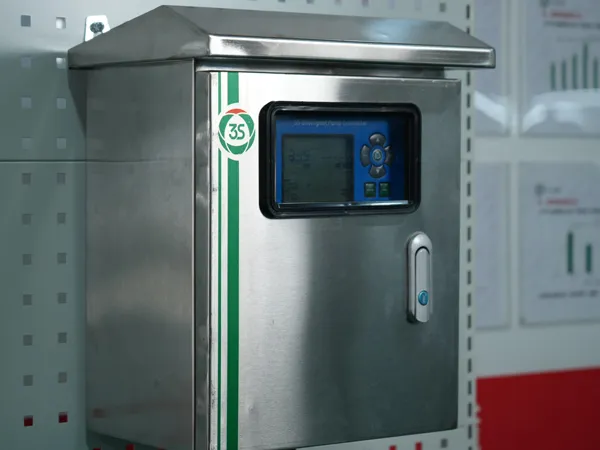
A suitable pump controller can help reduce avoidable shutdowns through appropriate protection and control functions. Key selection criteria include:
Motor protection: Overload, phase-loss, and other required protection functions.
Signal compatibility: Inputs for float switches, level electrodes, pressure sensors, and other required devices.
Operating control: Functions such as start delays, dual-pump alternation, and duty/standby switching.
Fault alarms: Clear fault indications, with remote alarms and status monitoring where needed.
Application compatibility: Appropriate motor power, voltage, rated current, and environmental suitability.
A controller cannot replace inspections of the power supply, pump, and pipelines or eliminate every possible cause of tripping. Its role is to provide suitable motor protection, reliable operating control, and useful fault information.
 English
 Español
 русский язык
 Français
 اللغة العربية