Unmanned Pump Control, Choose 3S


 Language
Language
Shanghai 3S Global Company Limited

When it comes to pump systems, selecting the right control strategy isn’t just about keeping operations running smoothly — it also directly impacts energy efficiency and long-term maintenance costs. In projects where power supply conditions vary, deciding between a Variable Frequency Drive (VFD) and a Direct-On-Line (DOL) control system requires a careful evaluation of the power grid and project requirements.
At its core, DOL control connects the motor directly to the power supply through a main contactor, allowing it to start at full voltage. What makes DOL so attractive is its simplicity — there’s no need for complicated VFD hardware, which keeps upfront costs low and installation easy.
In industrial facilities or urban areas with stable three-phase power, DOL systems offer excellent reliability. Consistent voltage ensures the motor gets enough current during startup, reducing the risk of failure or equipment damage due to voltage drops. On top of that, DOL systems are easy to maintain. They don’t require advanced technical skills for routine troubleshooting or component replacements, making them ideal for projects with limited budgets or minimal maintenance resources.
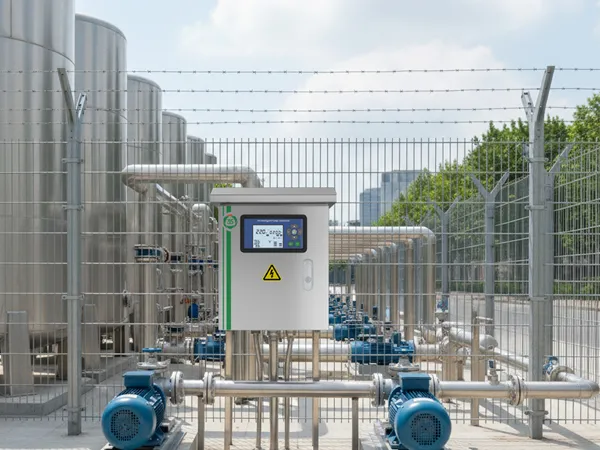
In contrast, VFD excels in regions with unstable power supplies. For example, in remote areas or newly developed industrial parks, VFDs reduce grid impact through gradual soft-start processes and automatically adjust output frequency to maintain motor stability during voltage fluctuations. Built-in overload protection and voltage compensation further enhance system robustness.
However, in environments where power is stable and loads are steady, the extra complexity, higher upfront investment, and maintenance demands of VFDs may not be worth it — especially if the energy savings can’t fully justify the added cost.
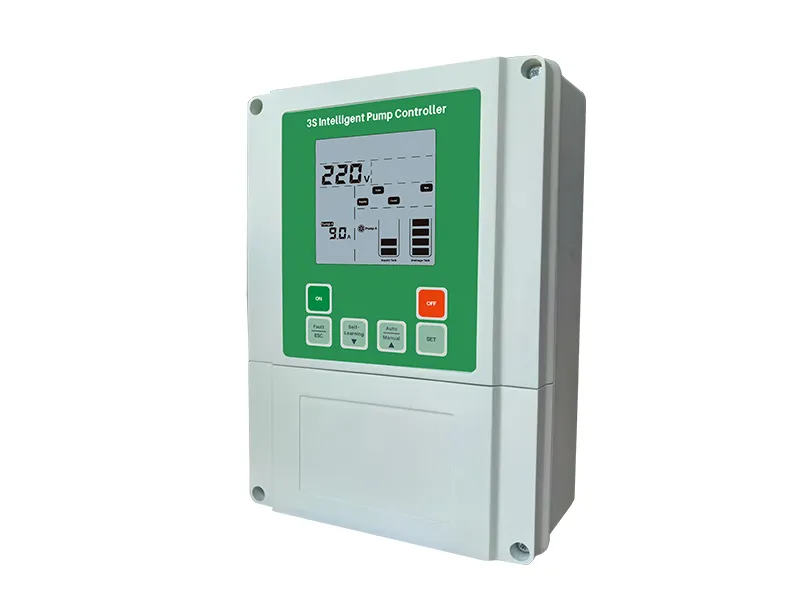
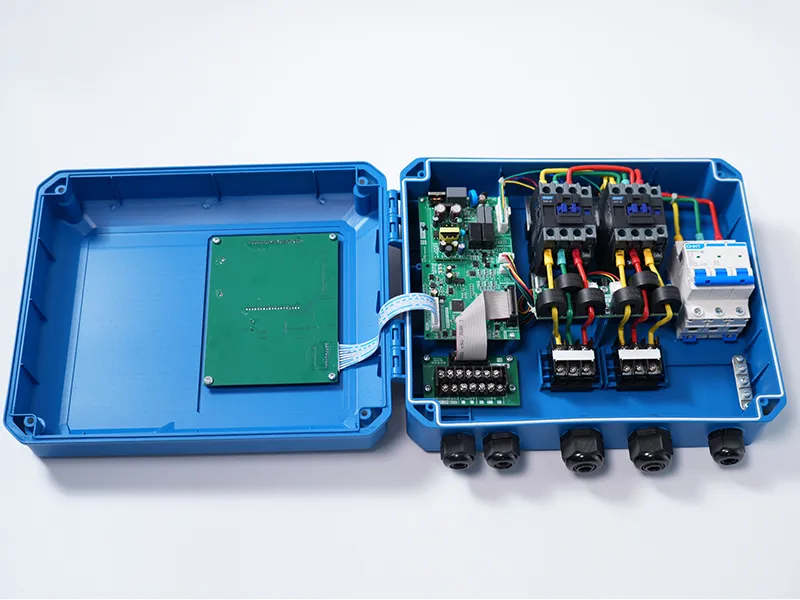
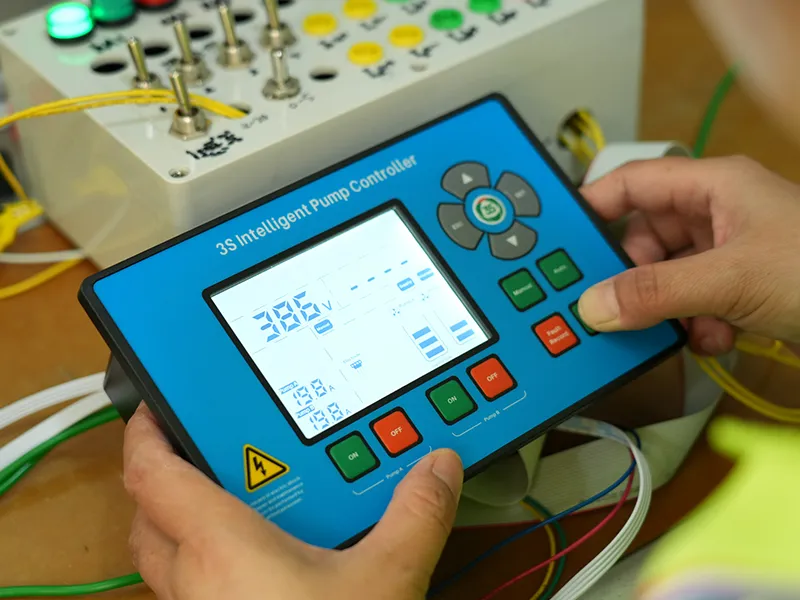
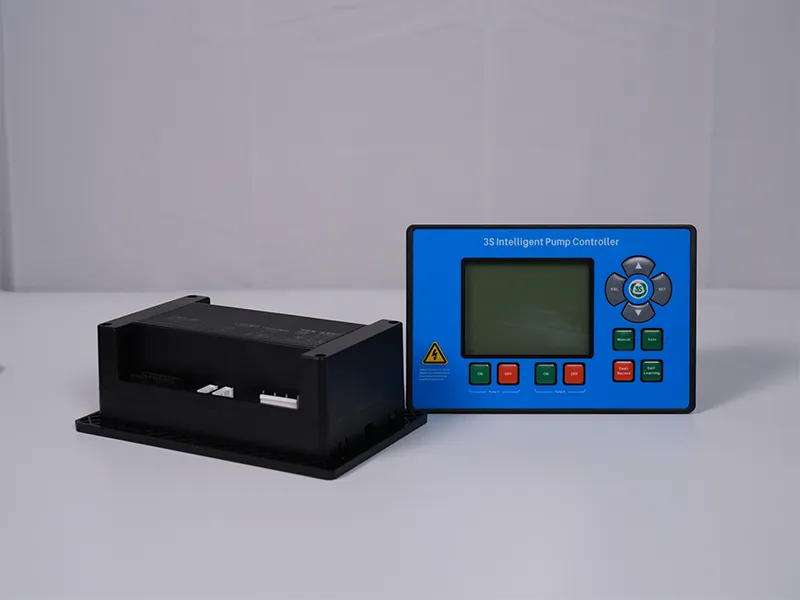
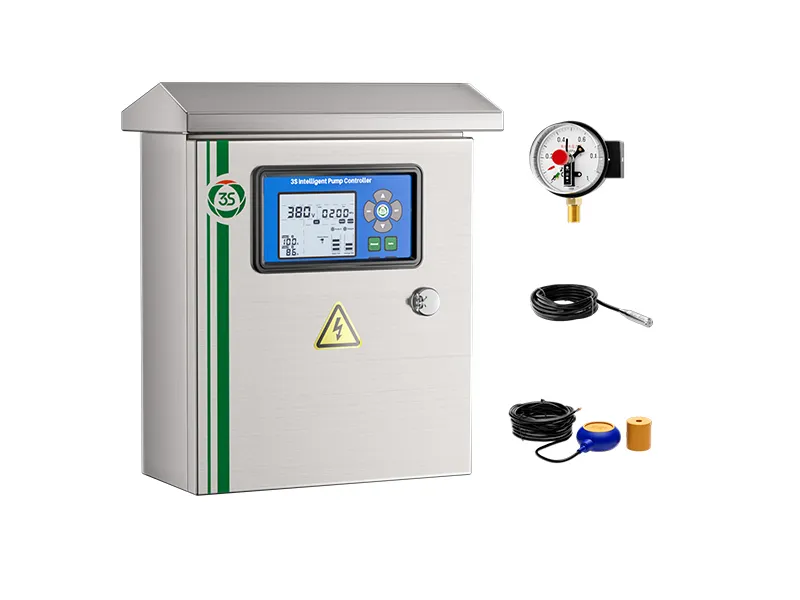
Modern DOL systems have come a long way. By integrating intelligent pump controllers — like PLCs or specialized monitoring modules — DOL setups can now offer real-time monitoring, fault detection, and even remote control. These upgrades help prevent common issues like motor overheating or water hammer in pipelines. They also allow operators to fine-tune start/stop cycles based on real-time data, which lowers operational risks and helps optimize performance.
Ultimately, choosing between DOL and VFD control is about striking the right balance between cost, reliability, and energy efficiency. For projects with stable power supply and steady load demands — such as constant-pressure water supply systems in large factories — DOL remains a smart, cost-effective choice. On the other hand, if your project faces grid capacity limits, frequent start-stop cycles, or strict energy-saving targets, VFD might be the better fit.
 English
 Español
 русский язык
 Français
 اللغة العربية