Unmanned Pump Control, Choose 3S


 Language
Language
Shanghai 3S Global Company Limited

In modern pump control systems, signal sensing devices serve as the critical "eyes and ears" that enable automation, protect valuable equipment, and optimize operational efficiency. While many people are familiar with basic devices like float switches or electrode probes, today's advanced pump controllers can interface with a diverse array of sensing technologies to create smarter, more responsive systems.
We've compiled this comprehensive guide to 10 essential signal devices for pump controllers, covering digital switches, analog signals, and environmental monitoring sensors. Whether you're designing a new system or upgrading an existing one, this overview will help you understand the full spectrum of sensing solutions available for automated pump systems.
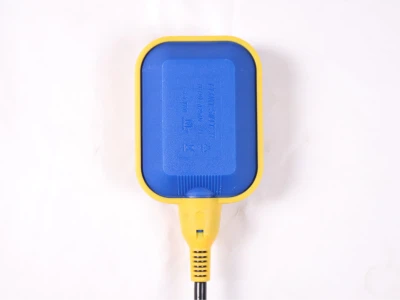
Working Principle:
A magnet housed inside a buoyant float activates a sealed reed switch as liquid levels rise and fall.
Typical Applications:
Automatic water replenishment in storage tanks, reliable drainage control in sewage collection pits, and simple liquid level management in various industrial processes.
Working Principle:
Leverages water's natural conductivity to detect predetermined high and low liquid levels, offering more precise control points without mechanical components.
Typical Applications:
Water tower level management, chemical process tanks where stable liquid level monitoring is crucial, and applications where mechanical floats might jam or fail.
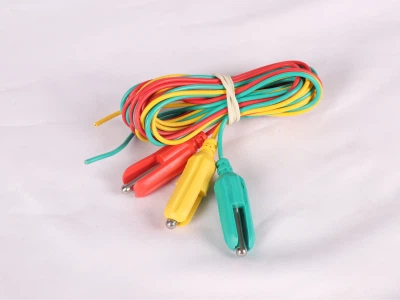
3. Electric Contact Pressure Gauge
Working Principle: Combines a traditional mechanical pressure gauge with electrical contact points that trigger switch signals when pressure reaches preset values.
Typical Applications: Straightforward pressure control scenarios, such as initiating low-pressure pump operation or stopping pumps when high-pressure thresholds are reached.
4. Pressure Switch
Working Principle: A pressure-responsive diaphragm or spring mechanism activates a micro-switch at predetermined pressure setpoints.
Typical Applications: Start/stop control in pneumatic systems, hydraulic system pressure management, and compressor control applications.
5. Flow Switch
Working Principle: Fluid flow movement deflects an internal paddle or vane, mechanically triggering a switch mechanism.
Typical Applications: Critical dry-run protection for pumps, verification of fluid circulation in HVAC systems, and process flow confirmation in industrial applications.
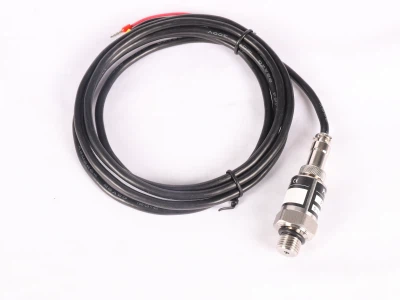
Working Principle:
Continuously measures liquid level through various technologies (hydrostatic, ultrasonic, or capacitive) and outputs a proportional 4–20mA linear signal.
Typical Applications:
Precision monitoring of tank inventory levels, automated pump sequencing based on actual demand, and process control requiring continuous level data.
7. Pressure Transmitter (4–20mA)
Working Principle: Precisely measures system pressure and transmits this information as a standardized 4–20mA current signal.
Typical Applications: Real-time pressure feedback for variable speed drives in constant-pressure water supply systems, enabling dynamic pump speed adjustment for significant energy savings.
8. Remote Pressure Gauge (0–5V)
Working Principle: Operates similarly to a transmitter but outputs a voltage signal (typically 0-5V or 0-10V) instead of current.
Typical Applications: Shorter-distance signal transmission where cost-effectiveness is prioritized, and basic pressure monitoring requirements.
9. Temperature Sensor
Working Principle: PT100 resistance temperature detectors or thermocouples measure temperature, often with 4–20mA signal output capability.
Typical Applications: Critical monitoring of pump motor bearing temperature, process water temperature verification, and ambient temperature monitoring for overheating protection and system interlocks.
10. Humidity Sensor
Working Principle: Detects ambient humidity changes through capacitive or resistive sensing elements, outputting standardized signals.
Typical Applications: Protection of electrical control cabinets from condensation, pump room environmental monitoring, and prevention of electrical short circuits due to excessive moisture.
The signal sensing devices available for pump control systems extend far beyond basic float switches and electrode probes. Modern systems integrate pressure, flow, temperature, and humidity sensors to create comprehensive protection and control networks. Selecting appropriate sensing technology enables:
Full automation of pump operations
Enhanced system safety and reliability
Extended equipment lifespan through proper protection
Significant energy savings through optimized control
By understanding these common signal device types and their applications, engineers and technicians can design more flexible, intelligent, and efficient pump control solutions tailored to specific operational requirements.
Looking to implement the right sensing solution for your pump control system? Contact our technical experts for personalized guidance on selecting and integrating the ideal sensing devices for your specific application.
 English
 Español
 русский язык
 Français
 اللغة العربية