Unmanned Pump Control, Choose 3S


 Language
Language
Shanghai 3S Global Company Limited

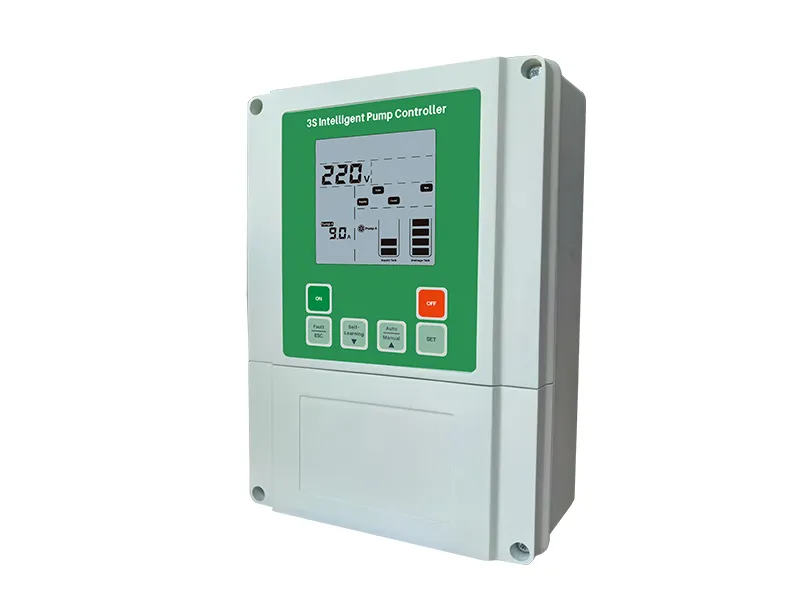
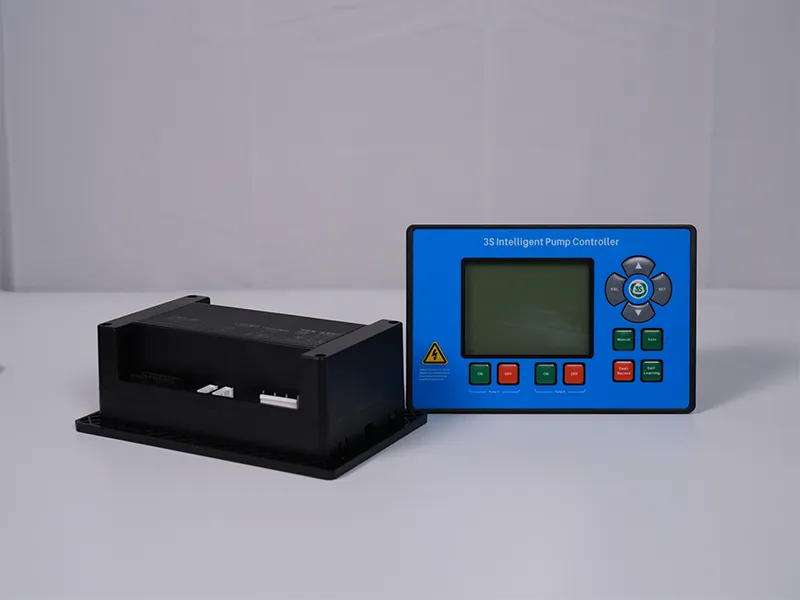
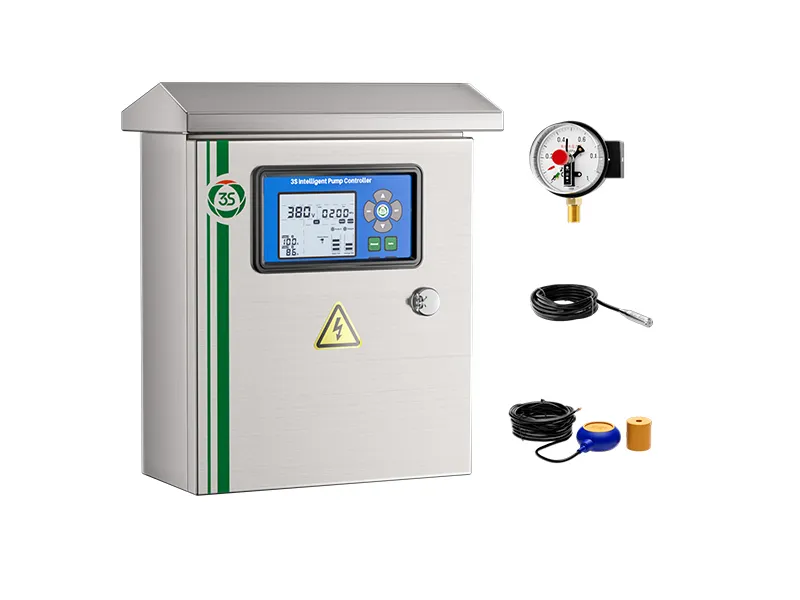
In industrial automation and fluid control, the control cabinet serves as the core hub. Its design, compatibility, and reliability directly determine the performance of the entire system. For pump manufacturers, fire pump manufacturers, control panel assemblers, and system integrators, a highly adaptable, fully functional, and durable Intelligent Pump Controller is key to improving product competitiveness and project efficiency. The 3S PLC Pump Control Panel offers a modular design foundation, multiple features, and strict quality control, providing the industry with a new solution for control cabinet design.
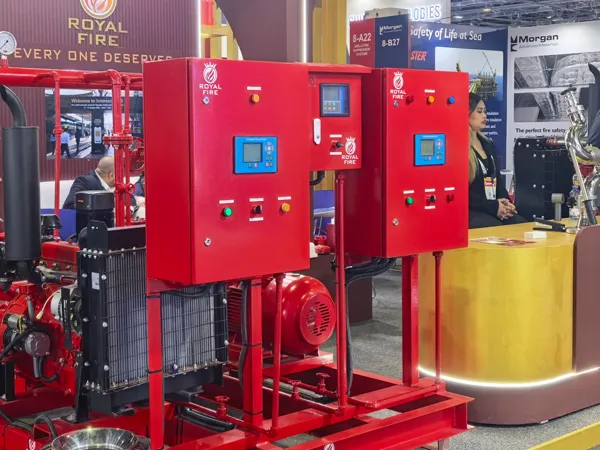
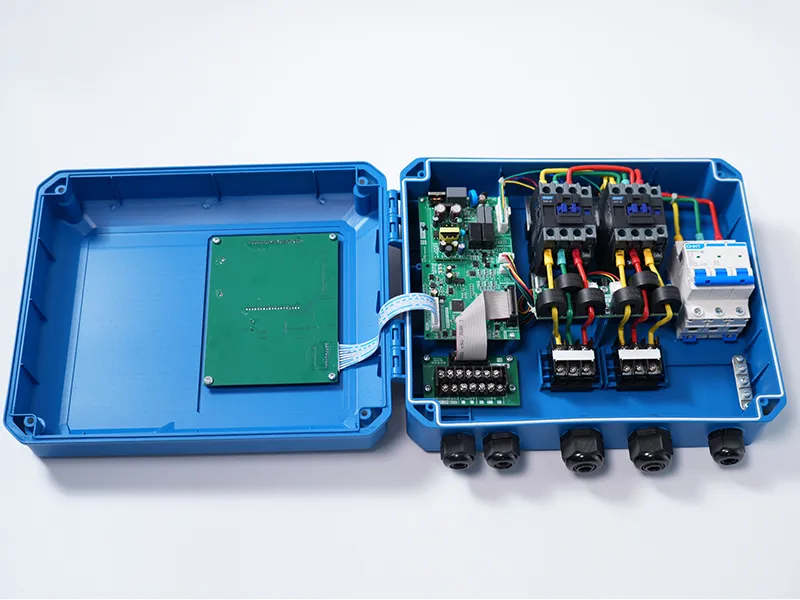
Traditional control cabinet designs are often limited by component size and compatibility, resulting in complex assembly, low space utilization, and difficulty adapting to different project requirements. The 3S PLC Pump Control Panel addresses this issue with a compact, modular structure that integrates the core control unit, interface modules, and protection components. It can easily fit into various control cabinets without complex modifications.
This approach not only saves internal space but also allows flexible component combinations and future expansion. Whether it’s simple control for a small pump unit or complex linkage for a large fire pump system, the modular 3S Pump Control Panel can quickly adapt. It streamlines the design process for panel assemblers and offers pump manufacturers flexible product customization, truly achieving “one core, multiple applications.”
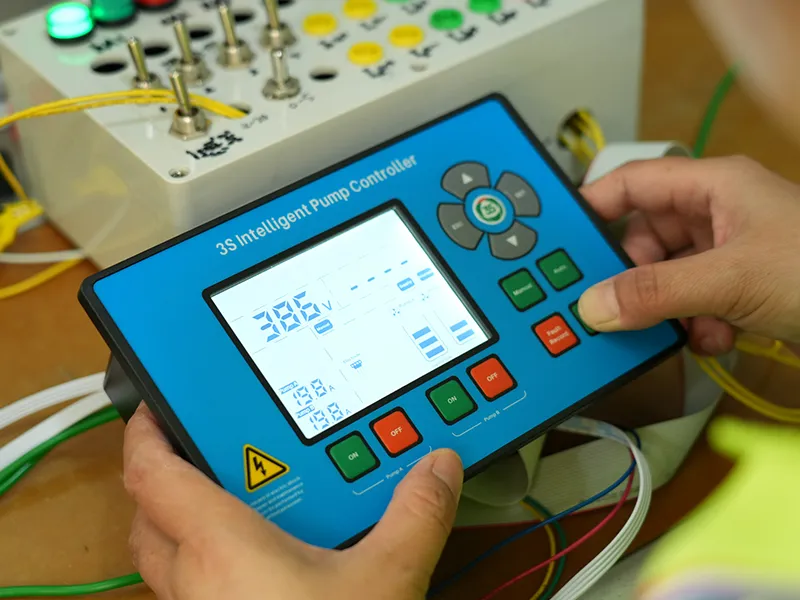
The 3S PLC Intelligent Pump Controller provides three main starting modes to meet different pump operating requirements. Direct-on-line (DOL) start is simple and cost-effective, suitable for small pumps with sufficient power supply. Star-delta start reduces inrush current, balancing startup performance and grid load, ideal for medium-power pump units. Soft start gradually increases voltage and torque via thyristor control, keeping startup current within approximately 2–4 times rated current, reducing mechanical and electrical stress—perfect for mid-to-high power motors (typically ≥7.5kW / 11kW) and applications requiring stable startup, such as fire and industrial water supply.
The Intelligent Pump Controller also supports RS485, Ethernet, 4G, and WiFi connectivity, covering both wired and wireless scenarios. Whether for local device networking, LAN-based centralized monitoring, or remote operations across regions, it ensures stable data transmission and command execution. This capability enables unattended pump rooms, allowing operators to monitor pump status, adjust parameters, and respond to emergencies via mobile apps or PC, reducing maintenance costs and improving management efficiency.
In industrial settings, pump control system reliability directly affects operational safety and continuity. Fire pumps and other critical equipment require especially high stability. The 3S PLC Pump Control Panel undergoes 11 strict tests, covering electrical performance, environmental adaptability, safety protection, and functional stability, ensuring a solid foundation of reliability.
The 3S PLC Intelligent Pump Controller is designed to meet the core needs of industry professionals:
For pump manufacturers: Modular design allows quick integration into existing products. Multiple startup modes suit different power pumps, enhancing product intelligence and market competitiveness.
For fire pump manufacturers: Strict quality control meets high reliability requirements. Remote connectivity supports smart fire systems for quick fault response.
For control panel assemblers: Simplified design reduces component compatibility issues, shortens assembly and commissioning cycles, and improves production efficiency.
For system integrators: Flexible adaptation to various project scenarios, easy multi-device networking, and intelligent management reduce integration complexity and maintenance costs.
From core components to complete solutions, the 3S PLC Pump Control Panel breaks traditional limitations, solving compatibility issues and improving efficiency, while injecting new power into the industry’s intelligent upgrade.
 English
 Español
 русский язык
 Français
 اللغة العربية