Unmanned Pump Control, Choose 3S


 Language
Language
Shanghai 3S Global Company Limited

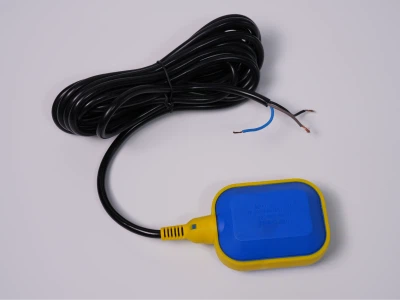
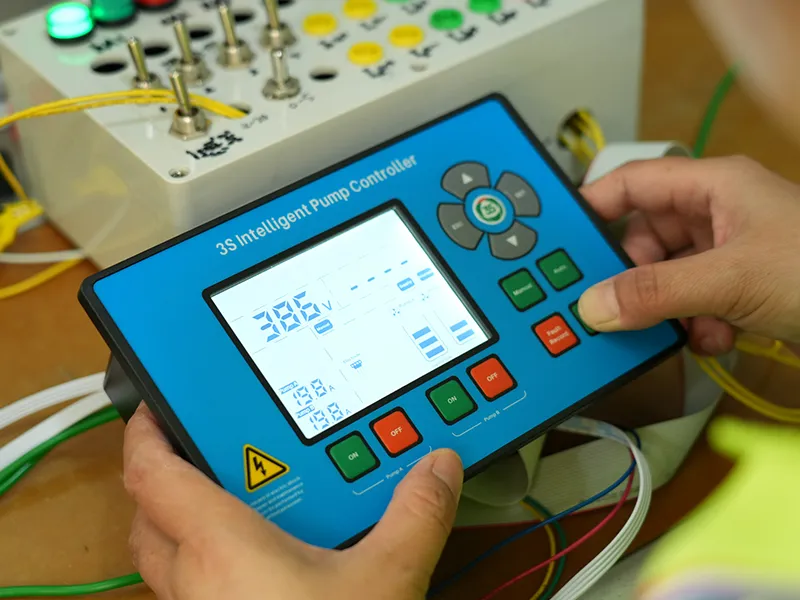
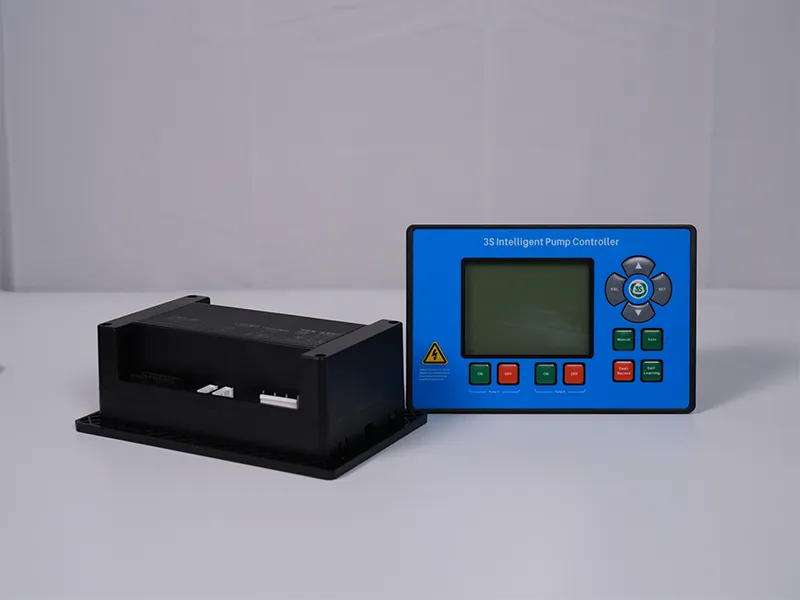
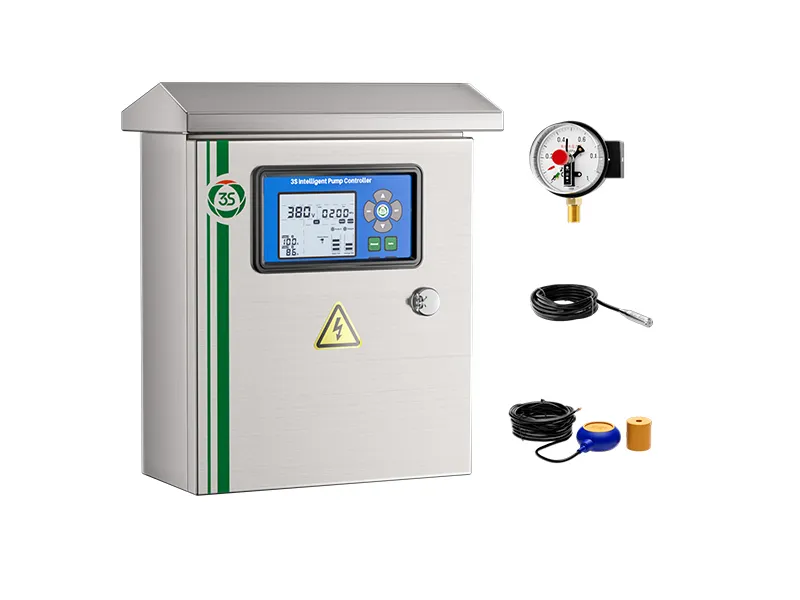
Wiring a float switch to the 3S Controller for drainage is designed to be user-friendly (though we always recommend following the controller's manual for safety). Here's the key logic:
1. Connect the float switch's power and signal wires to the designated terminals on the 3S Controller (labeled for easy identification).
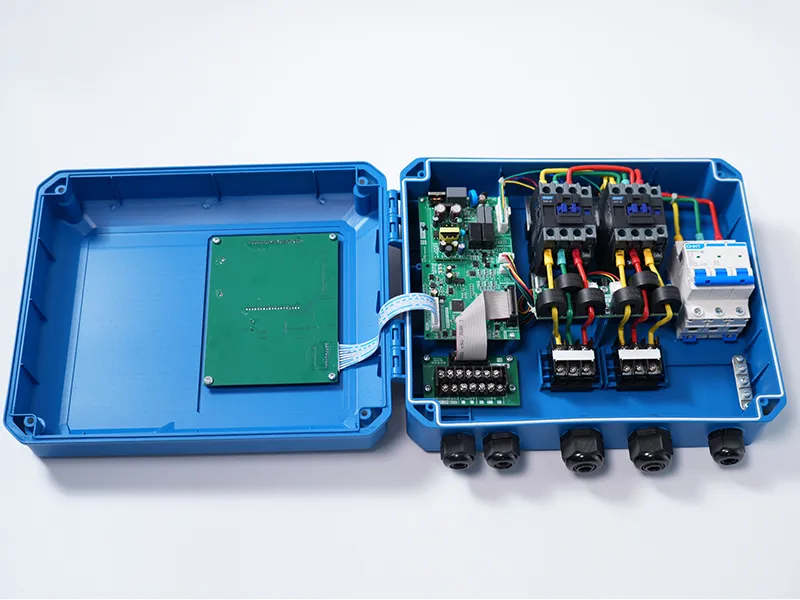
2. Wire the water pump(s) to the controller's output terminals-whether single or dual pumps, the controller accommodates both setups.
3. Set the high and low level thresholds via the controller's interface (some models offer adjustable dials or digital settings) to match your drainage needs (e.g., activating the pump when a sump pit fills to 80% capacity, shutting it off at 20%).
The 3S Controller's intuitive design ensures secure, error-proof wiring, so you can get your drainage system up and running quickly.
What makes the 3S Controller a game-changer? Its ability to "sense" liquid levels (via the float switch) and adapt pump operation for maximum efficiency:
Single-Pump Control:
Ideal for small to medium drainage needs (e.g., residential sump pumps). The controller receives signals from the float switch to turn the pump on/off based on preset levels, preventing overflow and dry running (which damages pumps).
Dual-Pump Control:
Perfect for high-volume or critical applications (e.g., commercial basements, industrial tanks). The controller alternates pump usage to evenly distribute wear, extending pump lifespan. If one pump fails, it automatically switches to the backup-eliminating downtime.
Overflow Alarm:
For added safety, the controller includes an overflow alarm function. If liquid levels exceed the high threshold (e.g., due to a clogged drain or pump malfunction), the controller triggers an audible/visual alarm, alerting you to potential issues before damage occurs.
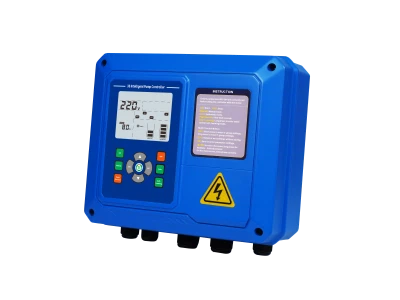
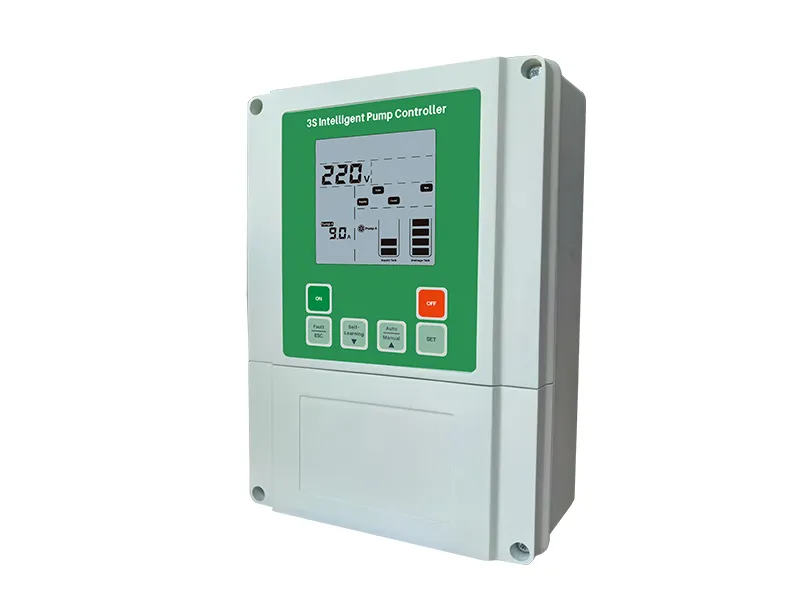
At 3S Global, our mission is to simplify water management while boosting safety and efficiency. The float switch + 3S Controller combo delivers on that promise by:
Enabling unmanned, automatic control: No need for constant monitoring-set it and forget it.
Reducing maintenance costs: Even pump wear, prevention of dry running, and backup capabilities minimize repairs and replacements.
Enhancing safety: Overflow alarms and reliable level control protect against water damage, mold growth, and equipment failure.
 English
 Español
 русский язык
 Français
 اللغة العربية