Unmanned Pump Control, Choose 3S


 Language
Language
Shanghai 3S Global Company Limited

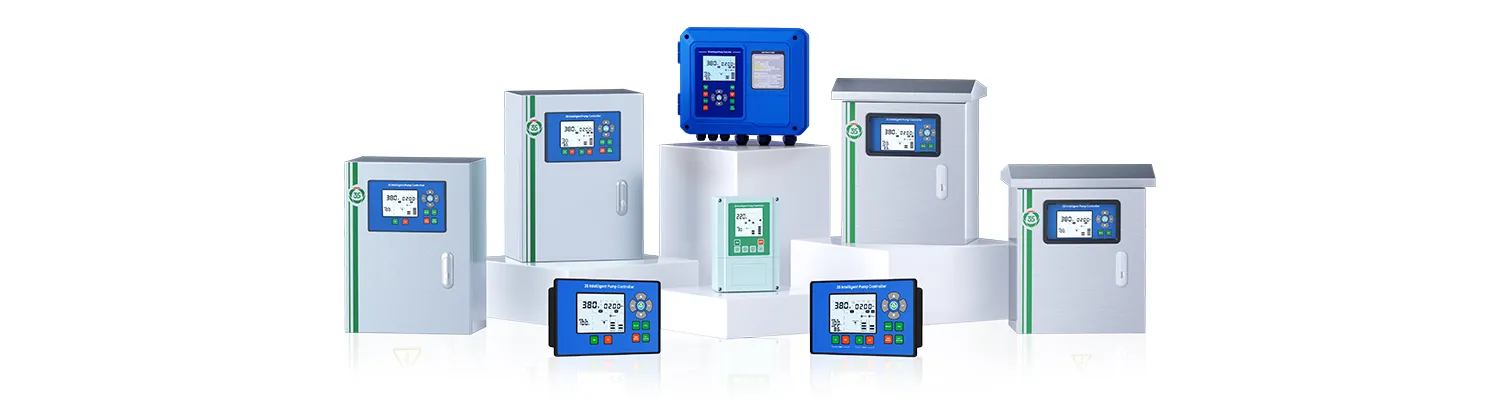
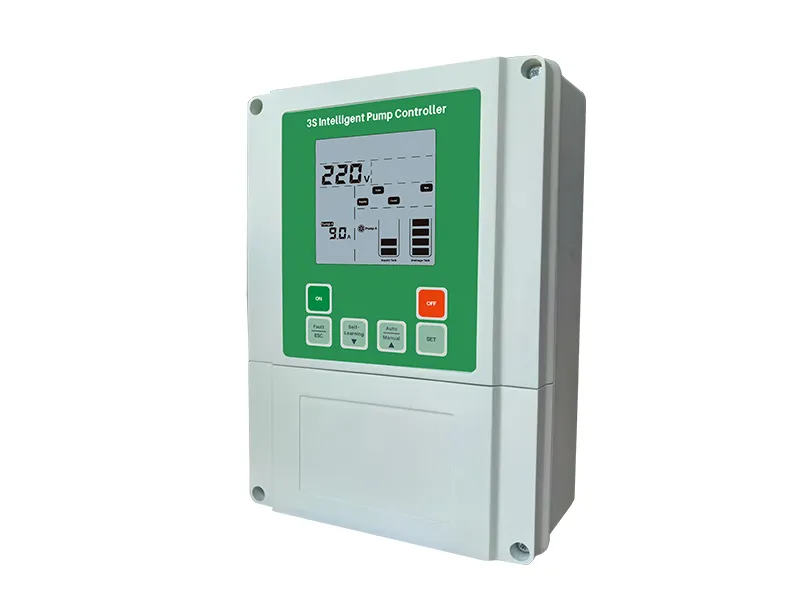
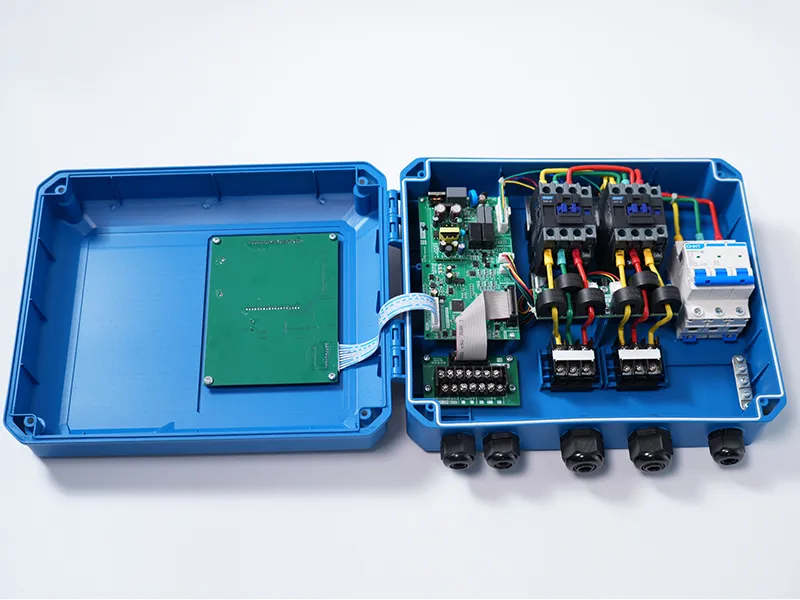
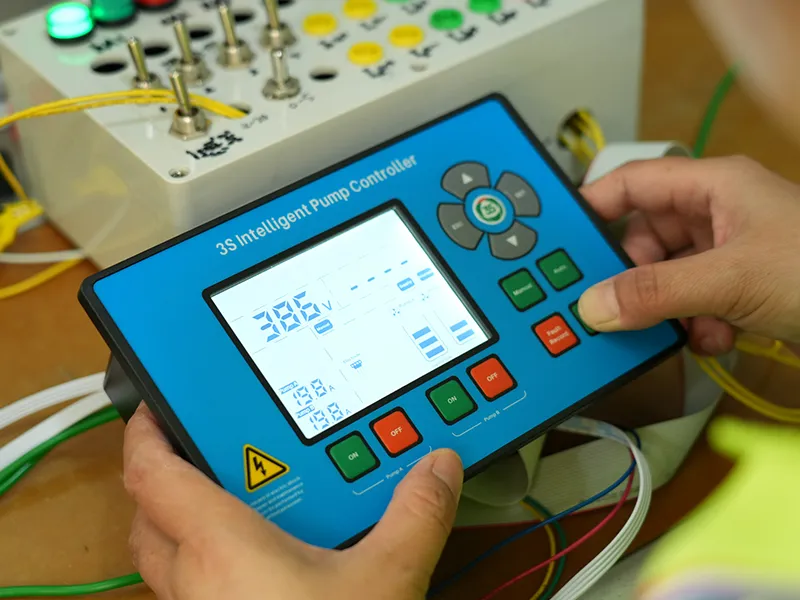
A controller is not just the “brain” of a pumping system — it is also the safety gatekeeper. By continuously monitoring motor operating conditions, it detects abnormalities at the earliest stage and initiates protective actions in time, preventing equipment damage and stopping faults from escalating. This is exactly why a Water Pump Starter plays such a critical role in ensuring the long-term, stable operation of water pump systems.
In this article, we will explore the seven fundamental protection functions of water pump controllers in three sections. By understanding the core purpose of each protection, users can make better decisions in both equipment selection and daily operation.
Abnormal current is one of the most common causes of motor failure. Current protection functions are designed to address overload, underload, and sudden current surges, helping a Water Pump Starter safeguard motor windings and electrical circuits.
1. Overload Protection
When a pump operates under excessive load — such as blocked pipelines or excessive head — the motor current remains above its rated value for an extended period. This leads to overheating, accelerated insulation aging, and eventually burned windings. A 3 Phase Pump Controller continuously monitors motor current and triggers shutdown or alarm when overload conditions exceed preset limits. Once the load returns to normal, the system can be reset manually or automatically, preventing long-term damage.
2. Underload (Dry Run) Protection
Also known as dry-run or no-load protection, this function addresses situations where the pump runs without sufficient water supply. During dry operation, motor load drops sharply and current falls below normal levels. Without water for lubrication and cooling, bearings and seals wear rapidly. A Water Pump Starter detects undercurrent conditions and immediately stops the pump, effectively preventing mechanical damage and extending service life.
3. Short-Circuit Protection
Short circuits are among the most dangerous electrical faults. They can occur due to aging cables, wiring errors, or internal motor faults, causing current to surge to several times the rated value within milliseconds. A 3 Phase Pump Controller responds instantly by cutting off power, preventing fire hazards, equipment destruction, and serious safety incidents.
Voltage instability is a common challenge in many regions. Long-term exposure to abnormal voltage can damage motors and electronic components. Voltage protection functions within a Water Pump Starter help counter these risks.
1. Undervoltage Protection
Low supply voltage reduces motor torque, making it difficult to drive the pump load. This often results in increased current and overheating. A 3 Phase Pump Controller monitors incoming voltage in real time and shuts down the system when voltage drops below safe limits, restarting only after power conditions stabilize.
2. Overvoltage Protection
Power surges caused by lightning strikes, transformer faults, or grid switching can instantly exceed equipment tolerance. Excessive voltage may break down motor insulation or destroy internal electronic components. Overvoltage protection in a Water Pump Starter disconnects power immediately, effectively shielding the system from sudden electrical shocks.
Three-phase pumps are widely used in high-power applications, where power supply stability is critical. A 3 Phase Pump Controller is specifically designed to manage risks associated with three-phase power systems.
1. Phase Loss Protection
If one phase is lost due to wiring faults or loose connections, the motor may continue running in a single-phase condition. This causes severe current imbalance and rapid overheating, often resulting in catastrophic motor failure. A Water Pump Starter detects phase loss instantly and stops operation to prevent irreversible damage.
2. Phase Sequence Protection
Incorrect phase sequence causes the motor to rotate in reverse, leading to reduced output, potential impeller damage, and abnormal pipeline pressure. A 3 Phase Pump Controller checks phase order before startup and blocks operation if the sequence is incorrect, prompting corrective wiring and ensuring safe, forward rotation.
These seven protection functions form the foundation of a reliable pump safety system. Together, they create a comprehensive protection network that shields pumps from electrical, mechanical, and operational risks. While different manufacturers may offer additional features such as leakage or thermal protection, choosing a Water Pump Starter with complete and stable protection functions is always a smart investment.
A high-quality controller significantly reduces failure rates, lowers maintenance costs, and extends the lifespan of pumps and motors — ensuring safe, continuous, and efficient operation for both industrial and civil water systems.
 English
 Español
 русский язык
 Français
 اللغة العربية