Unmanned Pump Control, Choose 3S


 Language
Language
Shanghai 3S Global Company Limited

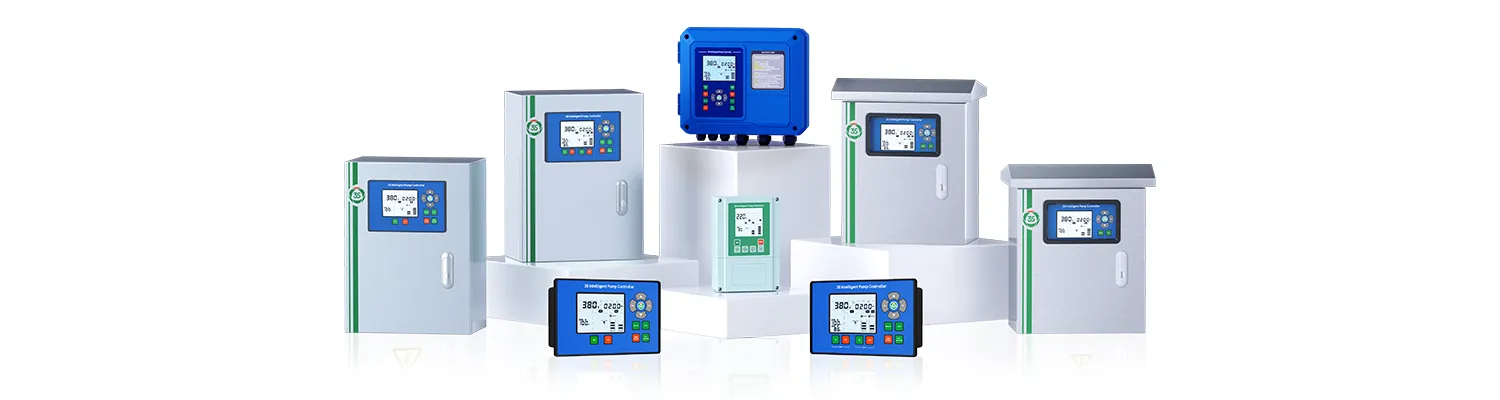
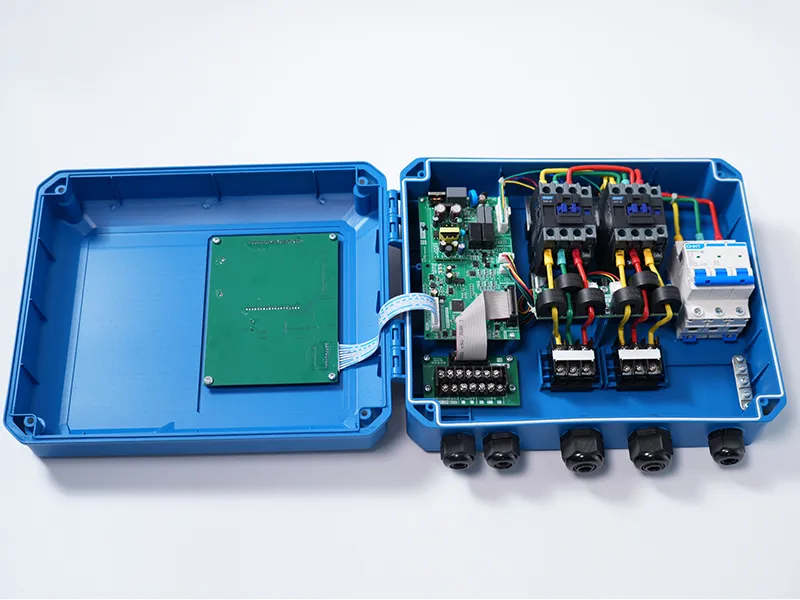
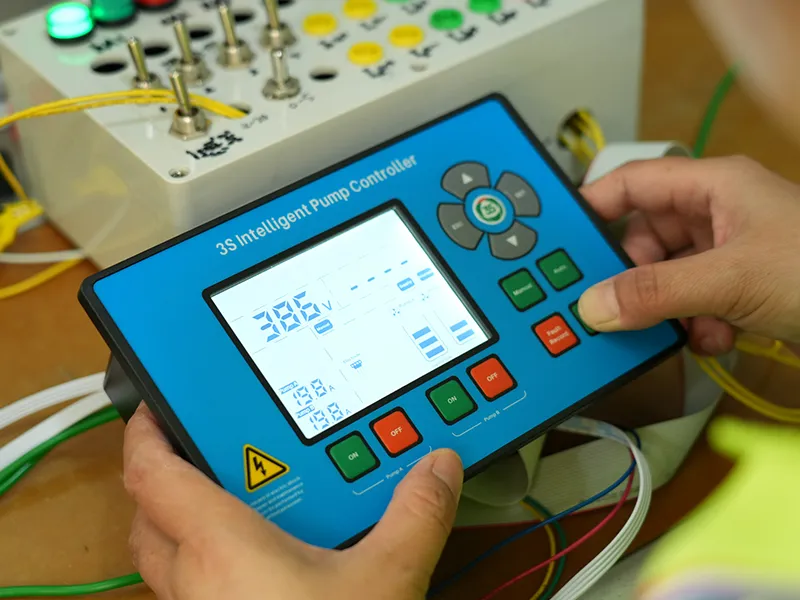
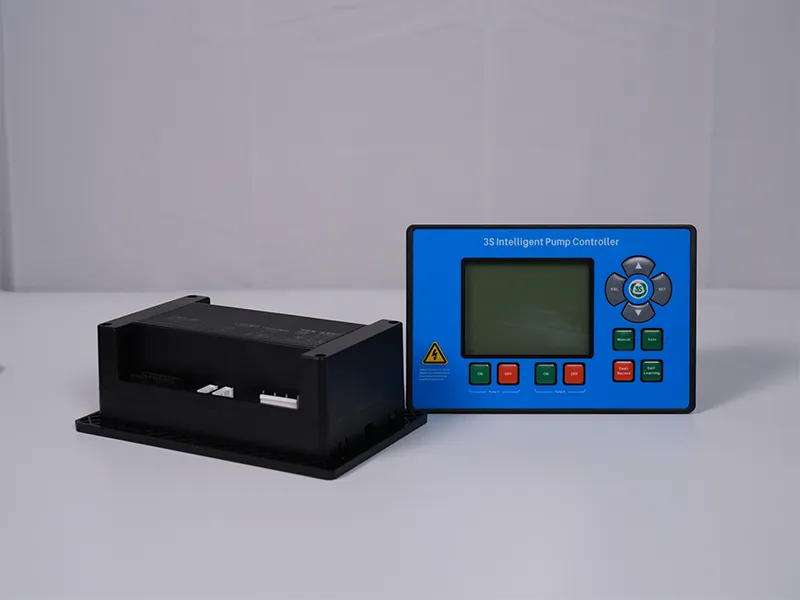
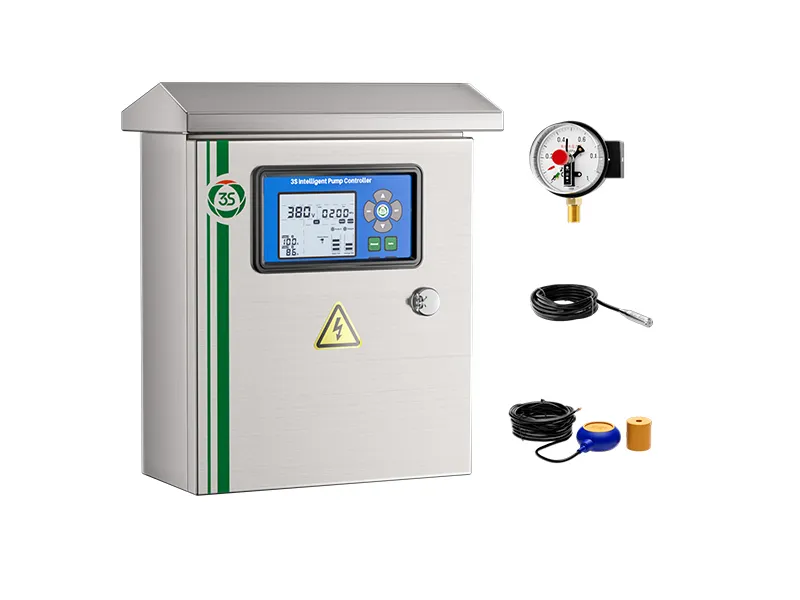
As the “brain” of drainage systems and industrial circulation systems, the Intelligent Pump Controller plays a decisive role in overall efficiency, service life, and maintenance cost. In real-world applications, failures are mainly concentrated in four dimensions: power supply, signal devices, parameter settings, and operating environment. If not identified and mitigated in time, these issues can cause false pump start/stop cycles, unstable operation, component damage, or even complete system shutdown of the Pump Control Panel.
The power supply is the foundation of stable operation for any Pump Control Panel. Its stability directly affects the working condition and longevity of core electronic components. Typical symptoms of power-related issues include difficult pump startup, abnormal indicator flashing, or, in severe cases, total shutdown of the Intelligent Pump Controller.
The main causes fall into three categories:
Abnormal voltage (overvoltage or undervoltage): Exceeding rated limits accelerates aging of capacitors and resistors, shortening the service life of the Pump Control Panel.
Short circuits: Often caused by damaged wiring or abnormal loads, which may instantly burn out the main control board.
Poor wiring connections: Loose terminals and high contact resistance lead to unstable power supply, resulting in intermittent pump stoppage or startup failure.
Recommendations: Install voltage monitoring devices, regularly inspect terminal tightness, and select power modules that match rated voltage to eliminate power risks at the source.
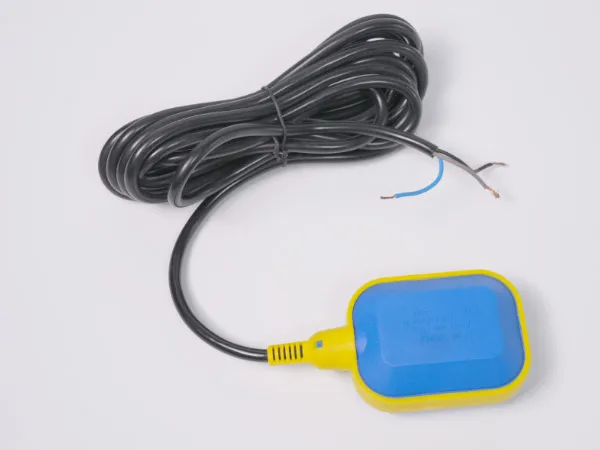
Signal devices such as pressure sensors and level transmitters act as the “sensory organs” of an Intelligent Pump Controller. Once they fail, control logic becomes chaotic, causing false start/stop actions, data drift, signal loss alarms, and serious reliability issues in the Pump Control Panel.
Common causes include:
Sensor scaling and fouling: Impurities and oil contamination reduce detection accuracy and transmit incorrect signals.
Electromagnetic interference: Radiation from inverters and relays disrupts signal transmission, triggering false alarms or abnormal shutdowns.
Cable aging: Insulation wear and conductor oxidation lead to signal attenuation or interruption.
Improper installation: Poor sensor placement or disorganized cable routing reduces accuracy and increases interference risks.
Countermeasures: Focus on cleaning, anti-interference design, and standardized installation. Clean sensors regularly, use shielded cables away from strong electromagnetic sources, and wire strictly according to installation manuals.
Parameter configuration is critical for adapting the Pump Control Panel to actual working conditions. In practice, many failures result from incorrect pressure differentials, level ranges, or current thresholds set without sufficient understanding of system demands.
Unreasonable settings can lead to:
Excessively narrow thresholds causing frequent pump start-stop cycles and accelerated mechanical wear.
Mismatch between parameters and actual conditions, resulting in unstable operation and insufficient flow or pressure.
Remote control malfunctions, increasing operational and maintenance costs of the Intelligent Pump Controller.
Optimization tips: Set parameters based on peak demand, medium characteristics, and pipeline pressure. Monitor performance during operation and fine-tune for smooth startup and shutdown. For complex systems, choose an Intelligent Pump Controller with automatic calibration to minimize human error.
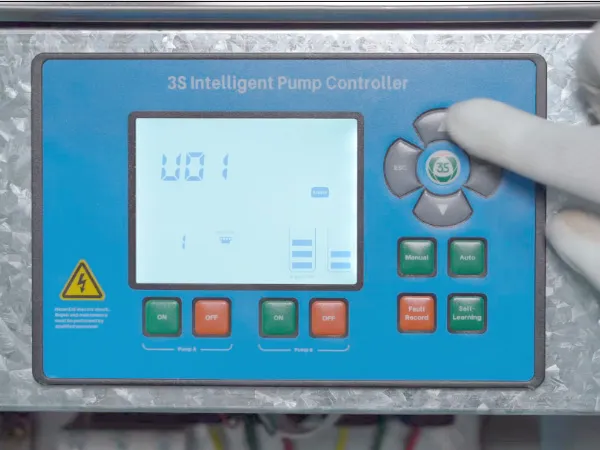
Pump controllers are often installed in basements or pump rooms where harsh conditions—heat, humidity, dust, and vibration—can cause irreversible damage and shorten the lifespan of the Pump Control Panel.
Key risks include:
High temperature and humidity: Accelerate electronic aging and increase the risk of short circuits and leakage, especially in underground pump rooms and rainy seasons.
Dust and oil contamination: Block ventilation paths, causing overheating and forced shutdown.
Vibration: Leads to loose terminals, detached wiring, and relay wear, reducing operational reliability of the Intelligent Pump Controller.
Environmental optimization: Install the Pump Control Panel in a dry, well-ventilated area away from vibration sources, use dustproof and moisture-resistant enclosures, clean regularly, and add anti-vibration mounts where necessary.
Stable operation relies on the coordination of four critical dimensions:
Stable power supply as the safety foundation
Accurate signals to ensure reliable control
Proper parameter settings to optimize operating logic
A suitable environment to enhance durability
Selecting high-quality equipment, combined with regular maintenance routines—cleaning, wiring inspection, parameter calibration, and aging checks—ensures long-term stability of both the Intelligent Pump Controller. Managing the entire lifecycle from selection and installation to configuration and maintenance is the most effective way to reduce failure risks and maximize system efficiency.
 English
 Español
 русский язык
 Français
 اللغة العربية