Unmanned Pump Control, Choose 3S


 Language
Language
Shanghai 3S Global Company Limited

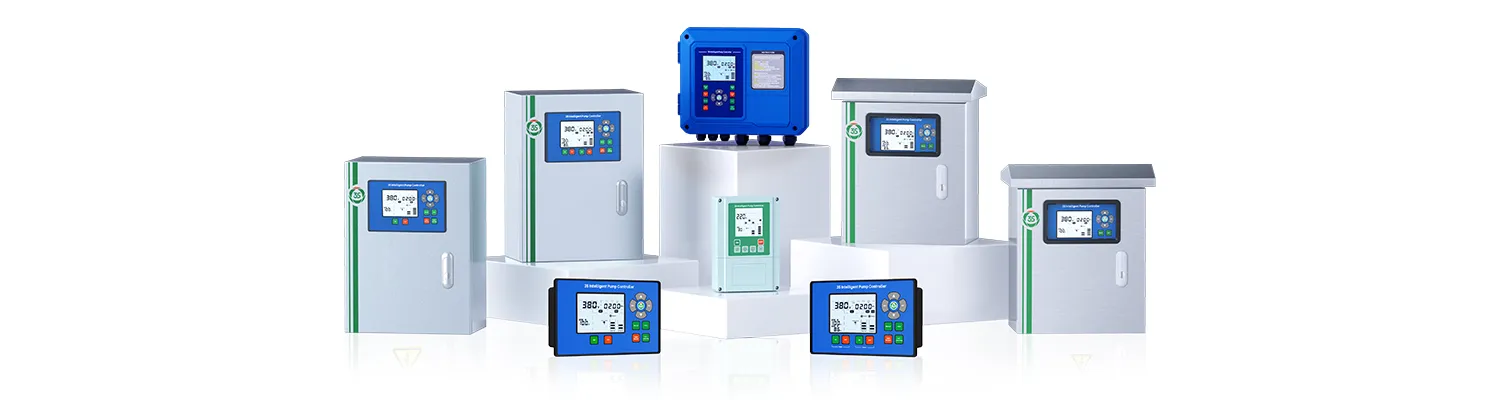
In industrial construction and O&M projects, selecting the right water pump controller directly impacts cost control, delivery efficiency, and long-term service quality. It is also a key factor for contractors looking to enhance overall project value.
Based on our experience across pump control projects, contractors frequently encounter four recurring selection issues, turning the pump control system into a “hidden profit drain.” This not only increases operational costs, but also affects customer experience and brand reputation.
Choosing the right controller is essential to reducing total lifecycle costs and improving delivery and service efficiency. Below are the four most common mistakes in water pump controller selection—and the smarter solutions that turn pump control into a value driver.
Many contractors prioritize price above all else, overlooking the importance of remote commissioning capabilities. As a result, the initial “cost advantage” is quickly offset by high post-installation expenses.
Traditional controllers lack remote operation features, requiring technicians to travel onsite for parameter configuration and system debugging. This leads to high labor and travel costs, delayed project timelines, and inefficient handovers.
Smart Solution:
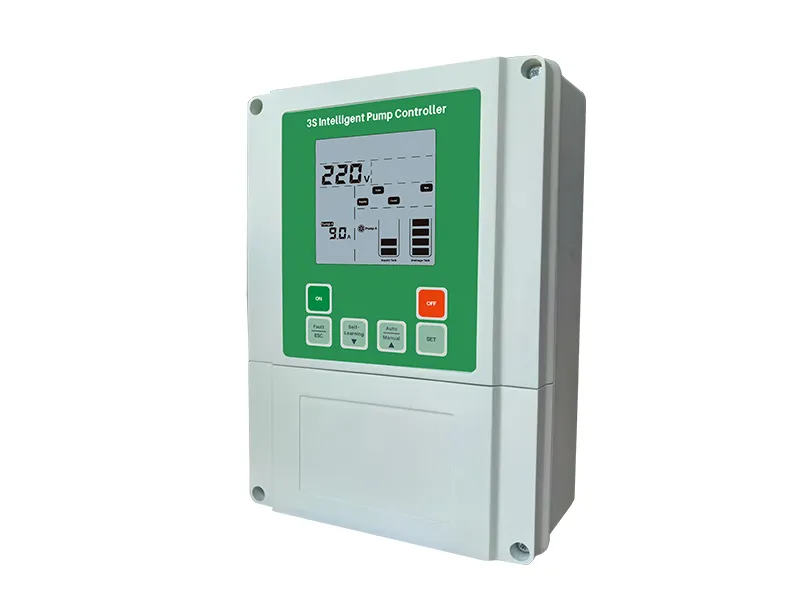
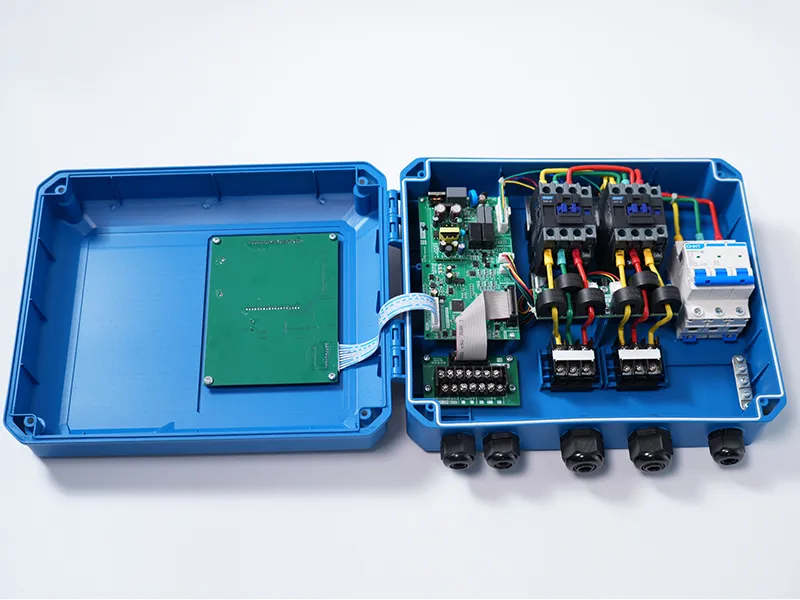
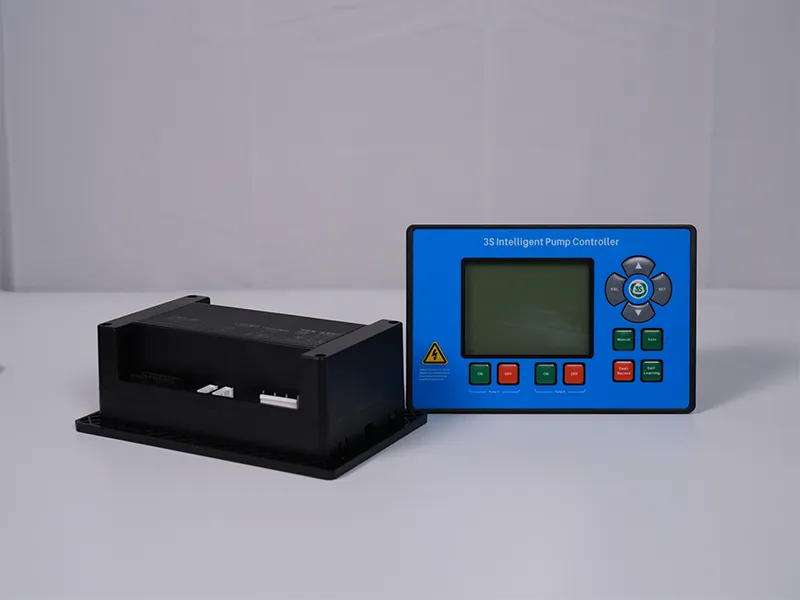
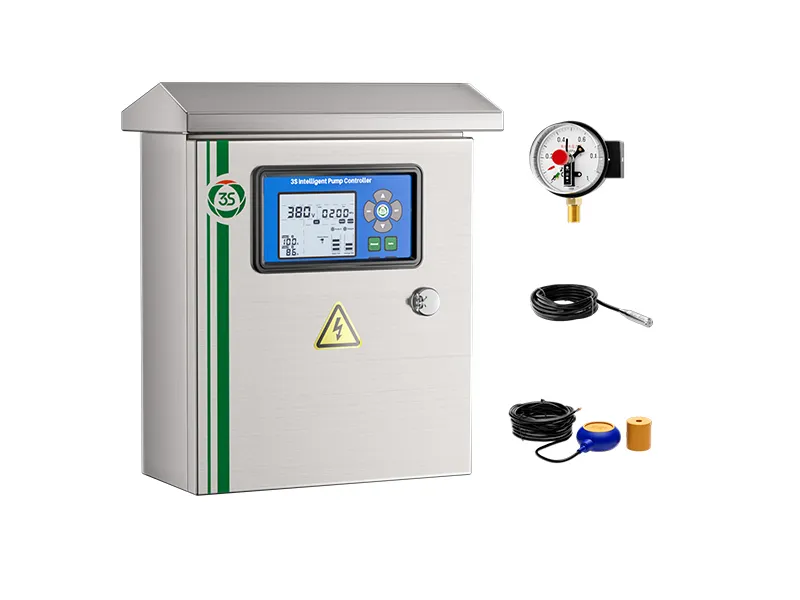
Choose a controller with remote commissioning, configuration, and monitoring capabilities—such as the 3S Unmanned Water Pump Starter. With remote access, technicians can complete full-system setup and management without being onsite, significantly reducing manpower and travel expenses while accelerating project delivery.
Fault response time directly impacts client satisfaction. Conventional pump control systems lack real-time fault detection and feedback mechanisms. When equipment fails, contractors must wait for onsite reports and manual inspections, resulting in extended downtime and reduced service efficiency.
This delay not only affects operations but also damages brand credibility.
Smart Solution:
Adopt advanced control solutions like the 3S Unmanned Water Pump Starter, which provides real-time alerts and remote troubleshooting support. Engineers can quickly diagnose and resolve issues without traveling to the site, minimizing downtime and significantly improving service responsiveness and customer satisfaction.
During project acceptance, providing complete operational data is essential. It demonstrates professionalism and ensures smooth approval and final payment settlement.
Traditional controllers often fail to record key operational data, making it difficult to generate compliant reports. Missing data can delay project acceptance and even cause disputes.
Smart Solution:
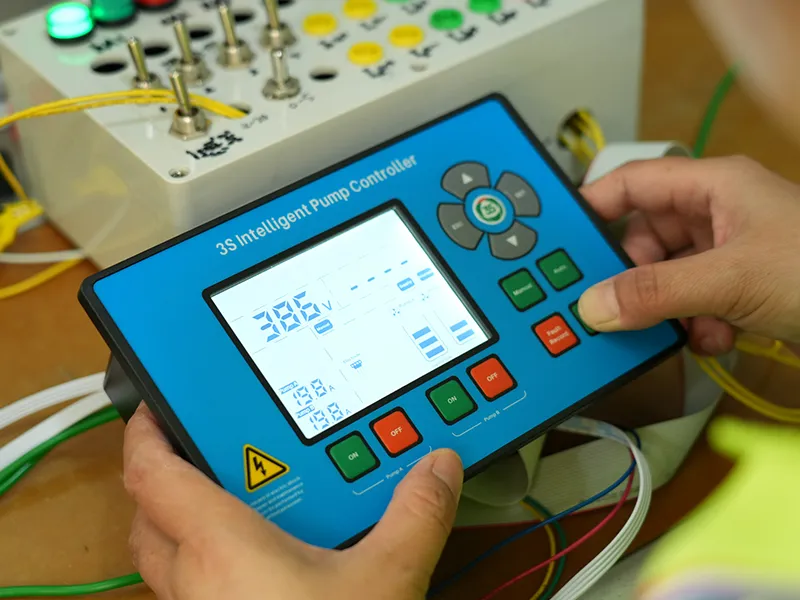
Select a data-driven controller such as the 3S Unmanned Water Pump Starter, which automatically records operation curves, performance metrics, and fault logs. Comprehensive data documentation ensures transparent, traceable project delivery and supports efficient acceptance processes.
Traditional maintenance models rely heavily on routine manual inspections. This approach is inefficient and prone to human error. Undetected issues can lead to sudden equipment failure, increased repair costs, and operational disruption for end users.
Unexpected downtime not only impacts production but also exposes contractors to financial losses and partnership risks.
Smart Solution:
Upgrade to intelligent systems like the 3S Unmanned Water Pump Starter, which enable remote parameter monitoring and predictive maintenance. By analyzing real-time operational data, potential faults can be identified early, allowing preventive intervention. Predictive maintenance significantly reduces failure rates, unexpected shutdowns, and long-term service costs.
Selecting a water pump controller is not just equipment procurement—it is a strategic decision that affects lifecycle cost, operational efficiency, and customer experience.
Relying solely on traditional solutions focused on low upfront cost often results in higher long-term expenses, lower efficiency, and greater operational risks.
By prioritizing remote commissioning, real-time fault response, data-driven delivery, and predictive maintenance—and by choosing advanced solutions like the 3S Unmanned Water Pump Starter—contractors can transform pump control from a cost burden into a profit generator.
Make the right choice. Control costs. Improve efficiency. Enhance service quality. Reduce risks.
With the right intelligent pump control solution, every project can achieve both stronger profitability and a more trusted brand reputation.
 English
 Español
 русский язык
 Français
 اللغة العربية