Unmanned Pump Control, Choose 3S


 Language
Language
Shanghai 3S Global Company Limited

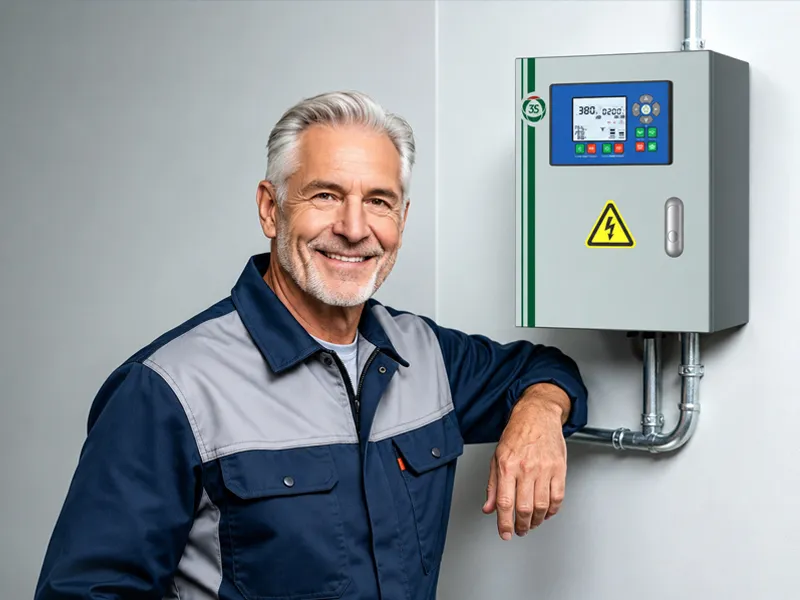
In water supply systems, agricultural irrigation, wastewater treatment facilities, and industrial circulation applications, water pumps play a critical role in ensuring stable and efficient operation. However, during daily operation, pumps may encounter issues such as startup failures, unstable performance, or frequent shutdowns caused by protection alarms.
Many users assume that a fault automatically means equipment damage. In reality, a large percentage of water pump problems can be resolved through systematic troubleshooting. Understanding the root causes of these issues not only helps minimize downtime but also reduces maintenance costs and extends equipment lifespan.
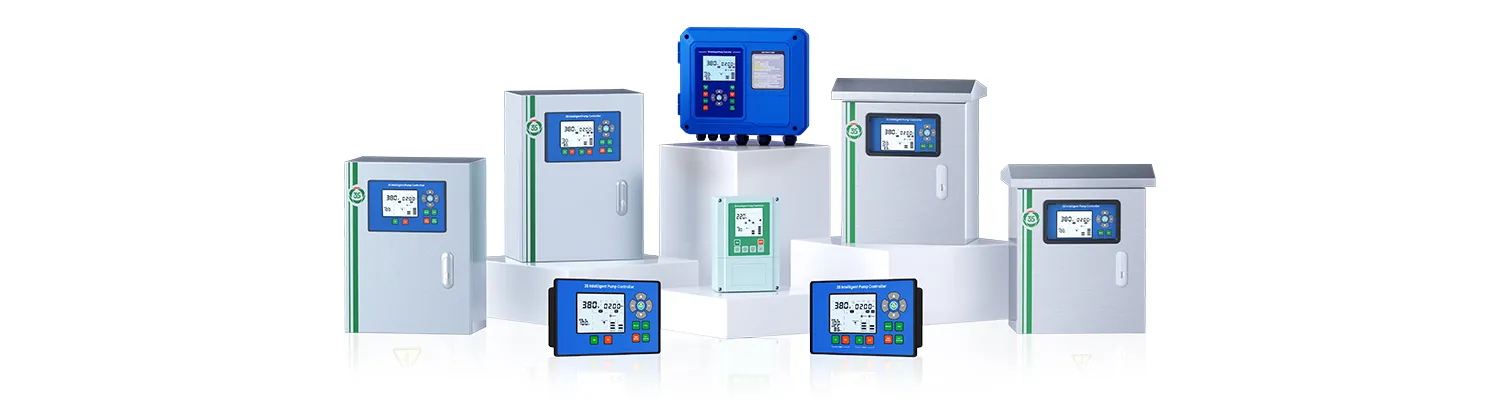
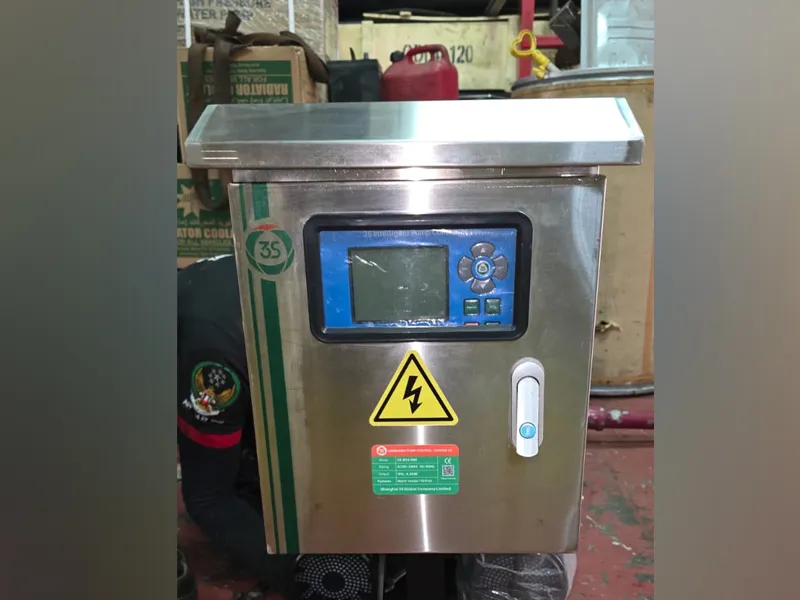
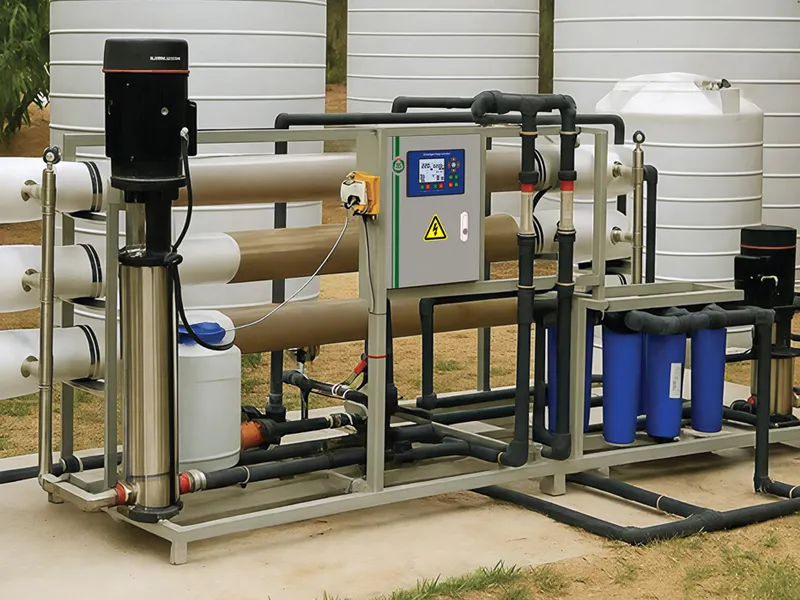
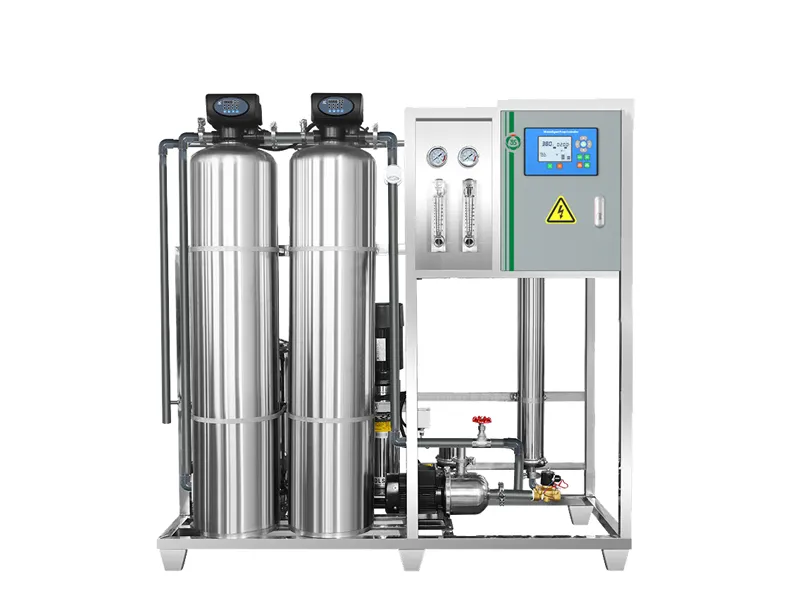
This article explores three of the most common water pump faults encountered in the field and provides practical solutions. It also highlights how a modern Water Pump Panel can help operators improve monitoring, protection, and overall system performance.
When a Water Pump Panel indicator remains off, the pump fails to start, or the entire system becomes unresponsive, the power supply is often the first area that should be investigated.
A stable electrical supply is essential for reliable pump operation. Undervoltage, overvoltage, or phase loss can prevent the control system from functioning properly. In three-phase installations, incorrect phase sequence wiring may even cause motor reverse rotation, preventing the pump from generating the required pressure.
Beyond power quality, aging cables, loose terminals, and damaged wiring are also common sources of startup problems. In many cases, a simple connection issue can disable an entire pumping system.
When troubleshooting startup failures, operators should first verify the incoming power supply, inspect electrical connections, and ensure that controller output parameters match the motor specifications. Following a structured inspection process can quickly reveal the source of the problem.
Some pumps start normally but later experience frequent shutdowns, pressure fluctuations, unstable flow rates, or unusual noise during operation.
These issues are often linked to the overall operating condition of the system.
As intelligent pump management becomes more common, many pumping stations now rely on pressure sensors, level sensors, and flow monitoring devices for automated control. If sensor signals become inaccurate or unstable, the Water Pump Panel may misinterpret operating conditions and activate unnecessary protection functions.
Mechanical factors should also not be overlooked. Worn impellers, clogged pipelines, damaged bearings, and foreign objects inside the pump can increase resistance and prevent the system from operating efficiently.
For this type of fault, both the monitoring system and mechanical components should be inspected. Operational data such as pressure and flow should also be analyzed to determine whether system settings align with actual field conditions. Long-term reliability can only be achieved when control logic matches real operating requirements.
In many projects, operators encounter recurring alarms, repeated overload trips, or unexpected pump shutdowns.
At first glance, these incidents may appear to be caused by a faulty protection device. In reality, protection systems are often doing exactly what they are designed to do—identifying potential risks before major equipment damage occurs.
One of the most common causes is excessive pump loading. Blocked filters, increased pipeline resistance, and worn mechanical components can all force the motor to operate above its normal load. As heat accumulates, overload protection functions are triggered to prevent damage.
Motor defects and unstable power supplies can also contribute to repeated protection events.
Rather than simply resetting alarms, maintenance personnel should investigate mechanical load conditions, motor health, and electrical supply quality to address the actual source of the issue.
As pumping networks continue to expand, traditional maintenance practices based solely on manual inspections are becoming increasingly inefficient.
For facilities operating multiple pump stations, it is often difficult for maintenance teams to monitor every system in real time. When faults occur, valuable time may be lost before personnel arrive on site.
As a result, more operators are adopting intelligent Water Pump Panel solutions to achieve remote monitoring and automated management.
By integrating real-time data collection and communication technologies, these systems allow operators to monitor equipment status, receive instant alarm notifications, and adjust operating parameters remotely. This significantly improves response times while reducing labor and maintenance costs.
For modern pumping stations, smart control technology is no longer just an upgrade—it is becoming an essential part of efficient and reliable operation.
Whether the issue involves startup failure, unstable operation, or repeated protection trips, most water pump faults can be traced back to identifiable causes. By implementing a structured troubleshooting process and utilizing intelligent monitoring technology, operators can significantly reduce downtime and improve system reliability.
As unmanned pump stations and remote management technologies continue to gain adoption, advanced Water Pump Panel solutions will play an increasingly important role in the future of water management. By combining protection, monitoring, automation, and remote control capabilities, they provide a smarter, safer, and more efficient approach to pump system operation.
 English
 Español
 русский язык
 Français
 اللغة العربية