Unmanned Pump Control, Choose 3S


 Language
Language
Shanghai 3S Global Company Limited

A pump controller is the "brain" of a pumping system, managing pump start/stop operations, equipment protection, and automatic control. Whether used in agricultural irrigation, water supply, wastewater treatment, or industrial water circulation, a reliable industrial pump starter has a direct impact on system efficiency, maintenance costs, and operational reliability.
Yet in practice, some pump controllers operate reliably for more than a decade, while others experience frequent failures after only a few years. So, what determines the service life of a industrial pump starter?
The answer goes beyond product quality alone. Installation conditions, operating practices, and routine maintenance all play critical roles. Understanding the following six factors can help maximize the lifespan of your pump controller, reduce unexpected failures, and lower long-term operating costs.
Many users focus on the number of features a controller offers while overlooking its overall reliability.
For pump systems that operate continuously, the quality of the internal components is often what determines long-term performance. Key factors include:
High-quality hardware reduces the risk of failures caused by component aging, excessive heat, or electrical stress, providing a solid foundation for long-term, reliable operation.
The installation environment has a significant impact on the lifespan of any electronic equipment.
Continuous exposure to the following conditions can accelerate component deterioration:
These factors can damage electronic components, PCB circuits, and terminal connections over time.
Therefore, select a controller with comprehensive electrical protection functions, such as:
Many controller failures are not caused by poor product quality but by unstable power conditions.
Common electrical issues include:
Over time, these conditions can damage sensitive electronic components.
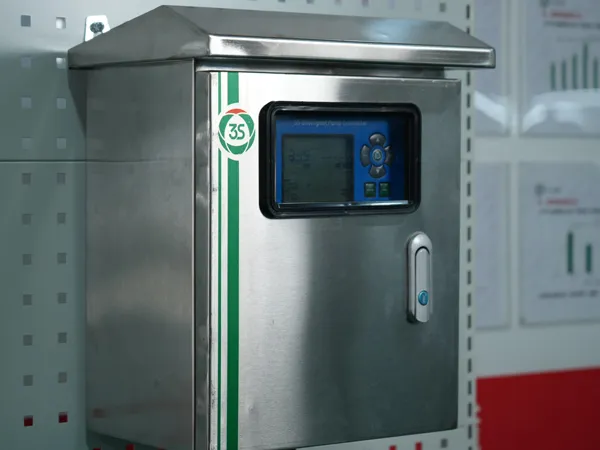
Choosing a industrial pump starter with comprehensive electrical protection features can significantly improve system reliability, including:
These functions help protect the industrial pump starter and connected equipment from abnormal power conditions.
Every pump start places stress not only on the motor but also on the controller's electrical components, such as relays and contactors.
Excessive start-stop cycles can result in:
Optimizing the control strategy can greatly reduce unnecessary starts. Features such as water level control, pressure control, start delay, and multi-pump alternation help minimize switching frequency, extending the service life of both the controller and the pump.
Even the most reliable industrial pump starter requires routine maintenance.
Regular inspections should include:
Preventive maintenance helps identify potential problems before they develop into costly system failures or unplanned downtime.
Modern industrial pump starters do much more than simply start and stop pumps—they also protect the entire pumping system.
Important protection features include:
These intelligent protection functions enable the controller to respond quickly to abnormal operating conditions, reducing equipment damage caused by human error or changing site conditions while extending the service life of both the controller and the pump system.
In real-world applications, the following issues are among the most common reasons for shortened controller lifespan:
Identifying and addressing these issues early is often far more cost-effective than repairing equipment after a failure occurs.
Extending the service life of a industrial pump starter requires more than simply purchasing a quality product. It depends on the combination of industrial-grade hardware, proper installation, effective electrical protection, optimized control strategies, and regular maintenance.
For water supply, irrigation, wastewater, and industrial pumping applications, a reliable pump controller not only automates pump operation but also protects equipment, minimizes downtime, and reduces total lifecycle maintenance costs.
Choosing a professionally engineered pump controller with comprehensive protection features and proven reliability is one of the most effective ways to ensure stable system performance and long-term operational success.
 English
 Español
 русский язык
 Français
 اللغة العربية