Unmanned Pump Control, Choose 3S


 Language
Shanghai 3S Global Company Limited

Water pump motor overheating is commonly associated with electrical faults, mechanical resistance, inadequate cooling, or improper operating conditions. If left unresolved, excessive heat can deteriorate winding insulation, shorten motor service life, and potentially cause motor failure and system downtime.
Identifying the underlying cause and taking corrective action are essential to maintaining reliable pump operation and reducing maintenance costs.
1. Motor Overload
When the actual load exceeds the motor's rated capacity, operating current may rise above its rated value, increasing winding temperature. Common causes include incorrect pump selection, operating outside the designed conditions, and excessive resistance in the impeller or pump shaft.
Solution:
Measure the operating current against the motor's rated current and inspect the pump's operating conditions and rotating components.
2. Abnormal Supply Voltage or Three-Phase Imbalance
Overvoltage, undervoltage, and three-phase voltage imbalance can cause abnormal motor current. Even relatively small voltage imbalances may result in significant current imbalance in three-phase motors, increasing winding temperature.
Solution:
Measure all three phase voltages at the motor terminals. Check the supply against the motor's rated requirements and inspect for voltage drops, loose connections, and power fluctuations.
3. Single-Phasing
Single-phasing occurs when one phase of the three-phase supply is interrupted due to a wiring fault, damaged cable, or faulty contactor. The remaining windings may experience excessive current, causing rapid overheating and potentially winding failure.
Solution:
Inspect the three-phase supply, cables, and contactor contacts. Ensure reliable connections and use a pump control system with phase-loss protection.
4. Insufficient Cooling or Heat Dissipation
When generated heat cannot be dissipated effectively, motor temperature rises. Common problems include damaged cooling fans, blocked ventilation passages, dust accumulation, restricted installation spaces, and high ambient temperatures.
For submersible motors, cooling water flow and required submergence conditions must also meet the manufacturer's specifications.
Solution:
Clean ventilation passages and motor surfaces, inspect the cooling system, and ensure adequate installation space and cooling conditions.
5. Bearing Wear or Mechanical Friction
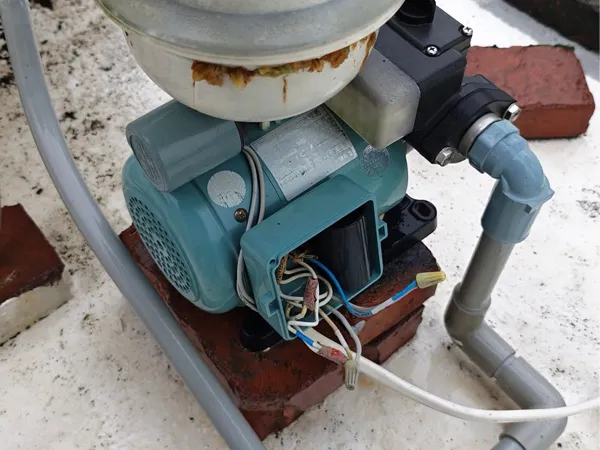
Insufficient bearing lubrication, wear, or improper installation increases rotational resistance and generates additional heat. A seized pump shaft or impeller can also increase motor load.
Solution:
Inspect bearing lubrication, abnormal noise, and vibration. Check that the shaft and impeller rotate freely, and repair or replace damaged components when necessary.
6. Winding Insulation Deterioration or Damage
Prolonged exposure to high temperatures, moisture, overload, and electrical stress can deteriorate winding insulation, potentially causing inter-turn short circuits or insulation-to-ground faults.
Solution:
Have qualified electrical personnel test the winding insulation using appropriate equipment and determine whether motor repair or replacement is necessary.
7. Frequent Starting and Stopping
Motor starting current is normally higher than running current. If the intervals between starts are too short or the starting frequency exceeds the motor's permitted limits, repeated thermal stress can cause excessive winding temperature.
Pressure fluctuations, pipeline leaks, unstable level signals, and incorrect control settings may contribute to frequent cycling.
Solution:
Inspect pressure switches, float switches, and level sensors. Check for pipeline leaks and adjust starting intervals and frequency according to the motor manufacturer's requirements.
When a motor shows abnormal temperature increases, use the following inspection points to narrow down the cause:
|
Inspection Item |
Key Checks |
|
Operating current |
Whether it exceeds the rated value and whether phase currents are balanced |
|
Supply voltage |
Whether it meets rated requirements and whether phase voltages are balanced |
|
Electrical connections |
Phase loss, loose wiring, or contactor faults |
|
Cooling conditions |
Fan, ventilation passages, and cooling system |
|
Mechanical condition |
Abnormal friction in bearings, shaft, or impeller |
|
Starting records |
Frequent starting and stopping within short intervals |
Note: A high motor housing temperature does not necessarily indicate a fault. Consider the motor's insulation class, permissible temperature rise, cooling method, and manufacturer's specifications. For three-phase motors, measure both phase voltage and current.
Effective prevention requires four essential measures:
1. Proper Equipment Selection: Match the pump and motor to the required flow rate, head, and operating conditions to avoid prolonged overload.
2. Power Supply Inspection: Maintain the specified supply voltage and regularly inspect cables, terminals, and contactors.
3. Routine Maintenance: Inspect bearings, cooling systems, and mechanical components. Address abnormal noise, vibration, and temperature increases promptly.
4. Appropriate Electrical Protection: Install suitable protection functions, including overload and phase-loss protection, to disconnect the motor circuit when abnormal operating conditions reach predefined thresholds.
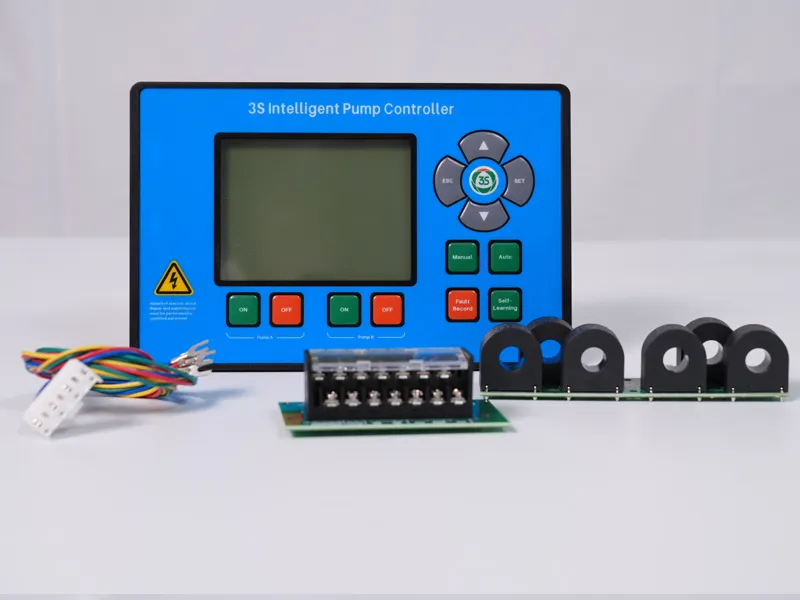
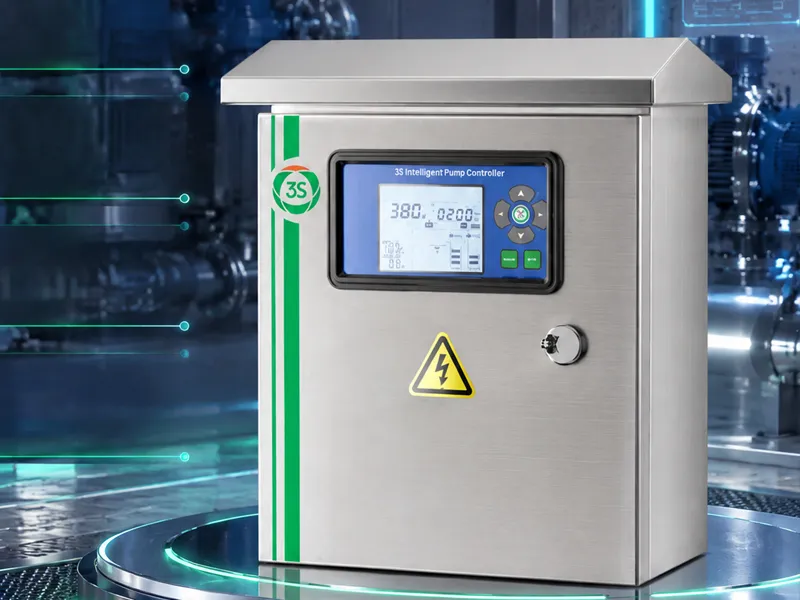
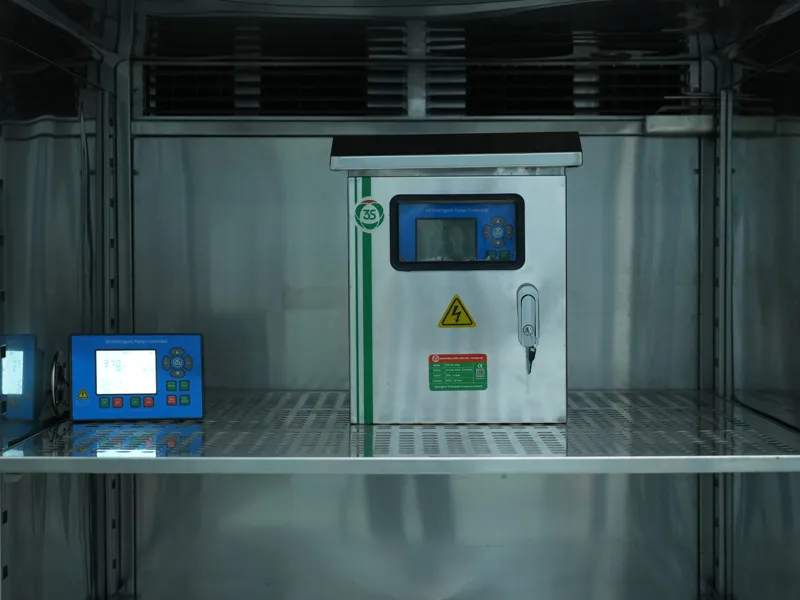
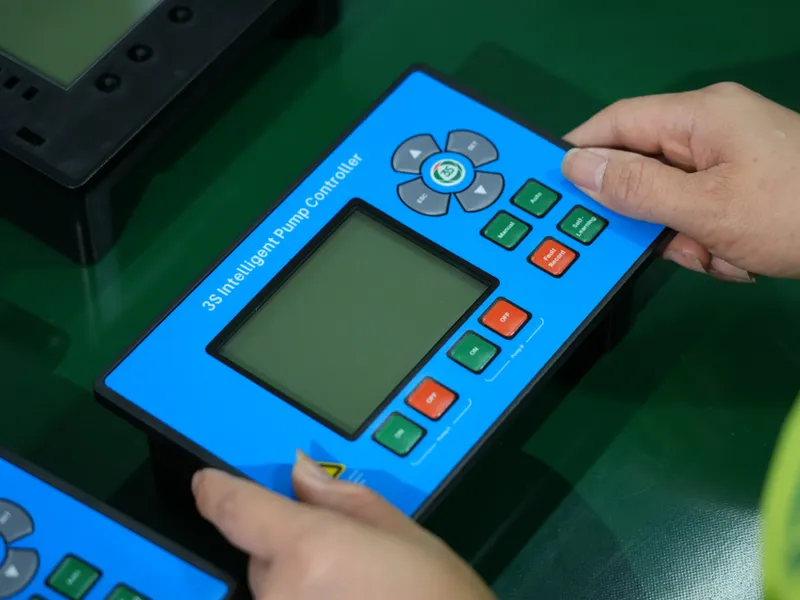
A water pump controller monitors motor operating conditions and helps identify electrical abnormalities such as overload and phase loss. When predefined protection conditions are met, it can disconnect the motor circuit.
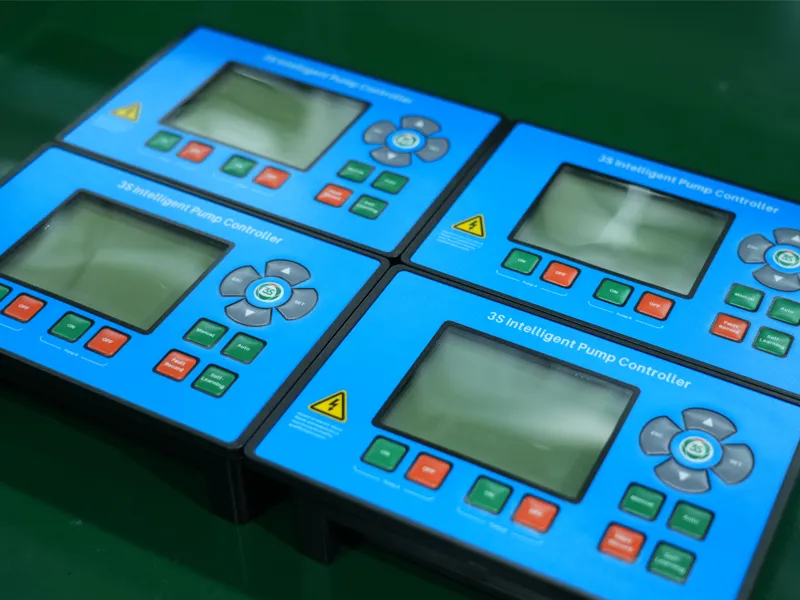
3S water pump controllers use DOL (Direct-On-Line) starting technology and provide 17 protection functions, supporting different pump operating modes and automatic control requirements. For water supply, pressure boosting, irrigation, and drainage applications, appropriate control and protection configurations help reduce the risk of equipment damage caused by electrical faults.
However, a controller cannot directly resolve every cause of motor overheating. Bearing wear, insufficient cooling, and winding insulation damage still require physical inspection and professional maintenance. Actual protection capabilities depend on the specific model and configuration.
Water pump motor overheating can result from overload, abnormal voltage, phase loss, insufficient cooling, mechanical friction, insulation damage, or frequent starting and stopping.
Accurate fault diagnosis, proper equipment selection, routine maintenance, and appropriate electrical protection help reduce motor damage, extend equipment service life, and minimize unexpected downtime and maintenance costs.
 English
 Español
 русский язык
 Français
 اللغة العربية