Unmanned Pump Control, Choose 3S


 Language
Language
Shanghai 3S Global Company Limited

With the rapid advancement of industrial automation and digital technologies, traditional pump control systems are no longer sufficient for modern demands. Common challenges include heavy reliance on manual operation, slow response times, lack of real-time monitoring, and limited fault warning capabilities.
In applications such as water treatment, agricultural irrigation, and industrial fluid handling, these limitations can directly impact efficiency and safety. This is where solutions like the IoT simplex dewatering pump control panel begin to play a crucial role, bridging the gap between conventional systems and intelligent control.
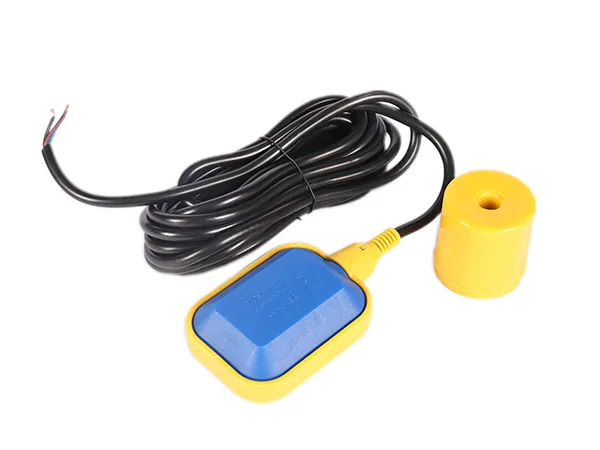
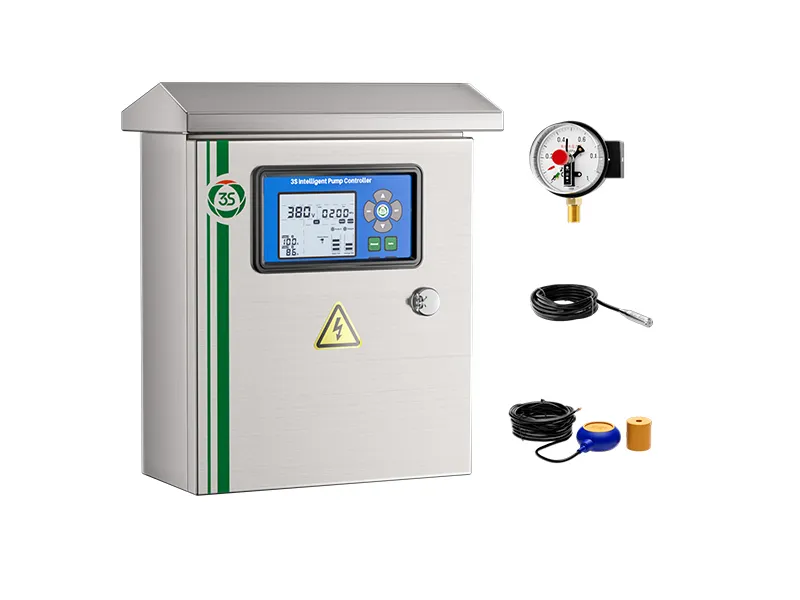
A typical pump control system consists of three main parts:
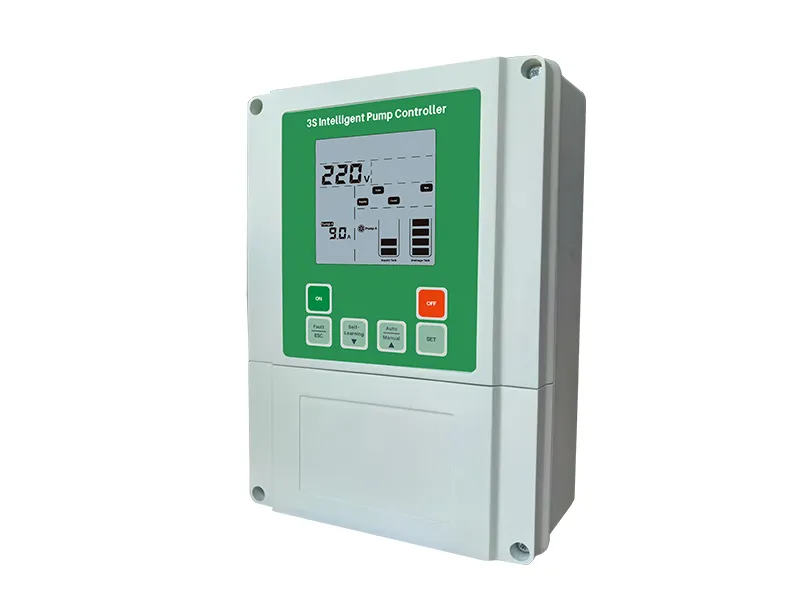
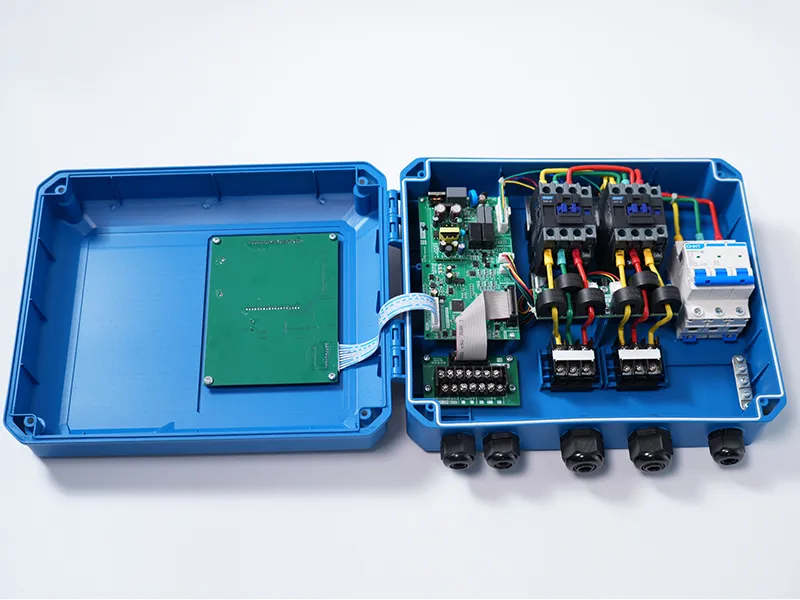
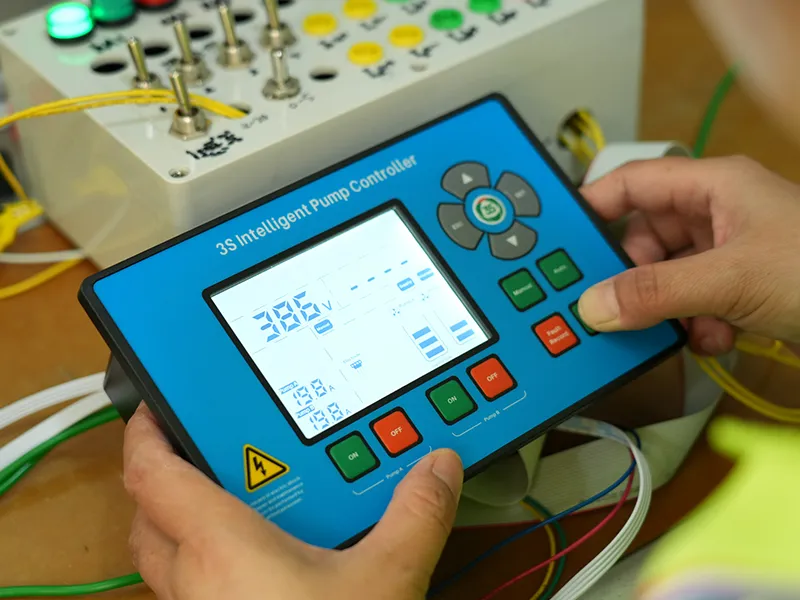
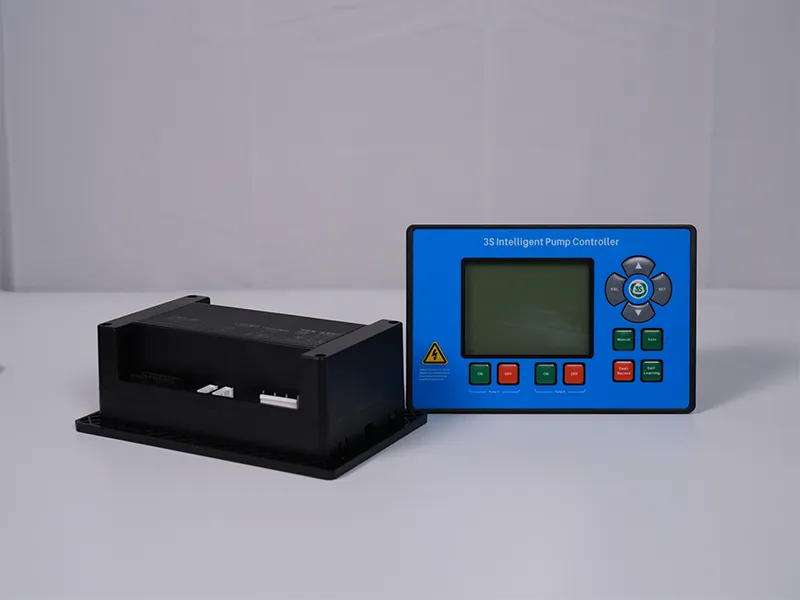
Pump controller: the core logic unit
Signal devices: sensors for level, pressure, and flow
Actuators: responsible for execution (start/stop or adjustment)
In an upgraded architecture, these components are interconnected through communication technologies, allowing systems such as the IoT simplex dewatering pump control panel to enable seamless data exchange and smarter operational decisions.
A smart pump control system integrates WiFi communication and Internet of Things (IoT) technologies into traditional control frameworks, delivering automation and remote management capabilities.
By collecting real-time data from multiple sensors and applying intelligent control logic, systems like the IoT simplex dewatering pump control panel can dynamically adjust pump operations for optimal performance and efficiency.
1. Automation for Unattended Operation
Smart systems automatically start, stop, or adjust pump performance based on real-time conditions, significantly reducing the need for manual intervention.
2. Remote Monitoring for Greater Flexibility
With WiFi connectivity, users can monitor and control pump systems anytime, anywhere via smartphones or computers. The IoT simplex dewatering pump control panel enhances this capability by offering reliable remote access and control.
3. Fault Warning to Minimize Downtime
Real-time monitoring of key parameters enables early detection of issues such as dry running or overload. Advanced systems provide instant alerts to prevent costly failures.
IoT and WiFi technologies are the backbone of intelligent pump systems:
Real-time data sharing for transparent operations
Smart adjustments based on live data
Coordinated control across multiple pumps
By leveraging these technologies, the IoT simplex dewatering pump control panel enables smarter, more connected pump management with improved efficiency and reliability.
Improved operational efficiency and energy savings
Reduced labor and maintenance costs
Enhanced safety and system reliability
Convenient remote and digital management
These advantages make intelligent pump control solutions ideal for municipal water supply, wastewater treatment, and industrial circulation systems.
As technology continues to evolve, smart pump control systems will integrate cloud platforms, big data analytics, and artificial intelligence to enable predictive maintenance and intelligent scheduling.
The IoT simplex dewatering pump control panel represents a key step toward this future—where pump systems are not just controlled, but intelligently managed and optimized.
By combining traditional pump control systems with IoT and WiFi technologies, pump management is entering a new era of intelligence and automation. Solutions like the IoT simplex dewatering pump control panel deliver higher efficiency, improved reliability, and lower operational costs.
 English
 Español
 русский язык
 Français
 اللغة العربية