Unmanned Pump Control, Choose 3S


 Language
Language
Shanghai 3S Global Company Limited

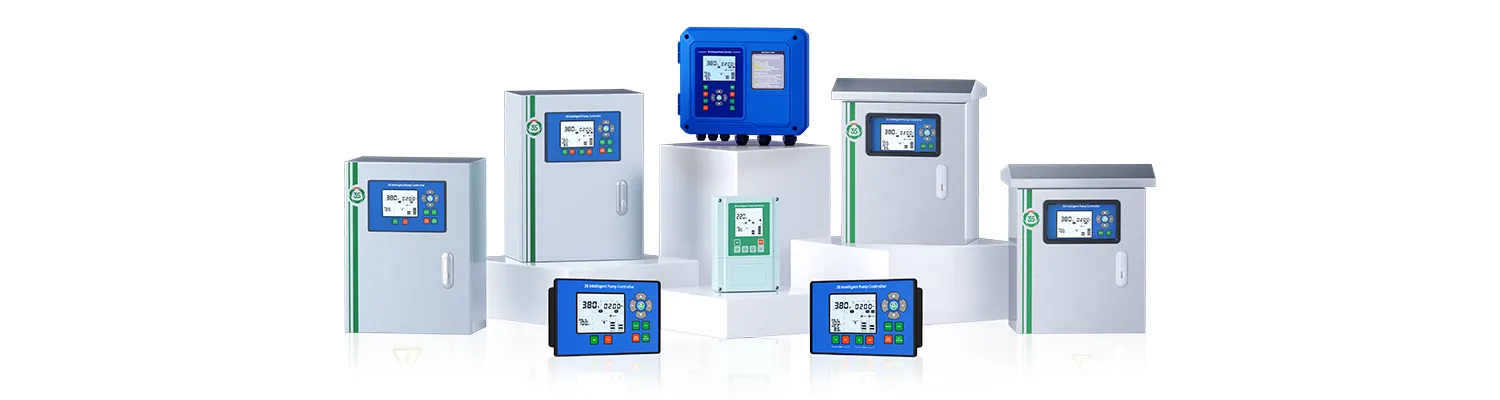
In today's rapidly evolving world of industrial automation and smart fluid management, the pump controller has become the "brain" of the entire pumping system. Its performance directly impacts operational efficiency, maintenance costs, system reliability, and overall project profitability.
However, when selecting a pump control solution, many users focus on power ratings and protection functions while overlooking one critical factor: compatibility.
A highly compatible Intelligent Digital Pump Controller can work seamlessly with different pump brands, pump types, voltage standards, and signal interfaces. This not only simplifies system integration but also reduces engineering challenges, improves scalability, and maximizes long-term return on investment.
So, what are the real advantages of a highly compatible pump controller? And how can it help reduce Total Cost of Ownership (TCO) while improving Return on Investment (ROI)?
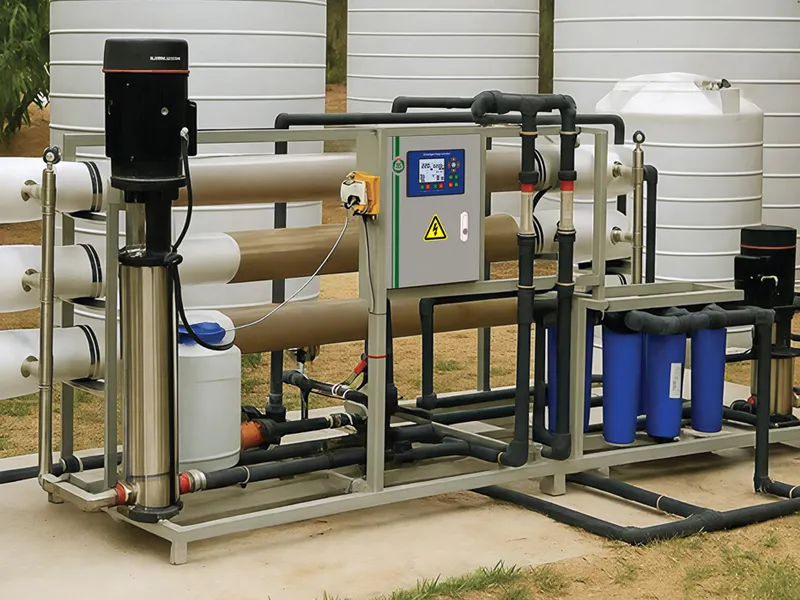
In real-world projects, pump systems rarely consist of a single pump type. Engineers often need to integrate centrifugal pumps, screw pumps, diaphragm pumps, booster pumps, and other equipment within the same facility.
Each pump may require different control logic and communication methods. If the controller lacks compatibility, every equipment upgrade, expansion, or replacement can trigger costly redesigns, rewiring, and commissioning work.
This is where an Intelligent Digital Pump Controller becomes a valuable asset.
A highly compatible controller can:
Key Takeaway:
A highly compatible controller makes system integration easier, project expansion more flexible, and long-term operations more efficient.
Different industries have vastly different operational requirements. Whether it is municipal water supply, wastewater treatment, industrial processing, mining operations, or agricultural irrigation, the controller must perform reliably under varying electrical, environmental, and communication conditions.
A modern Intelligent Digital Pump Controller should be designed to handle these challenges without requiring additional hardware modifications.
Using the 3S controller as an example, its compatibility advantages are reflected in four key areas.
1. Wide Voltage Input Range
Electrical and signal compatibility varies by product series and configuration. The 3S single-phase 4 kW controller series supports an input voltage range of AC 110–250 V, while all 3S three-phase controller series support AC 220–490 V.
This broad voltage range allows the controller to operate across different power infrastructures worldwide. Whether the local grid uses 110V, 220V, 380V, 440V, or other common industrial voltages, the 3S controller can adapt directly without requiring external voltage conversion equipment.
2. Multiple Signal Interface Support
All 3S controller series, except the 3S-A11-022 series, support:
This ensures that the controller can seamlessly connect with various sensors, transmitters, and higher-level automation systems.
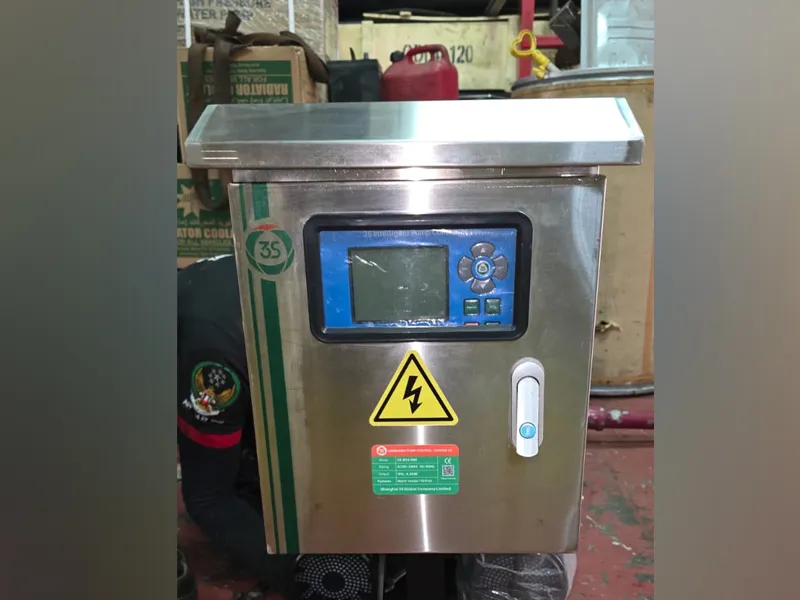
3. IP65 Protection Rating
An IP65 protection rating signifies that the controller is effectively dustproof and waterproof, enabling it to operate stably over the long term—even in dusty workshops or humid pump room environments.
4. Wide Operating Temperature Range(-20°C to 70°C)
All 3S controllers are designed for stable operation at ambient temperatures from −20°C to +55°C. Under specified test conditions, the controllers can withstand short-term exposure to temperatures up to +70°C.
Whether operating in freezing northern winters or hot southern summers, the controller maintains stable and reliable performance.
Value: Enhanced environmental adaptability reduces failures caused by voltage fluctuations, signal incompatibility, and harsh conditions, improving system reliability and overall project competitiveness.
Installation and maintenance costs often represent a significant portion of a pump system's lifetime expenses. Controllers with limited compatibility frequently require extensive manual configuration and specialized technical support.
A modern Intelligent Digital Pump Controller addresses these challenges through smarter design.
1. Unified Configuration Logic
Regardless of the specific water pump being adapted, the controller commissioning process remains consistent. This significantly reduces training costs and enhances the operational efficiency of maintenance and operations personnel.
2. Plug-and-Play Capability
The controller can automatically identify connected devices, reducing manual configuration steps and accelerating project deployment.
3. User-Friendly Interface and Guided Setup
A graphical user interface (GUI) with a setup wizard makes parameter configuration simple and intuitive, enabling quick commissioning without specialized engineering expertise.
By streamlining installation and maintenance, a high-compatibility controller significantly reduces the total cost of ownership (TCO), including setup, commissioning, maintenance, and downtime costs.
For modern industrial projects, the lowest purchase price does not always result in the lowest overall cost. Long-term profitability depends on system flexibility, reliability, energy efficiency, and ease of maintenance.
A highly compatible Intelligent Digital Pump Controller helps maximize ROI by:
As industrial automation, smart water management, and remote monitoring technologies continue to evolve, compatibility will become a defining factor in pump control system design.
The future belongs to intelligent, flexible, and highly adaptable solutions—and the Intelligent Digital Pump Controller is rapidly becoming the new standard for pump manufacturers, system integrators, contractors, and end users worldwide.

 English
 Español
 русский язык
 Français
 اللغة العربية