Unmanned Pump Control, Choose 3S


 Language
Shanghai 3S Global Company Limited

Liquid level detection is essential for automatic water pump control. The choice of sensing device affects how accurately a system responds to changing water levels and how reliably the pump starts and stops. Float switches and level electrodes are two common options, each with different operating principles and application requirements. Understanding their differences helps users select the right solution for their pump control system.
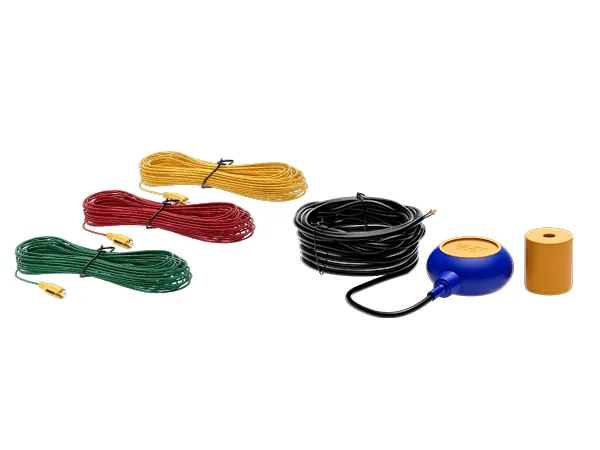
A float switch and a level electrode both detect liquid levels and help control pump operation, but they work in different ways.
A float switch uses the movement of a float to trigger a mechanical or magnetic switching mechanism, while a level electrode detects liquid contact through electrical conductivity. Float switches are commonly used for straightforward point-level detection, whereas electrode systems can detect multiple preset levels when configured with suitable electrodes and a compatible level controller.
|
Comparison |
Float Switch |
Level Electrode |
|
Working principle |
Float movemen |
Electrical conductivity |
|
Installation |
Requires space for float movement |
Requires electrode probes and wiring |
|
Liquid compatibility |
Depends on float material and liquid conditions |
Requires sufficient liquid conductivit |
|
Typical applications |
Water tanks, sumps and drainage |
Conductive liquids with multiple preset detection levels |
Selecting a suitable level detection method requires consideration of liquid properties, control requirements, and installation conditions.
Liquid properties: Float switches depend on suitable float materials and operating conditions, while electrode systems require sufficient liquid conductivity.
Control requirements: For straightforward level-based pump start/stop control, a float switch may be sufficient. When multiple preset detection levels are needed, an electrode system with a compatible controller may be suitable.
Installation conditions: Consider available space, mounting arrangements, potential fouling, and maintenance requirements.
Controller compatibility: Confirm that the waterpump control supports the selected sensor type and its electrical interface.
The best choice is the method that meets the actual operating requirements and works reliably with the pump control system.
Float switches detect liquid levels through physical movement, while level electrodes rely on electrical conductivity. Understanding their differences and evaluating actual application requirements helps users select a suitable level detection method.
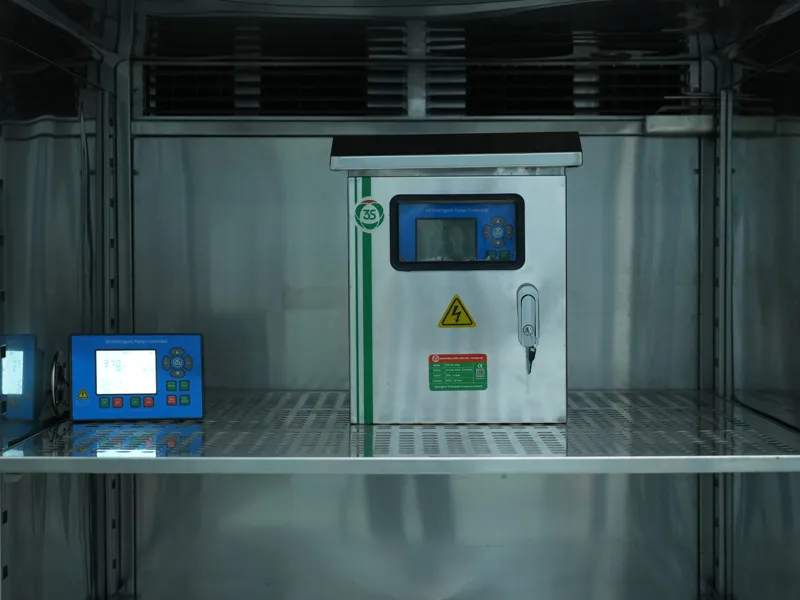
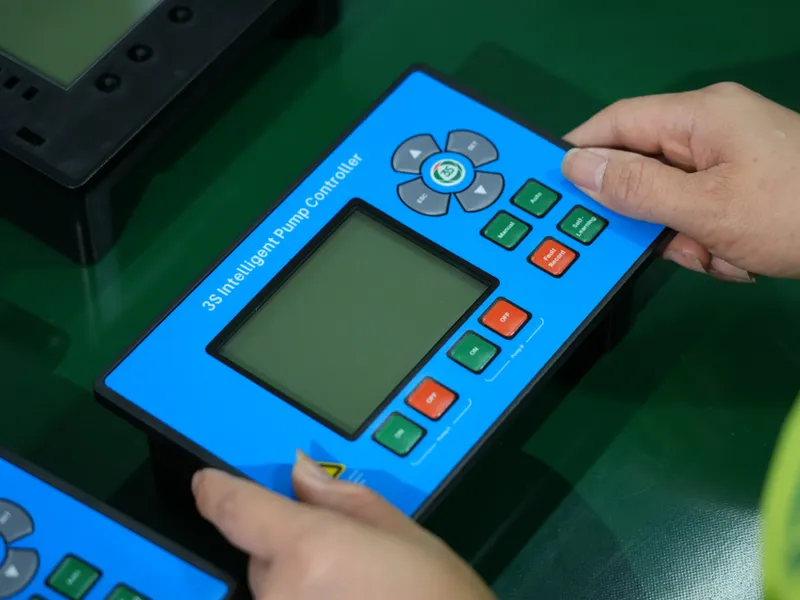
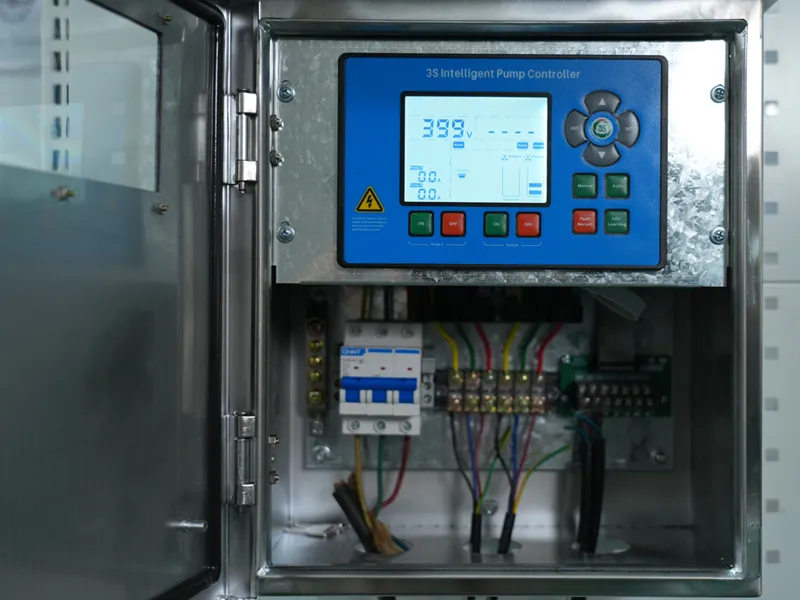
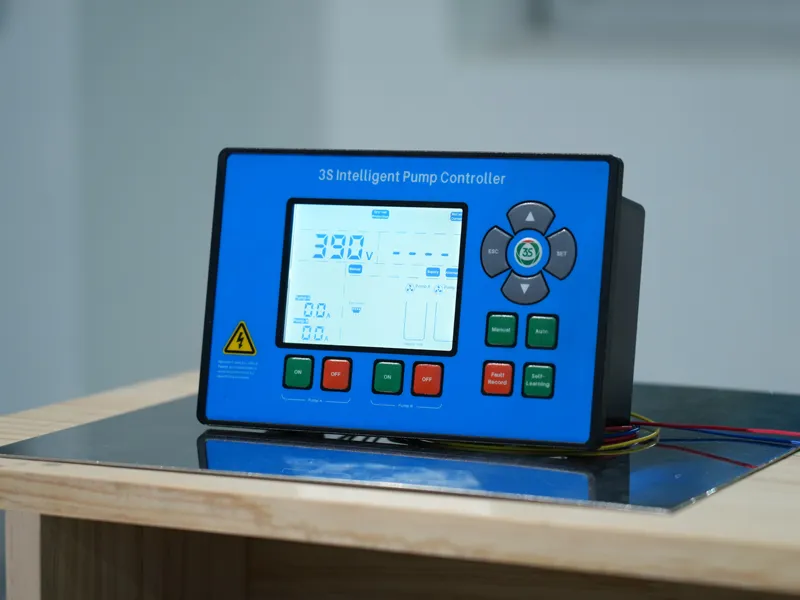
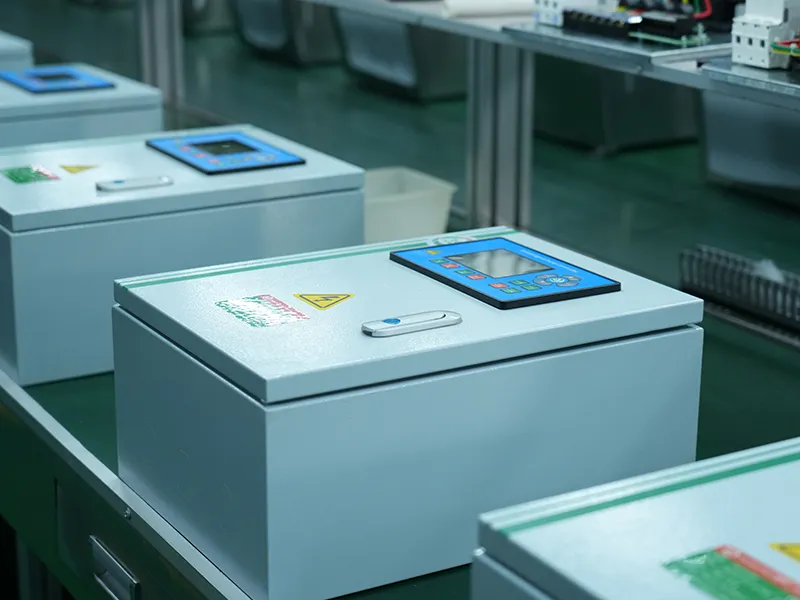
3S water pump control provides control solutions for different applications. Matching the controller with compatible level sensors helps achieve reliable automatic pump operation.
 English
 Español
 русский язык
 Français
 اللغة العربية