Unmanned Pump Control, Choose 3S


 Language
Language
Shanghai 3S Global Company Limited

In water supply systems, agricultural irrigation, and industrial applications, pump controllers act as the central control unit. The quality of commissioning directly impacts system stability, safety, and long-term efficiency.
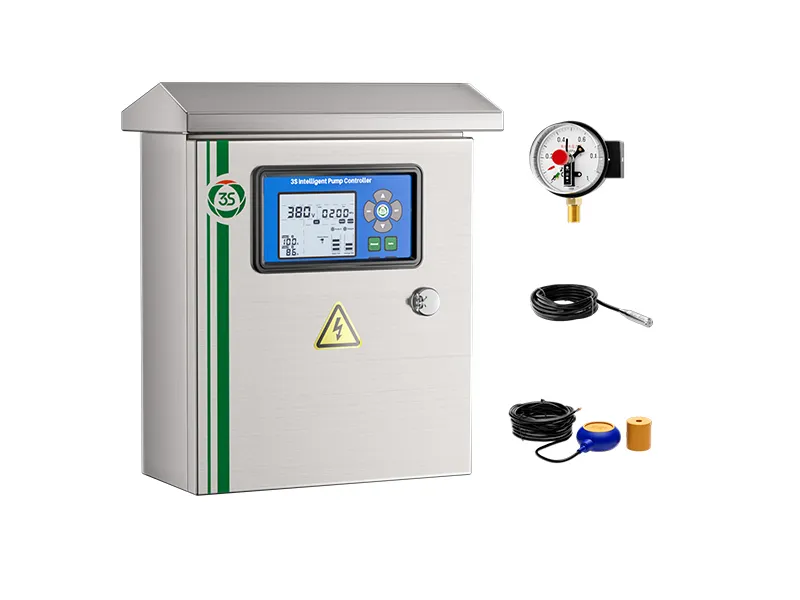
With the advancement of automation, solutions like IoT Unmanned pump panels are increasingly adopted to enhance monitoring capabilities and simplify operational management.
This guide provides a structured commissioning workflow to help engineers and technicians achieve a smooth and reliable system startup.
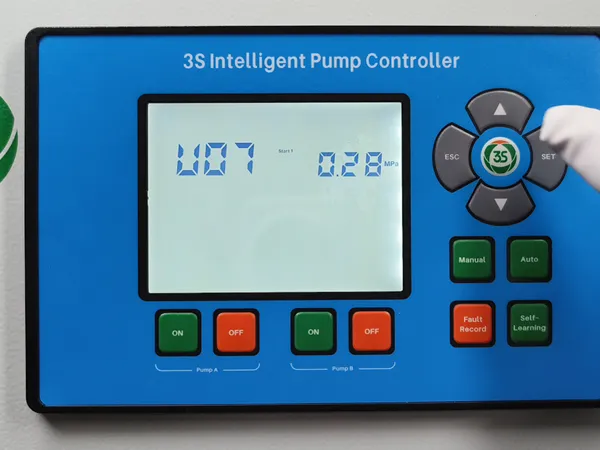
Before commissioning begins, it is essential to carry out a full inspection:
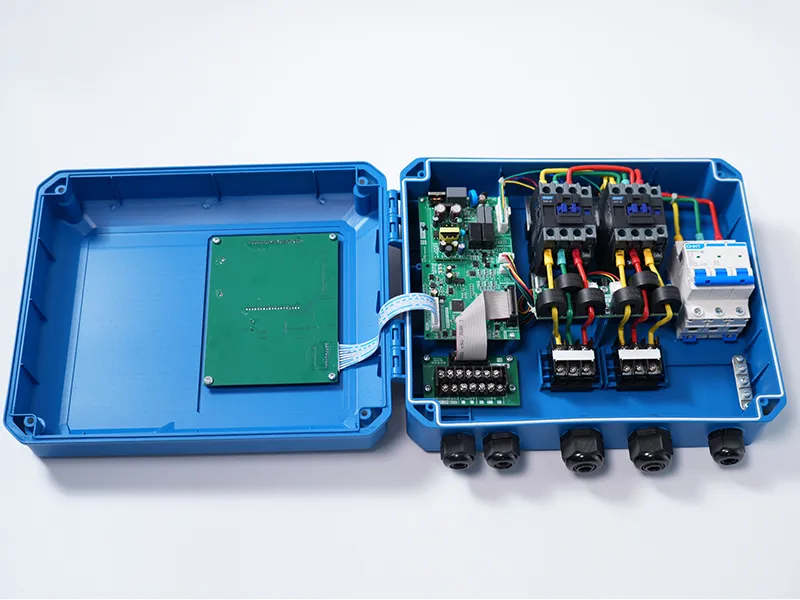
Verify correct power cable connections
Check signal and output wiring
Ensure proper grounding
Confirm no alarms or abnormal indicators
Most system failures originate from wiring issues. A solid preparation phase ensures that systems, including IoT Unmanned pump panels, can function correctly from the very beginning.
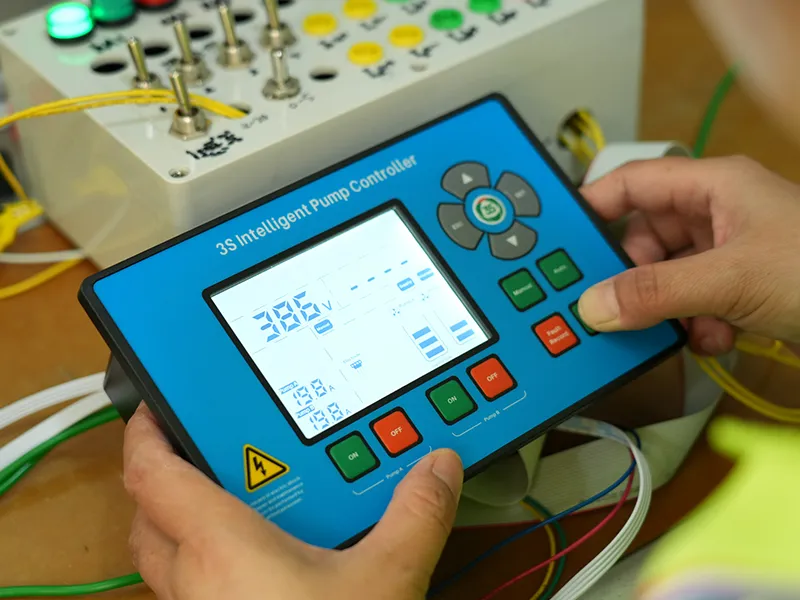
After powering on, access the controller interface and select the appropriate operating mode:
Manual Mode: Direct human control
Automatic Mode: Signal-based operation
Timer Mode: Scheduled operation
The selected mode defines how the system behaves. For intelligent systems such as IoT Unmanned pump panels, correct configuration is essential to align with sensors and automation logic.
Use the test function to briefly run the pump and check rotation direction:
Confirm correct motor rotation
Repeat testing for consistency
If incorrect:
Power off immediately
Swap any two phase wires
Retest
Incorrect rotation can lead to severe damage. Even when deploying advanced systems like IoT Unmanned pump panels, this step remains a critical safety requirement.
Modern controllers can automatically learn operating parameters:
Capture startup and running current
Generate protection thresholds:
Overload protection
Underload protection
Once completed, the system displays operating data and applies protection settings automatically.
In many cases, IoT Unmanned pump panels also allow fine-tuning, enabling better adaptation to real-world operating conditions.
During trial operation, check the following:
Smooth pump performance
Stable water output
Accurate current feedback
Responsive alarm system
Compare learned parameters with actual operating conditions to ensure consistency.
Systems equipped with IoT Unmanned pump panels can further improve this process through real-time monitoring and remote diagnostics.
Why Proper Commissioning Matters
A standardized commissioning process helps:
Reduce failure rates
Extend equipment lifespan
Improve operational efficiency
Enhance system safety
Key steps such as motor direction verification and parameter learning directly determine system reliability and performance.
Pump controllers are the “brain” of any pumping system, and proper commissioning lays the foundation for long-term success.
By following a structured process and leveraging advanced technologies like IoT Unmanned pump panels, operators can significantly improve efficiency, reduce risks, and ensure stable operation
 English
 Español
 русский язык
 Français
 اللغة العربية