Unmanned Pump Control, Choose 3S


 Language
Language
Shanghai 3S Global Company Limited

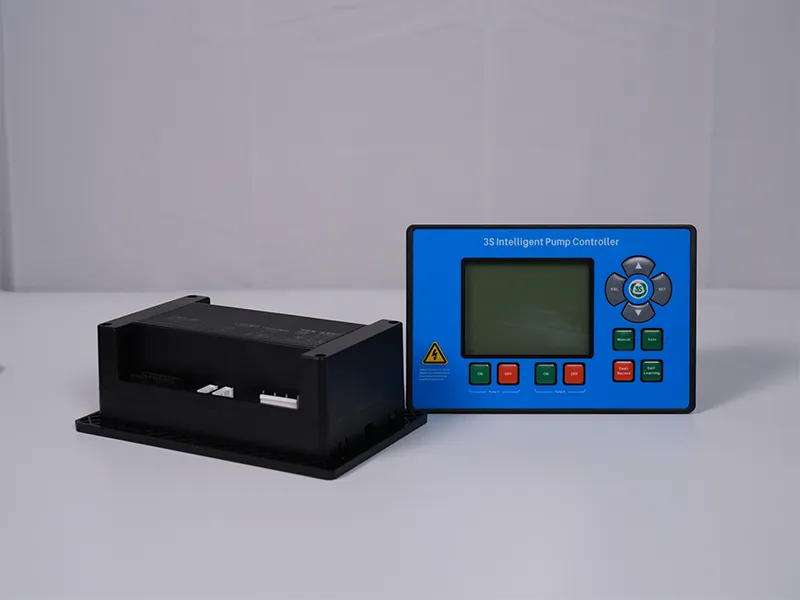
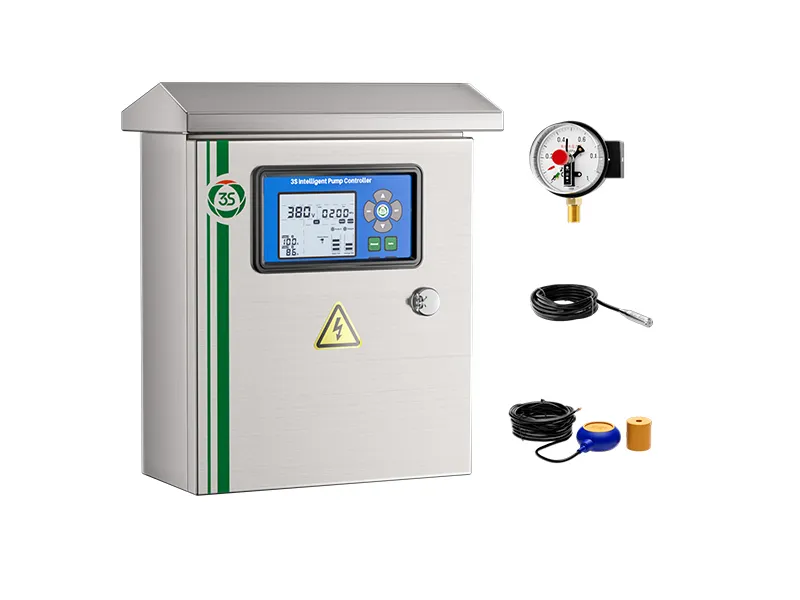
In water supply, drainage, agricultural irrigation, and industrial water systems, water pumps play a critical role in transporting water efficiently. However, a pump alone cannot ensure safe and reliable operation. This is where a Smart Pump Controller becomes the "brain" of the entire system, managing pump start-stop operations, equipment protection, and automated control.
When installing a pumping system, one of the most common questions users ask is: How should a water pump be connected to the controller correctly?
In reality, proper wiring is not only essential for normal operation but also directly affects pump lifespan, system efficiency, and long-term reliability.
Traditional water pumps often rely on manual operation, requiring frequent inspections and manual start-stop procedures. In cases of dry running, overload conditions, or power supply abnormalities, pump motors can be easily damaged.
By installing a Smart Pump Controller, users can benefit from automatic pump control, dry-run protection, overload protection, water level management, and remote monitoring capabilities. These features significantly improve operational efficiency while reducing maintenance costs.
This is particularly important for unattended pump stations, agricultural irrigation wells, underground drainage systems, and other applications where reliable automation is essential.
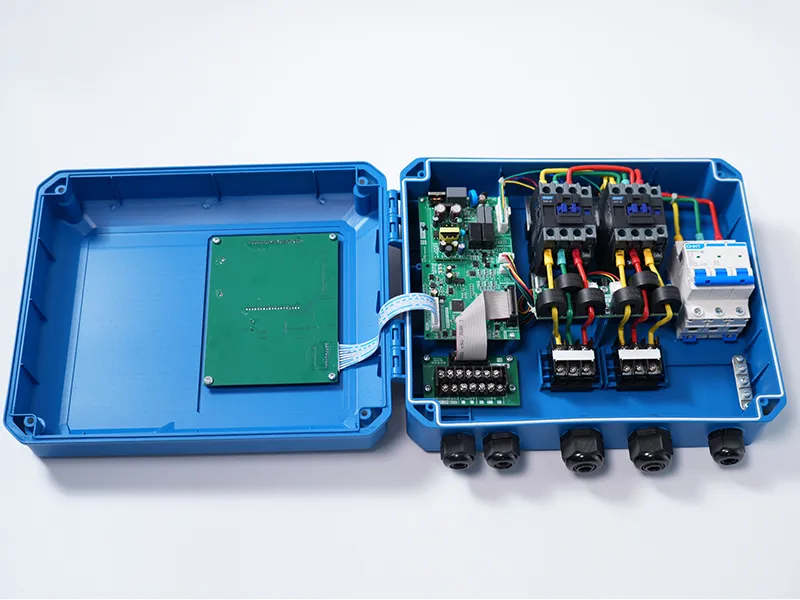
Although wiring methods vary depending on the pump type, the basic principle remains the same: power is supplied to the controller first, and then the controller outputs power to the pump. This allows the Smart Pump Controller to manage operation and provide comprehensive protection.
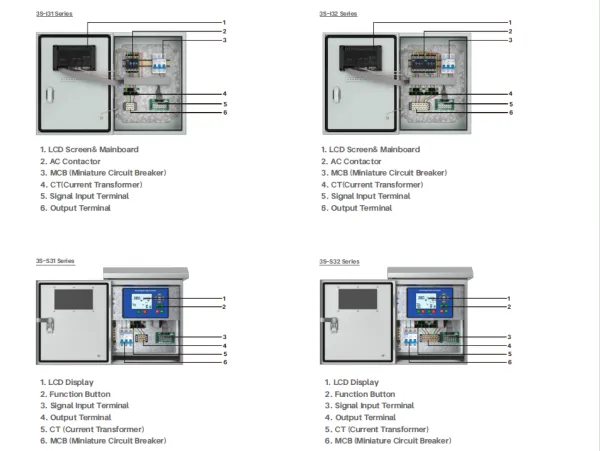
For a typical three-phase submersible pump, the connection process generally includes:
For single-phase pumps, installation is relatively straightforward. The live and neutral wires are connected to the corresponding input and output terminals of the controller according to the wiring diagram.
One important consideration for three-phase pumps is motor rotation direction. During the initial startup, users should verify that the pump rotates correctly. If reverse rotation occurs, swapping any two phase wires will correct the direction.
In many real-world applications, system failures are not caused by equipment defects but by improper installation practices.
Common issues include:
Mismatch between controller capacity and pump power;
These problems may result in frequent alarms, startup failures, reduced efficiency, or even motor damage.
To ensure stable operation, users should carefully configure critical parameters such as current protection thresholds, dry-run protection delays, and water level control logic after installation. A properly configured Smart Pump Controller can adapt more effectively to varying field conditions and operating requirements.
As smart water management and IoT technologies continue to evolve, more operators are seeking advanced automation and remote management capabilities for their pumping systems.
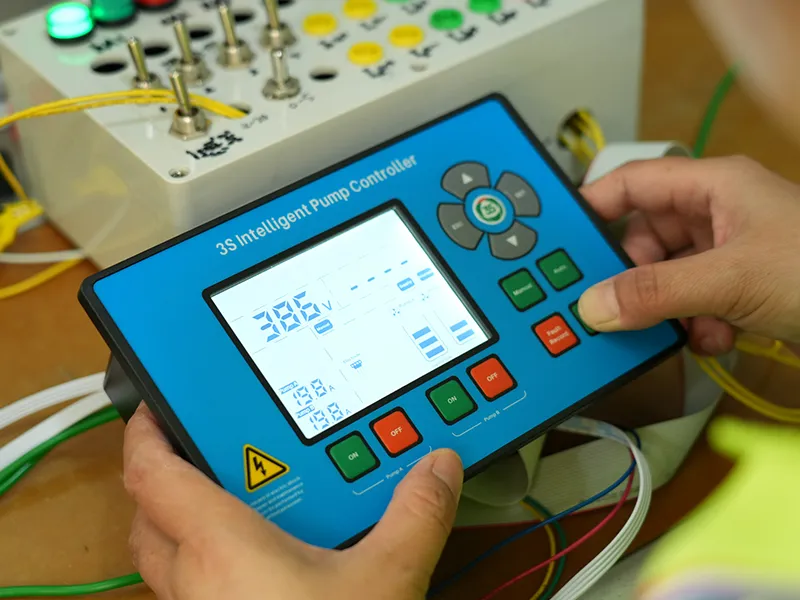
A modern Smart Pump Controller does far more than simply start and stop a pump. It can continuously monitor voltage, current, water level, and operating status in real time while providing fault warnings, data logging, and remote maintenance capabilities.
Whether used in agricultural irrigation, municipal water supply and drainage, industrial process water systems, or building services, proper pump-controller integration is essential for maximizing performance and minimizing operating costs.
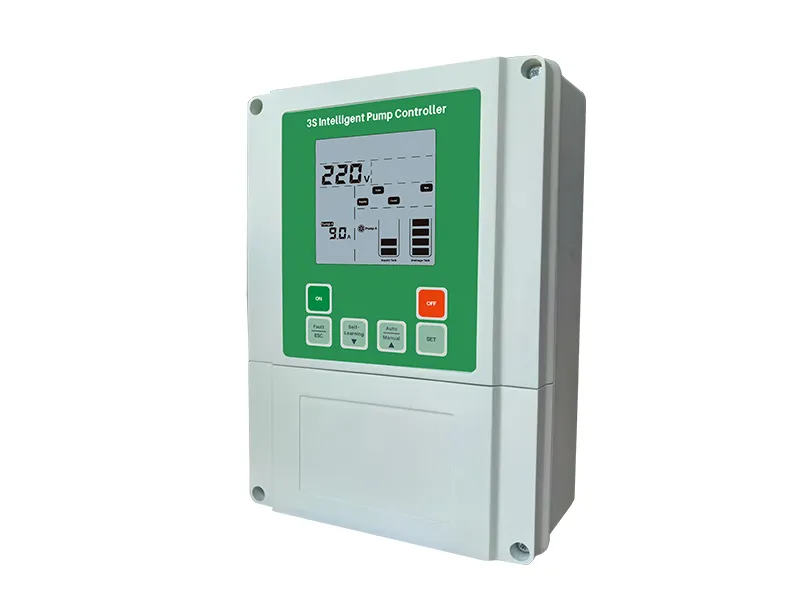
As a key component of intelligent pump automation, the Smart Pump Controller from 3S integrates automatic control, comprehensive protection, remote monitoring, and IoT communication technologies into a single solution. It provides users worldwide with a more efficient, reliable, and fully unattended pump control solution for modern water management applications.
 English
 Español
 русский язык
 Français
 اللغة العربية