Unmanned Pump Control, Choose 3S


 Language
Language
Shanghai 3S Global Company Limited

In any pumping system, pump head is one of the key parameters that determines operating efficiency, system stability, and equipment reliability. When selecting a pump, many users focus mainly on flow rate and motor power, while overlooking the critical relationship between pump head and actual system requirements.
In reality, pump head does more than determine whether water can reach the required destination. It directly affects the pump’s operating point, energy consumption, and service life. When system conditions change, traditional fixed-operation methods may cause pumps to operate away from their Best Efficiency Point (BEP), resulting in energy waste, pressure fluctuations, and potential equipment failures.
With the rapid development of smart water management and unmanned pumping stations, automatic water pump controllers that monitor system conditions in real time and optimize pump operation dynamically are becoming essential for improving overall system performance.
Pump head refers to the amount of energy a pump transfers to a fluid per unit weight. It is usually measured in meters (m). Unlike the simple concept of “lifting height,” pump head represents the total energy required for a pump to overcome system resistance and deliver water effectively.
The total head required in a pumping system typically consists of two major components:
1. Static Head
Static head is mainly determined by the elevation difference between the water source and the delivery point, such as:
Static head is usually a relatively constant requirement that the pump must overcome.
2. Friction Head
Friction head is caused by resistance within the piping system, including: pipes, valves, elbows and other pipeline components.
As flow rate increases, water velocity inside the pipeline rises, resulting in higher friction losses. Therefore, even if the elevation difference remains unchanged, the actual head requirement of the system can vary with changing water demand.
1. Determines Pump Operating Efficiency
The actual operating point of a pump is determined by the interaction between the pump curve and the system curve.
If the selected pump head is too high:
If the selected pump head is insufficient:
Therefore, proper matching between pump head and system requirements is the foundation of efficient pump operation.
2. Affects Equipment Life and Operational Safety
Unstable head conditions can lead to:
This is especially important in applications such as agricultural irrigation, water supply boosting, wastewater treatment, and industrial circulation systems, where operating conditions continuously change and fixed control methods may struggle to maintain optimal performance.
Traditional pump systems are usually designed and operated based on initial project parameters. However, real-world conditions are constantly changing:
Therefore, modern pumping systems need more than just a properly selected pump. They require an intelligent control solution that can understand and respond to system changes.
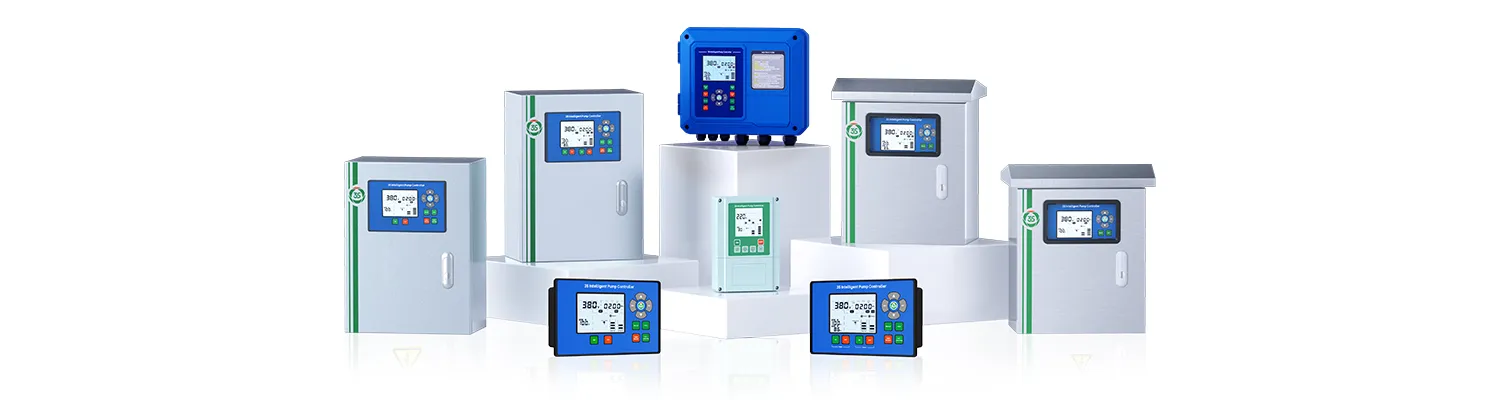
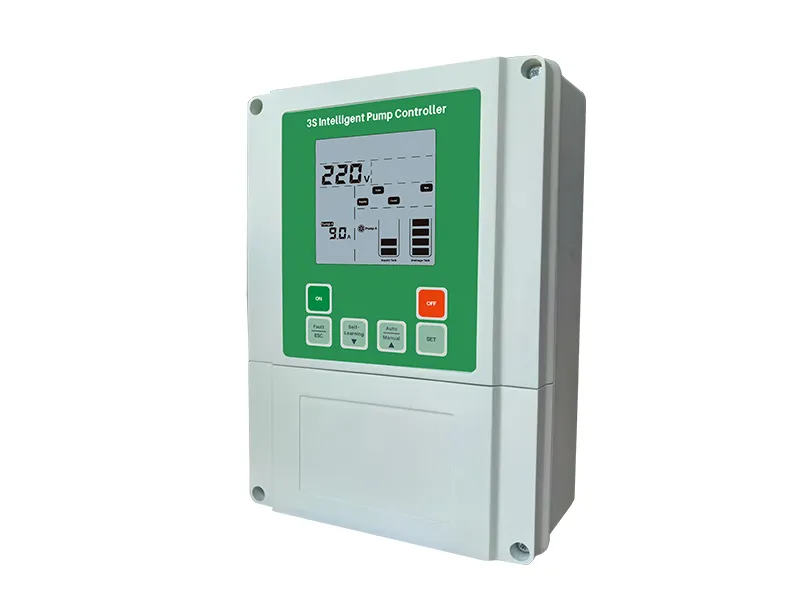
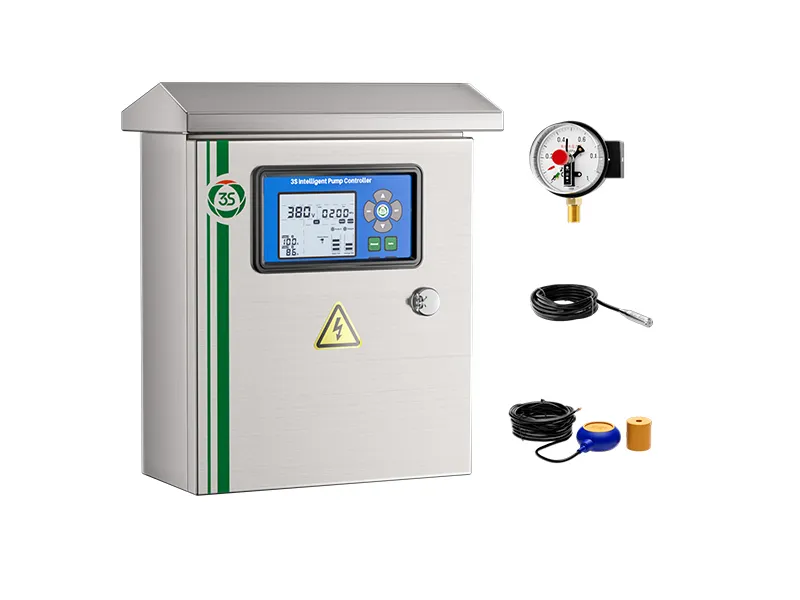
Taking the 3S automatic water pump controller as an example, the system collects real-time signals such as pressure, water level, and flow conditions, analyzes operating status, and automatically adjusts pump operation strategies according to actual requirements.
1. Real-Time Monitoring of System Conditions
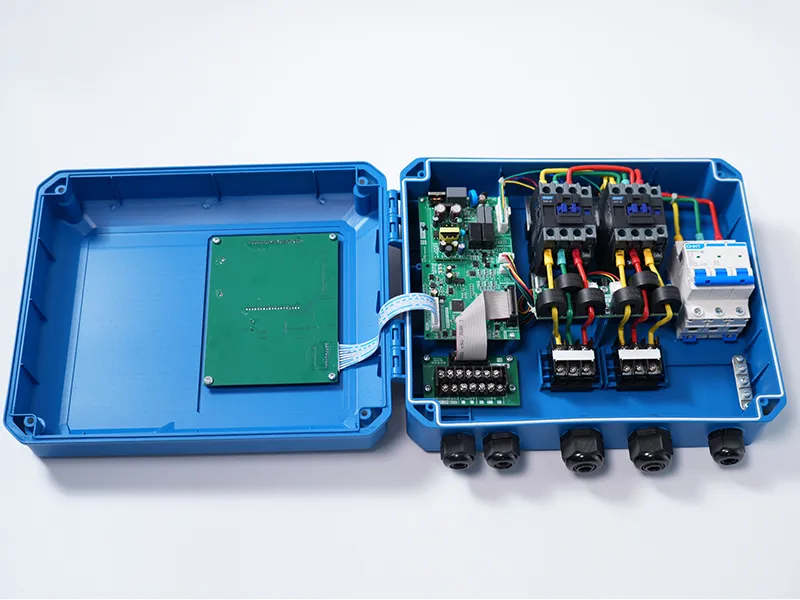
Automatic water pump controller can connect with various field devices, including: pressure sensors, level sensors, flow signals etc.
By continuously collecting operational data, the controller can accurately identify current system demands.
2. Dynamic Adjustment of Pump Operation
When system head requirements change, automatic water pump controller can:
This allows pumps to operate closer to their optimal performance range, improving overall system efficiency.
3. Provides Protection and Reduces Failure Risks
Beyond efficiency improvement, automatic water pump controller also enhances equipment protection through functions such as:
For unmanned pumping stations and remote water supply systems, these automatic protection capabilities are particularly valuable.
The competitiveness of modern pumping systems is no longer determined only by the performance of individual pumps. Instead, it focuses on the entire system lifecycle, including:
Pump head determines how much energy a system requires, while automatic water pump controller determines how efficiently that energy is utilized.
By integrating pump performance analysis, system requirements, and smart control technologies, businesses can build pumping solutions that are more energy-efficient, reliable, and intelligent.
Pump head is the critical link between pump performance and real-world application requirements. Only by fully understanding static head, friction head, and changing system conditions can engineers achieve proper pump selection and efficient operation.
As smart water management and unmanned pumping stations continue to develop, automatic water pump controller will play an increasingly important role in optimizing pump head management, reducing energy consumption, and improving system reliability.
The future of pumping is not just about making pumps run — it is about enabling pumps to run intelligently according to system needs.

 English
 Español
 русский язык
 Français
 اللغة العربية