Unmanned Pump Control, Choose 3S


 Language
Language
Shanghai 3S Global Company Limited

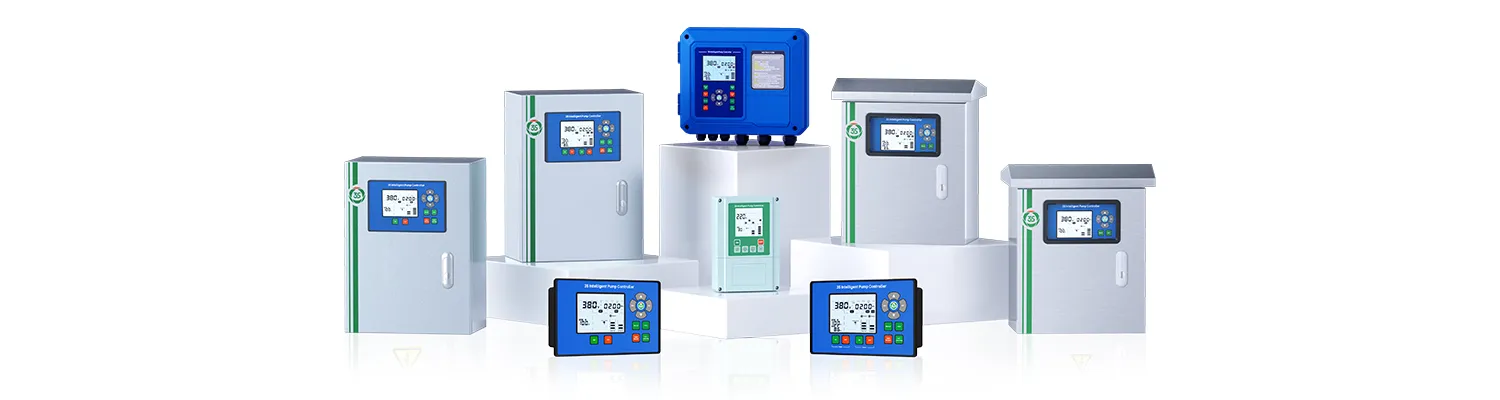
Pumps play a critical role throughout the wastewater treatment process, from wastewater collection and transfer to treatment, filtration, and discharge.
However, wastewater treatment facilities often operate in challenging conditions, including long operating hours, complex environments, and limited access for manual maintenance. Pump systems may face issues such as:
Therefore, an effective pump controller for wastewater treatment needs to do more than simply start and stop pumps. It should provide automatic control, level monitoring, and reliable protection to ensure stable wastewater treatment operations.
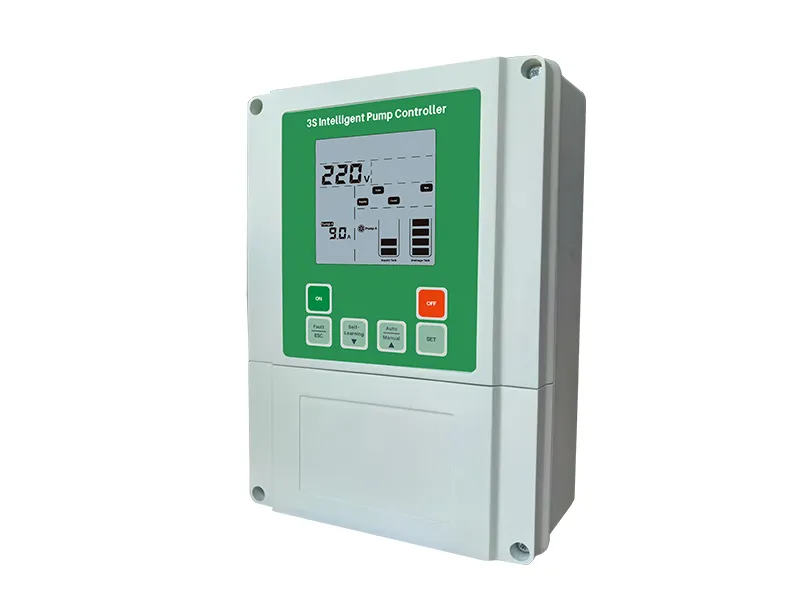
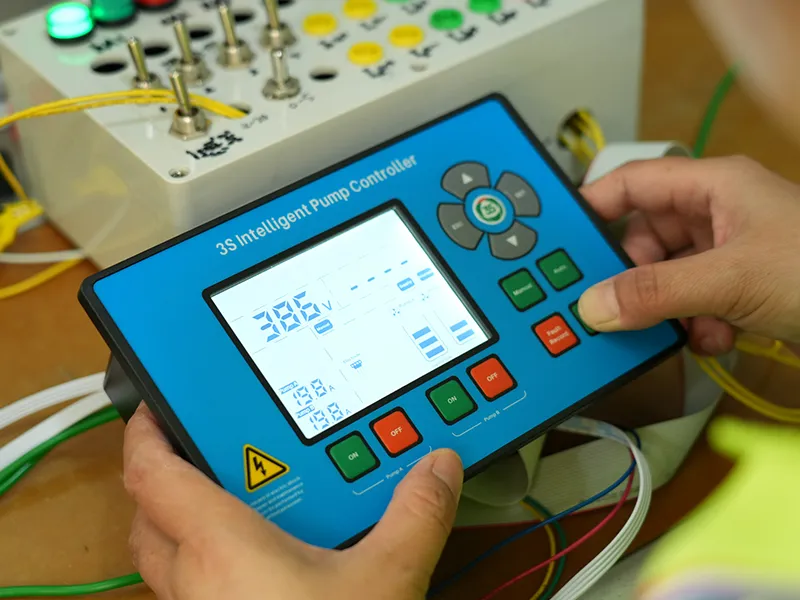
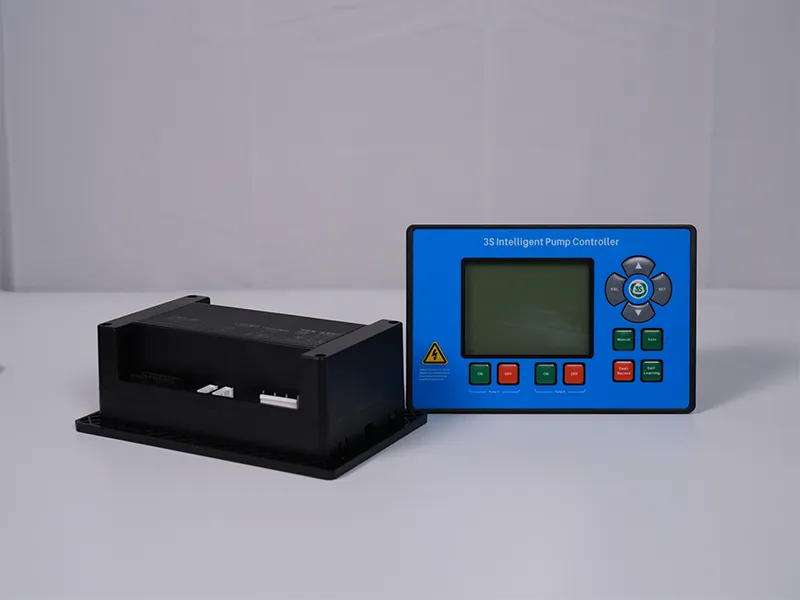
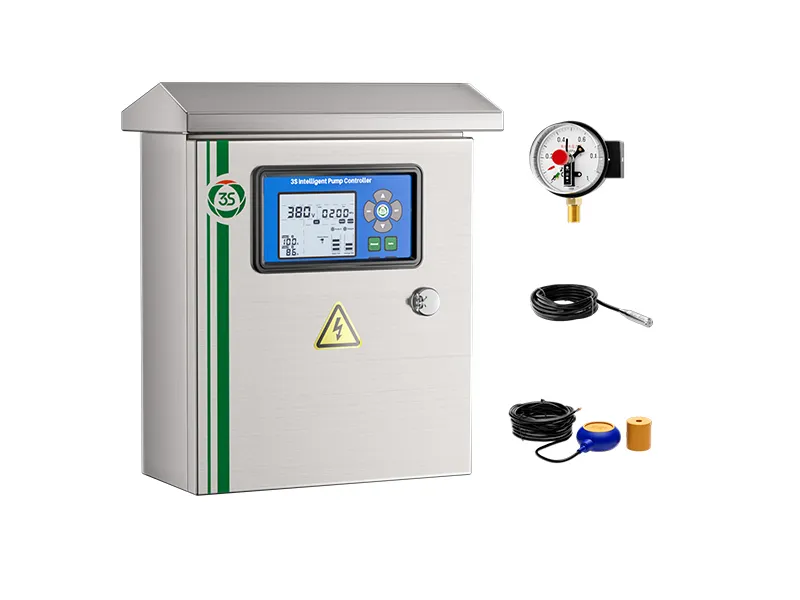
Designed for applications such as wastewater treatment, drainage systems, and lifting pump stations, 3S pump controller for wastewater treatment provides intelligent control and protection functions to help improve pump system reliability and operational efficiency.
In wastewater treatment applications, 3S controllers are commonly used in the following areas:
1. Automatic Level Control for Unattended Operation
Wastewater tanks, collection pits, and lifting stations often require pumps to operate automatically according to water level changes.
3S pump controller for wastewater treatment supports multiple level detection devices, including:
When the water level reaches the preset point, the controller can automatically start the pump for drainage. When the water level returns to a safe range, the pump stops automatically.
This automatic control method helps reduce manual inspection requirements while preventing potential overflow risks caused by excessive water levels.
2. Multiple Protection Functions to Improve Pump Reliability
Wastewater pumps often operate continuously for extended periods, making motor protection essential.
3S pump controller for wastewater treatment integrates multiple electrical protection functions to help reduce equipment failure risks, including:
When abnormal operating conditions are detected, the controller can stop the pump in time, helping protect the motor and reduce unexpected downtime.
3. Designed for Challenging Environments and Long-Term Operation
Wastewater treatment facilities may involve high humidity, dust, and corrosive environments, creating higher requirements for electrical equipment reliability.
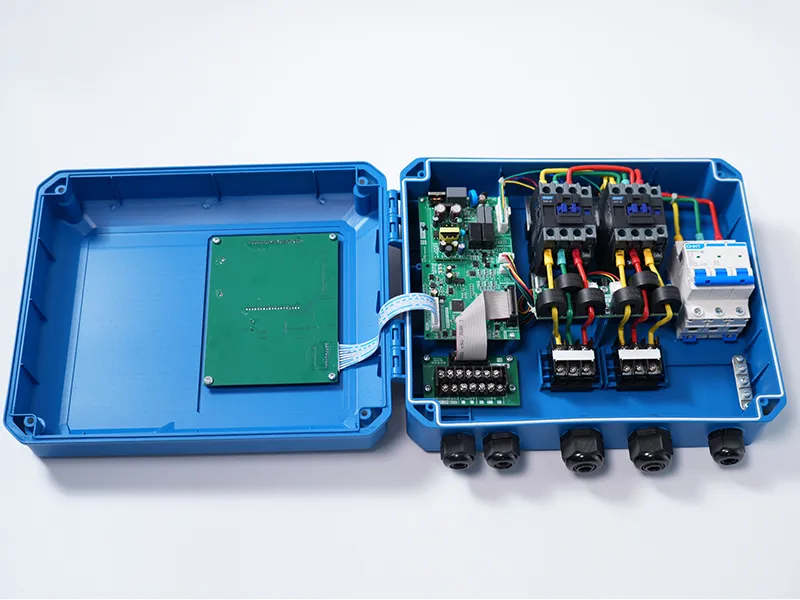
3S pump controller for wastewater treatment features industrial-grade design, including:
These designs help controllers operate reliably in a wide range of indoor and outdoor wastewater applications.
4. Flexible Control for Different Wastewater Applications
Different wastewater projects have different pump control requirements.
3S pump controller for wastewater treatment can be applied in various scenarios, including:
Wastewater Lifting Pump Stations
Automatically controlling sewage pumps based on liquid level changes.
Industrial Wastewater Treatment Systems
Managing wastewater transfer processes while protecting pump equipment.
Municipal Sewage Treatment Facilities
Supporting automatic drainage and water management in collection tanks and treatment units.
Stormwater Drainage Systems
Helping manage changing water levels during heavy rainfall conditions.
For wastewater contractors, system integrators, and facility operators, a pump controller is more than an electrical component that starts and stops equipment.
It is an important part of maintaining stable and efficient wastewater operations.
With automatic control and intelligent protection features, 3S pump controllers help:
Improve System Automation
Enable smarter pump management with reduced manual operation.
Reduce Maintenance Pressure
Minimize equipment damage and unexpected shutdowns through fault protection.
Enhance Operational Reliability
Support long-term and continuous pump operation in demanding environments.
Simplify Project Implementation
Provide flexible connections with various signal devices to meet different project requirements.
As urban water management, industrial environmental protection, and smart water solutions continue to develop, wastewater treatment systems require higher levels of automation, reliability, and intelligent management.
An effective pump control solution should provide more than basic start/stop functions. It should monitor operating conditions, protect equipment, and enable automatic management based on real application needs.
With automatic level control, multiple protection functions, environmental adaptability, and flexible application support, 3S pump controllers provide reliable pump control solutions for wastewater treatment systems, helping achieve safer, smarter, and more efficient water management.
 English
 Español
 русский язык
 Français
 اللغة العربية