Unmanned Pump Control, Choose 3S


 Language
Language
Shanghai 3S Global Company Limited

Before starting a water pump, three key conditions should be confirmed: the control mode, electrical parameters, and pump and system conditions. For systems equipped with a water pump controller, incorrect settings or unsuitable site conditions may prevent the pump from starting as expected or cause abnormal operation, even when the controller itself is functioning normally.
Instead of going through a long list of repetitive checks, it is more practical to first confirm the key conditions that directly determine how the pump will start and operate.
A water pump controller does more than simply start and stop a pump. Different applications require different control methods, such as:
The control mode determines how the controller receives the start signal and under what conditions the pump starts or stops.
For example, a water supply system may control the pump based on a pressure signal, while a drainage system may use a level signal. If the selected control mode does not match the actual field signal, the pump may not operate as expected.
Before starting, therefore, confirm that these three elements are consistent: Application → Field Signal → Controller Control Mode
After confirming the control mode, the pump’s key electrical parameters should also be checked.
Rated Voltage
The controller’s applicable voltage range must match the actual power supply requirements of the pump motor.
If the supply voltage does not meet the equipment requirements, it may affect motor starting and operation. Before startup, confirm the motor and controller voltage requirements, the actual site supply voltage, and the corresponding wiring conditions.
Rated Current
Rated current is an important reference for current monitoring and related protection functions.
If the rated current is configured manually, confirm that the setting matches the motor’s actual rated parameters. If the automatic learning function is used, make sure the pump is operating under normal and stable conditions before performing the learning process according to the product requirements.
In simple terms: Rated voltage ensures the power supply is properly matched, while rated current provides an important reference for operating-current monitoring and protection.
Both should be confirmed before startup.
Even when the controller parameters are correctly configured, the pump may not start properly if the pump itself or the surrounding system is not ready.
Before startup, confirm that:
The key point is to confirm that both the controller and the pump are ready for startup.
For example, in an automatic control system that relies on a level or pressure signal, the pump may not start if the field signal has not reached the configured start condition. This does not necessarily indicate a controller fault. The controller may simply be following the programmed control logic.
The purpose of a pre-startup check is not to add unnecessary operating steps. It is to answer three basic questions:
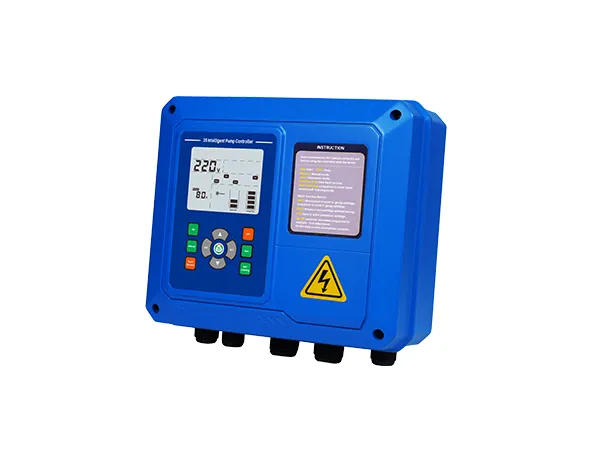
Does the controller know when the pump should start?
→ Check whether the control mode matches the application and field signal.
Can the controller properly control this pump?
→ Check key electrical parameters such as rated voltage and rated current.
Is the system ready for startup?
→ Check the pump, power supply, piping, level, pressure, and other relevant field conditions.
Once these conditions have been confirmed, the pump can be started according to the controller’s operating requirements.
Checking a water pump before startup is not simply about confirming that the equipment is powered on. It is about making sure that the control logic, electrical parameters, and site conditions are all ready for operation.
For a water pump controller, reliable startup begins with the correct control mode, properly matched electrical parameters, and normal field conditions.
A few checks before startup can make pump operation more predictable and help identify potential problems before they affect system performance.
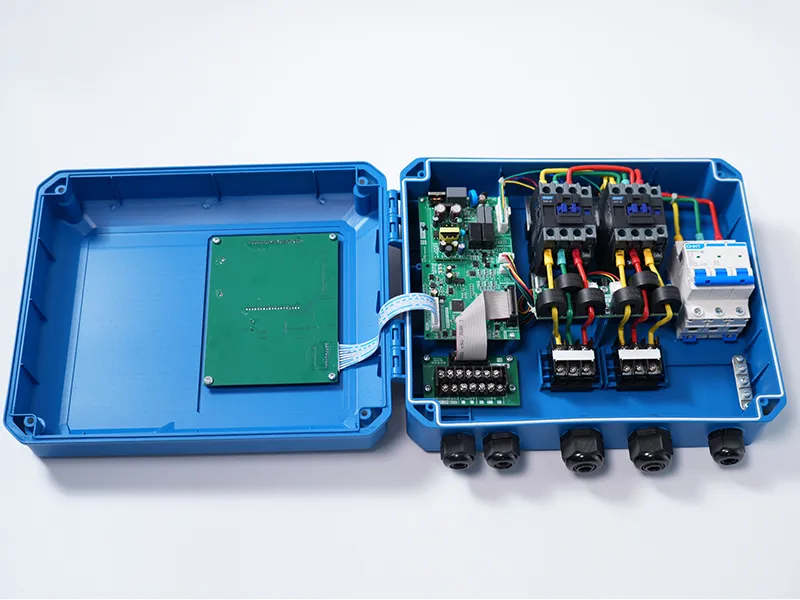
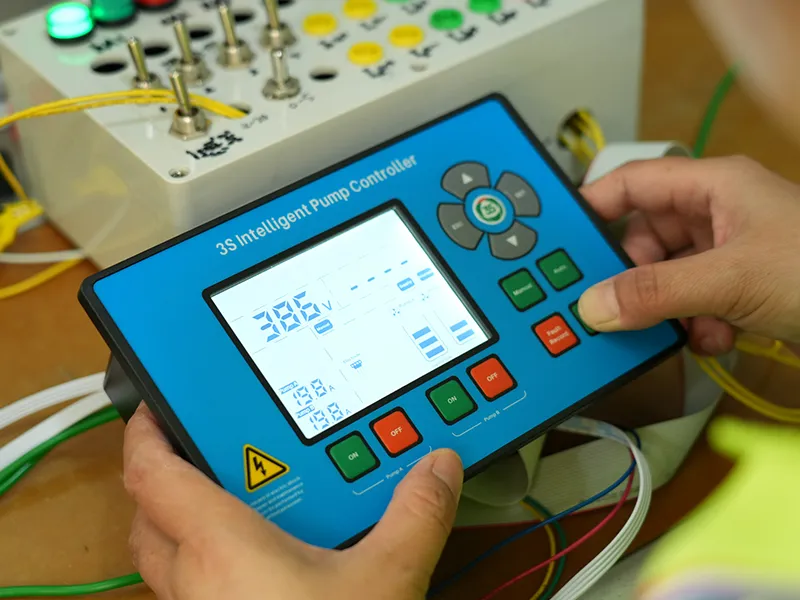
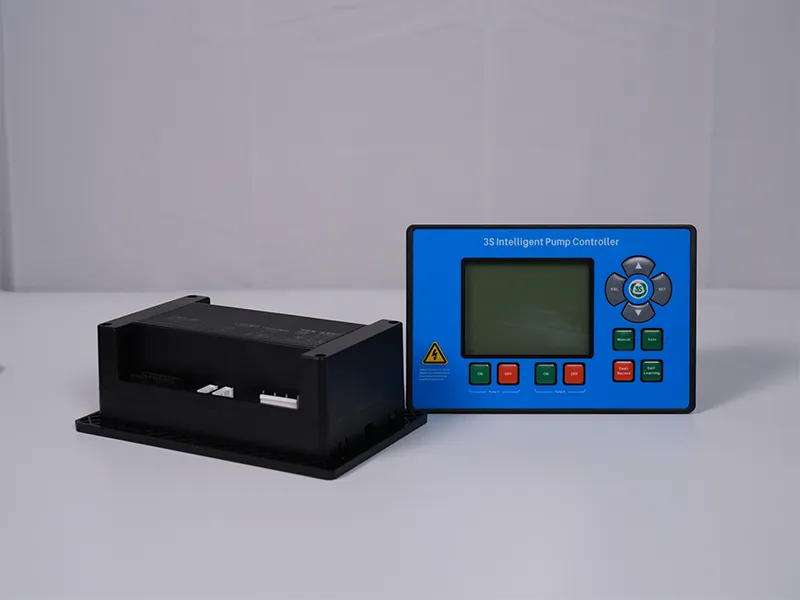
 English
 Español
 русский язык
 Français
 اللغة العربية