Unmanned Pump Control, Choose 3S


 Language
Language
Shanghai 3S Global Company Limited

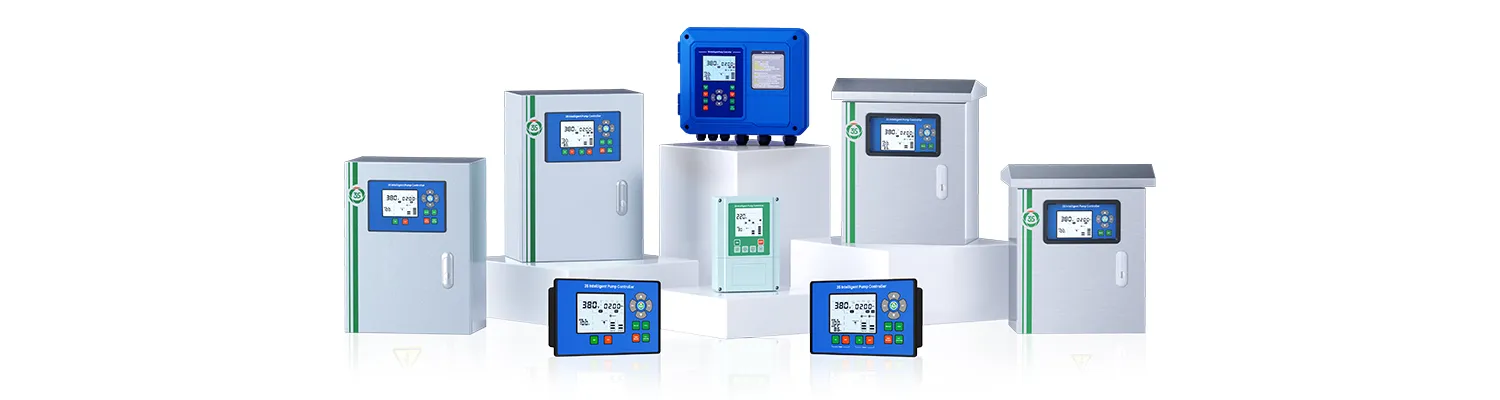
In agricultural irrigation, industrial water supply, municipal drainage, and water treatment applications, pumps play a critical role in maintaining continuous and efficient operations.
However, one issue that continues to affect many pumping systems is frequent pump cycling—the repeated starting and stopping of a pump within a short period of time.
At first glance, a pump that starts and stops normally may appear to be functioning correctly. In reality, excessive cycling often indicates underlying issues within the control system, sensors, or operating parameters.
As pumping systems become increasingly automated, maintaining stable operation has become a key objective of modern Remote Water Pump Control solutions.
In many cases, the root cause is not the pump itself.
Frequent cycling is often linked to fluctuations in level control, pressure control, or sensor signals. A malfunctioning float switch, unstable electrode signal, or excessive pressure variation can cause the controller to repeatedly issue start and stop commands.
Another common factor is improper parameter configuration. When start and stop thresholds are set too close together, the system may react to normal operational fluctuations rather than actual demand changes.
As more facilities adopt automation technologies and Remote Water Pump Control systems, stable signal acquisition and intelligent control logic have become essential for preventing unnecessary pump operation.
Every pump start generates electrical and mechanical stress.
When this process occurs repeatedly over a short period, the resulting wear can significantly affect motors, contactors, and other critical system components.
Over time, frequent cycling may lead to:
For unattended pumping stations, these issues can become even more serious. This is why many operators are implementing Remote Water Pump Control technologies to gain greater visibility into system performance and respond to issues before they escalate.
Addressing frequent cycling requires more than simply replacing hardware.
The first step is ensuring that pressure, level, and sensor signals are accurate and reliable. Equally important is configuring operating parameters according to actual site conditions, allowing the system sufficient flexibility to handle normal fluctuations.
A well-designed control system should also be able to distinguish between temporary variations and genuine operating requirements. Intelligent decision-making helps prevent unnecessary starts and stops that can negatively affect system performance.
Modern Remote Water Pump Control systems provide advanced monitoring and control capabilities that help optimize pump operation while reducing the risk of short cycling.
As automation and digitalization continue to transform the water industry, traditional control methods are increasingly being replaced by intelligent pump management solutions.
Modern control systems integrate multiple sensor inputs, advanced control logic, alarm notifications, operational data recording, and remote monitoring capabilities. These features help operators identify abnormalities earlier and make more informed decisions.
By combining automation with Remote Water Pump Control, users can improve operational reliability, reduce maintenance requirements, and increase overall system efficiency.
This approach is particularly valuable for agricultural, municipal, and industrial projects where stable and continuous operation is critical.
Frequent pump cycling may seem like a minor operational issue, but it often signals deeper problems related to system control, sensor performance, or parameter settings.
For today's pumping systems, the goal is no longer simply to keep pumps running. The focus has shifted toward maintaining stable, efficient, and intelligent operation.
With the help of advanced Remote Water Pump Control technology, operators can identify potential issues earlier, minimize unnecessary pump cycling, and ensure safer and more reliable system performance over the long term.
As pumping applications continue to evolve, Remote Water Pump Control will play an increasingly important role in improving efficiency, reducing downtime, and supporting smarter water management.
 English
 Español
 русский язык
 Français
 اللغة العربية