Unmanned Pump Control, Choose 3S


 Language
Language
Shanghai 3S Global Company Limited

Selecting a pump control panel involves more than simply checking power ratings. Even pumps with the same power rating may require different signal inputs, operating logic, and protection functions depending on the application.
The key to selecting the right pump controller is matching its functions to the actual operating conditions and control objectives of the system.
From water supply and pressure boosting to agricultural irrigation, wastewater drainage, HVAC circulation, and water treatment, each application has its own control priorities.
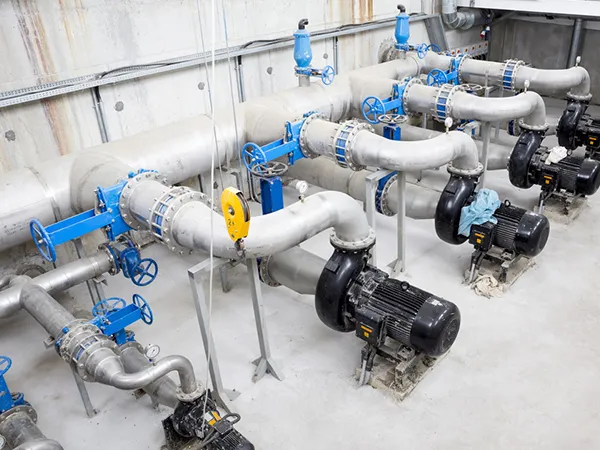
Water supply and pressure-boosting systems need to maintain stable water pressure and flow according to demand. The pump control panel typically needs to support pressure signals and control pump start-up and shutdown based on preset conditions.
In dual-pump systems, alternating operation can help distribute pump runtime, while lead-lag control allows the standby pump to take over if the duty pump fails, helping maintain continuity of water supply.
The key requirements in this application are pressure control, automatic operation, and multi-pump coordination.
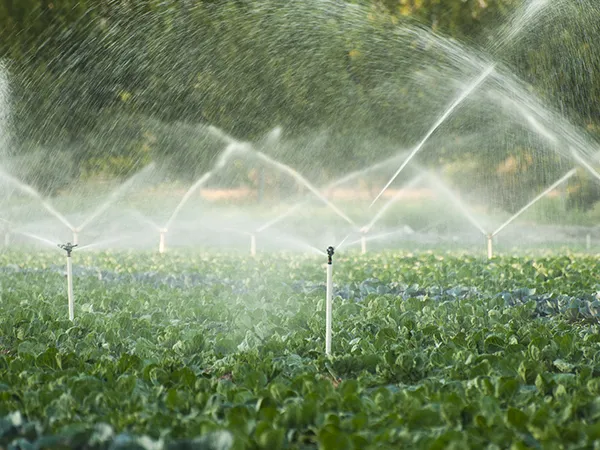
Agricultural irrigation control requirements depend on water source conditions and irrigation schedules. The pump control panel can operate pumps based on water level, pressure, or signals from irrigation equipment.
When the water supply is insufficient, dry-run protection can stop the pump in time to reduce the risk of damage caused by running without adequate water. For scheduled irrigation, timer functions can also automate pump start-up and shutdown.
The main considerations are water source monitoring, dry-run protection, and scheduled operation.
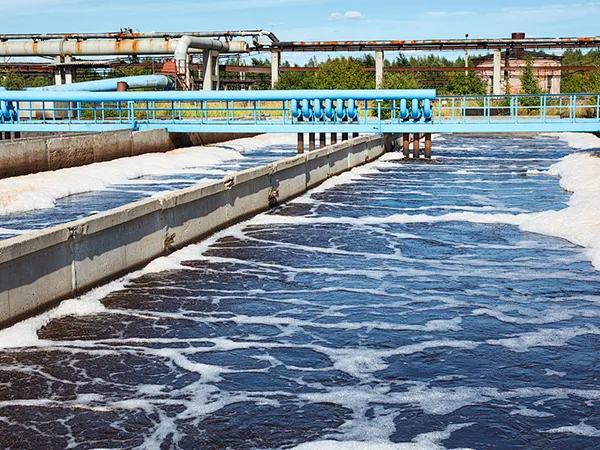
Wastewater and drainage systems typically use water level as a key reference for pump start-up and shutdown. The pump starts when the water level reaches the preset start point and stops when the level falls to the stop point.
In dual-pump systems, alternating operation or lead-lag control can help distribute runtime. A standby pump can also be activated when a high-level condition is reached to increase drainage capacity. Electrical protection functions, such as overload and phase-loss protection, are also important considerations.
The main focus in this application is level control, multi-pump coordination, and operational protection.
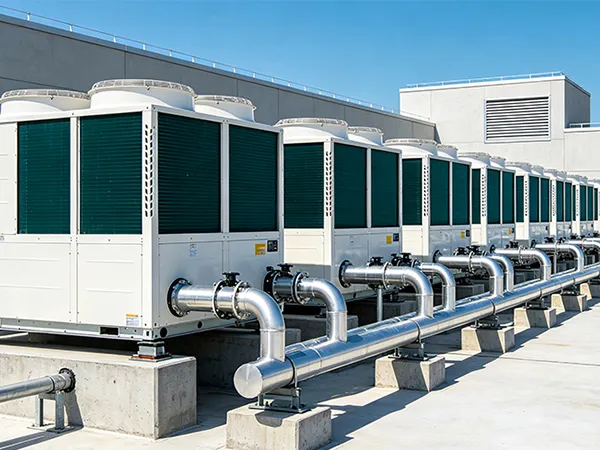
Pumps in HVAC circulation systems need to adapt to different circulation and load conditions. The pump control panel can work with pressure, differential pressure, or temperature signals to operate pumps according to system requirements.
The specific control strategy depends on the system design and associated equipment. Selection should therefore focus on circulation stability, signal compatibility, and adaptability to changing operating conditions.
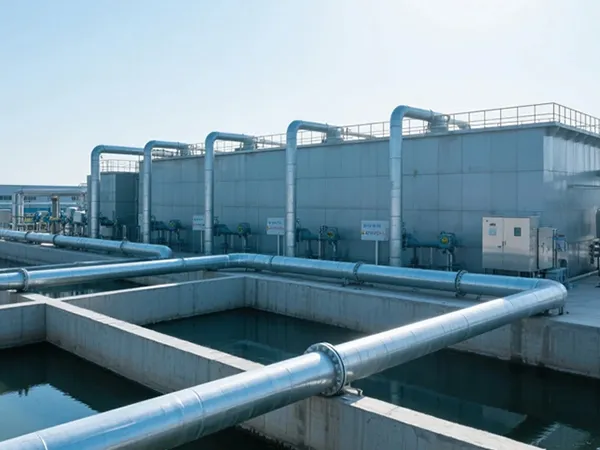
Water treatment systems involve multiple process stages, including water intake, transfer, filtration, and discharge. Pump controllers often need to coordinate operation with other equipment.
The pump control panel can operate pumps according to preset logic based on signals such as water level, pressure, flow, and equipment status, while working with related equipment to support process interlocking.
The key considerations in this application are multi-signal coordination, equipment interlocking, and process compatibility.
Different applications have different control priorities:
|
Application |
Key Control Requirements |
|
Water supply and pressure boosting |
Pressure control, multi-pump coordination |
|
Agricultural irrigation |
Level monitoring, dry-run protection, timer control |
|
Wastewater and drainage |
Level control, drainage logic, operational protection |
|
HVAC circulation |
Stable circulation, signal compatibility, demand-based operation |
|
Water treatment |
Multi-signal coordination, process interlocking |
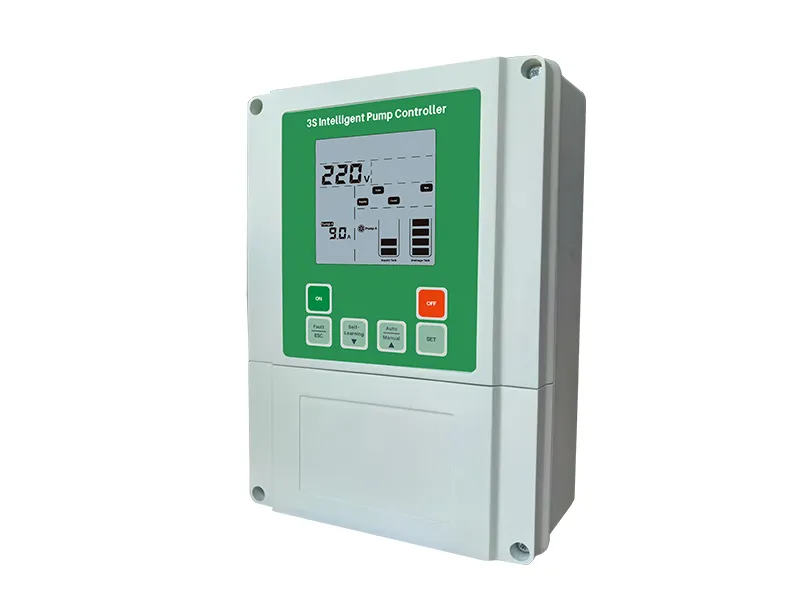
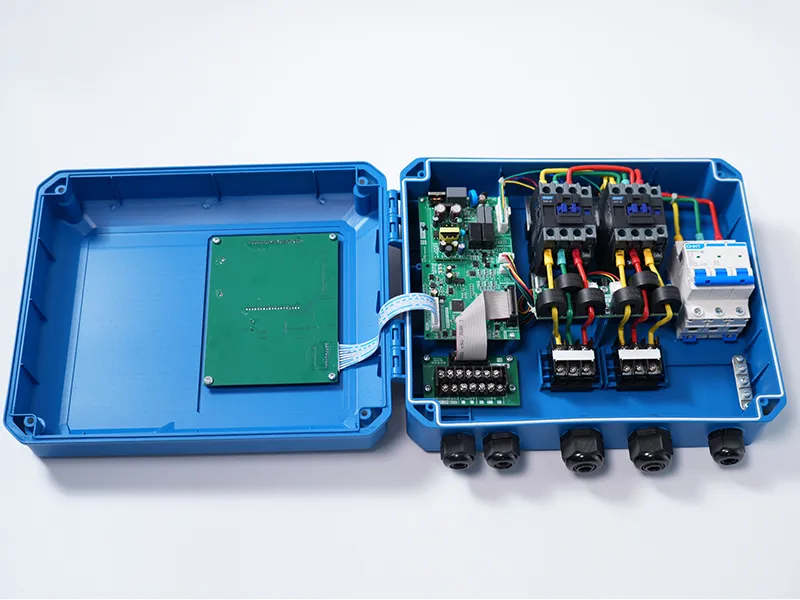
When selecting a pump control panel, in addition to checking power ratings, voltage, and phase configuration, it is important to confirm the required control signals, operating logic, protection functions, and installation conditions to ensure compatibility with the system.
Selecting a water pump controller is not simply about meeting electrical specifications. It is also about matching the control requirements of the intended application.
By clearly identifying system conditions, signal types, and operating logic, users can select suitable control solutions for water supply, irrigation, drainage, HVAC, water treatment, and other applications.
 English
 Español
 русский язык
 Français
 اللغة العربية