Unmanned Pump Control, Choose 3S


 Language
Language
Shanghai 3S Global Company Limited

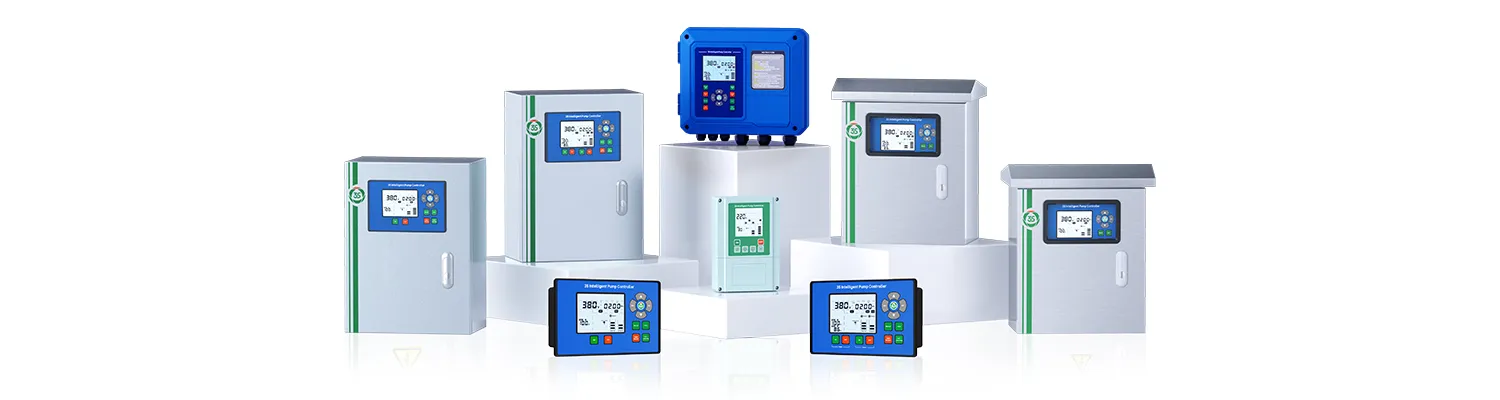
In modern water supply and industrial systems, demand is rarely constant. It fluctuates throughout the day, making it challenging to maintain stable pressure while minimizing energy consumption.
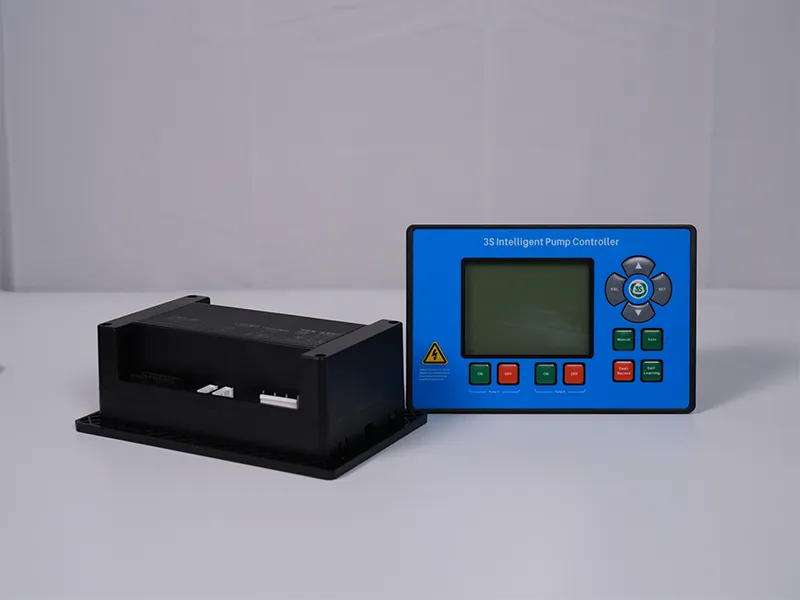
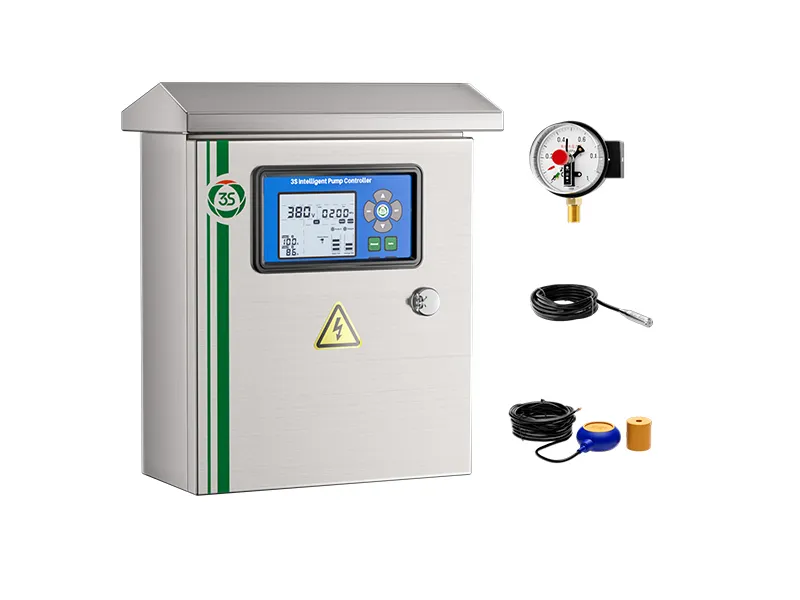
To address this, the combination of VFD technology and multi-pump systems has become a mainstream solution. With the integration of an IoT Unmanned Smart Water Pump Controller, systems can respond dynamically to changing conditions while maintaining efficiency.
A variable frequency drive adjusts motor speed based on real-time pressure:
Lower demand leads to reduced pump speed
System pressure remains stable
Energy consumption is significantly reduced
This “on-demand” approach ensures efficient operation. When supported by an IoT Unmanned Smart Water Pump Controller, the control process becomes more precise and adaptive.
When system demand exceeds the capacity of a single VFD pump:
The controller detects pressure drop or frequency limits
A fixed-speed pump is automatically activated
Additional pumps are added step by step as demand increases
In such configurations, the IoT Unmanned Smart Water Pump Controller ensures seamless coordination between pumps, balancing performance and efficiency.
The combination of VFD and multi-pump control delivers several benefits:
Reduced energy consumption
Stable pressure output
Less mechanical stress from frequent starts and stops
Extended equipment lifespan
These advantages are further enhanced when using an IoT Unmanned Smart Water Pump Controller, which enables smarter monitoring and control.
Building Water Supply Systems
Water demand varies significantly over time:
During peak hours, multiple pumps operate together
During low demand periods, only the VFD pump maintains pressure
This transition can be managed automatically by an IoT Unmanned Smart Water Pump Controller, ensuring both efficiency and reliability.
Agricultural Irrigation Systems
In irrigation applications:
Flow demand changes depending on valve usage
VFD pumps adjust speed accordingly
Constant pressure is maintained while reducing energy waste
A water pump pontroller allows precise adjustment and supports efficient large-scale irrigation management.
The essence of this system lies in:
One variable-speed pump for adjustment + multiple fixed-speed pumps for support
This approach ensures stable pressure and optimal efficiency under varying load conditions.
As automation continues to evolve, integrating VFDs with multi-pump systems is becoming the industry standard.
By leveraging technologies like the IoT Unmanned Smart Water Pump Controller, operators can achieve better energy efficiency, improved reliability, and long-term cost savings.
 English
 Español
 русский язык
 Français
 اللغة العربية