Unmanned Pump Control, Choose 3S


 Language
Language
Shanghai 3S Global Company Limited

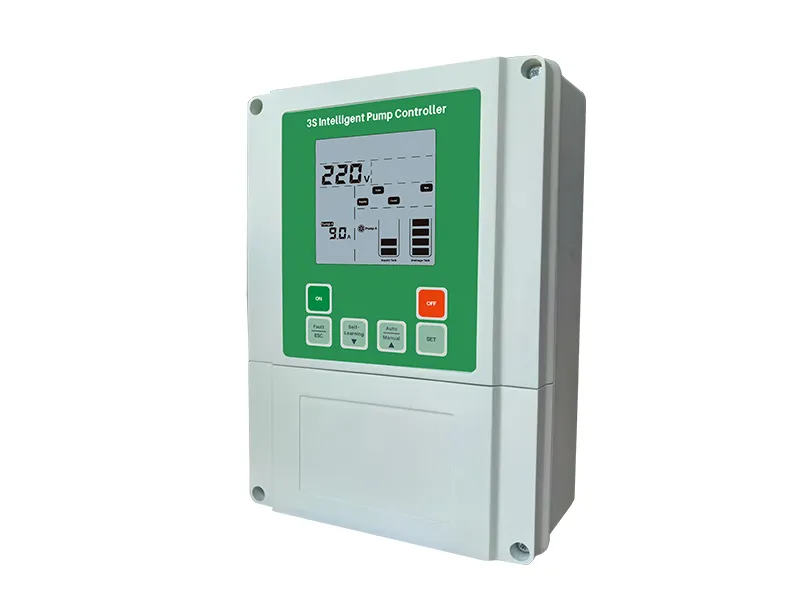
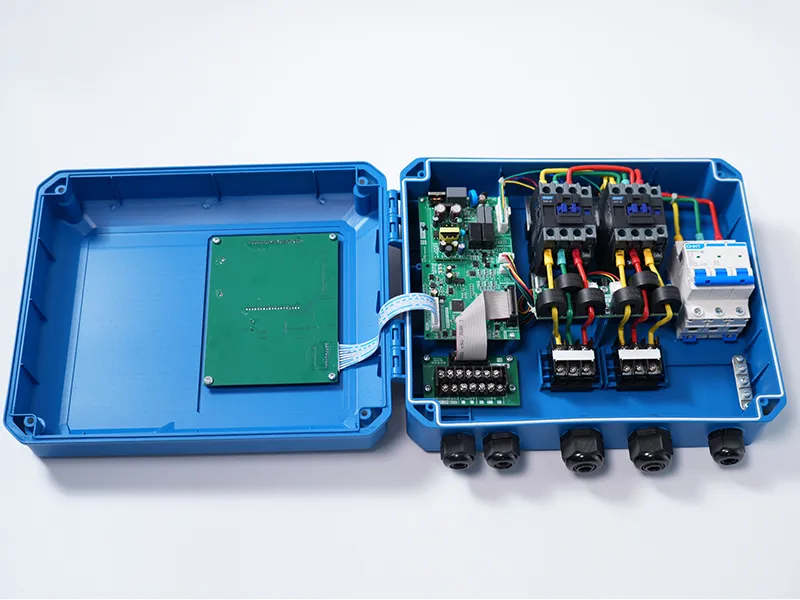
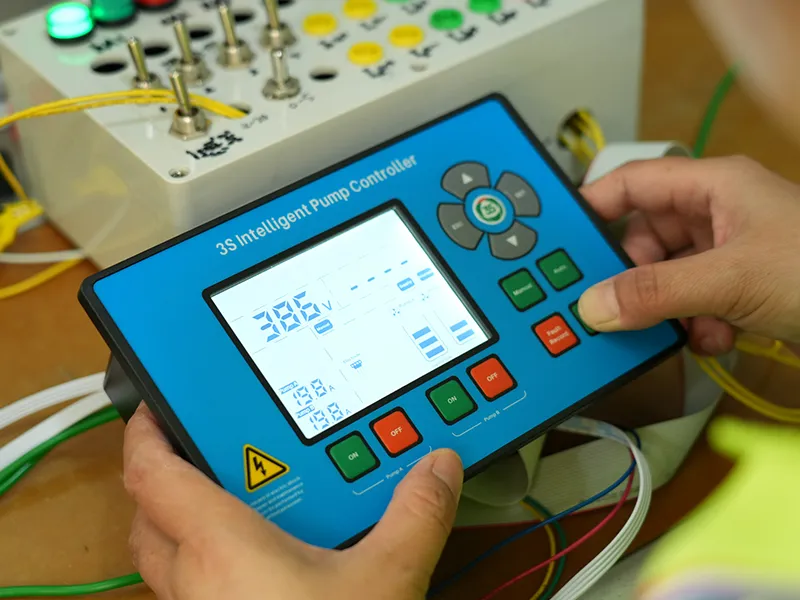
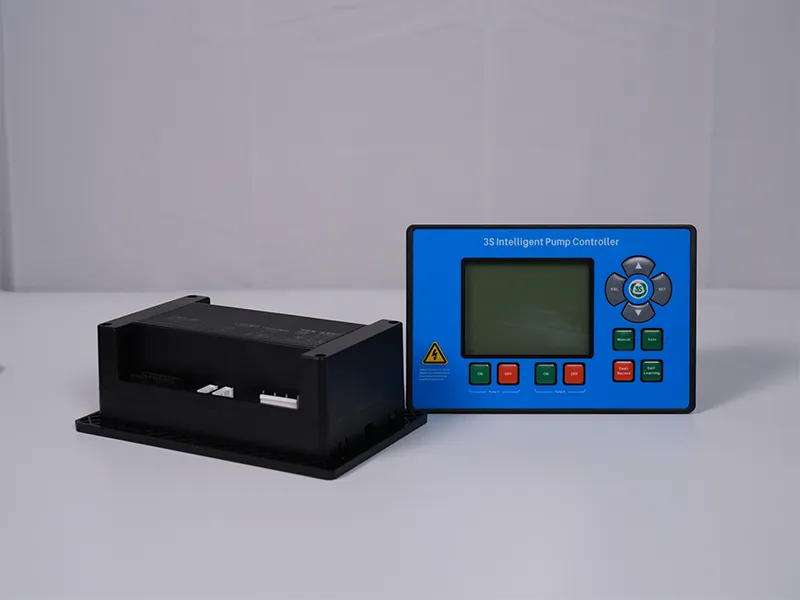
If the Intelligent Pump Controller is compared to a complete "living organism," the control unit is undoubtedly its "brain," responsible for data processing, logical judgment, and issuing commands. At the heart of the control unit lies the processor-acting like the "neural center" that continuously receives real-time data from various signal devices, including critical parameters such as water temperature, pipeline pressure, and water flow rate.
This processor enables the Digital Smart Pump Controller to perform rapid data analysis based on preset operating logic: when an abnormal rise in water temperature is detected, it immediately determines whether to reduce the pump's load; when pipeline pressure drops below the safety threshold, it automatically triggers a pump speed increase command to supplement pressure; when the system is under low load, it precisely adjusts the pump speed to achieve energy-saving operation. It is this data-driven precise judgment that frees the pump from the traditional "blind start-stop" mode, realizing full-condition intelligent control.
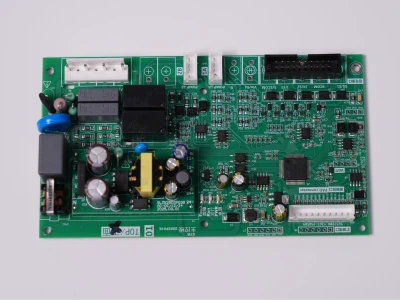
While the control unit is the "commander," relays and contactors are undoubtedly the "executives" that collaborate to achieve precise control of the pump's start-stop circuit-an essential link in ensuring circuit safety.
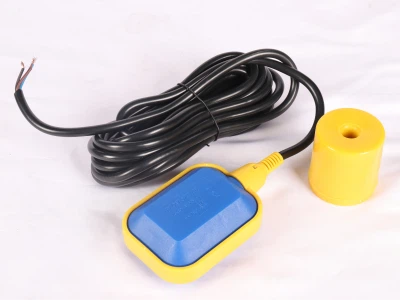
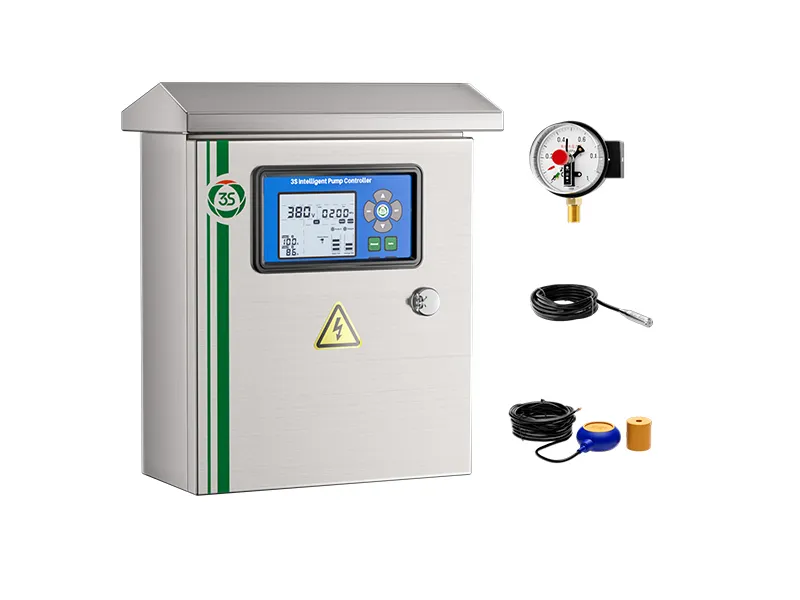
The Digital Smart Pump Controller's ability to make precise judgments corely relies on "first-hand data" provided by signal devices. These devices, like the "eyes" and "ears" of the controller, real-time monitor the system's operational status and provide reliable basis for intelligent decision-making. Based on different monitored parameters, commonly used signal devices are mainly divided into three categories:
1. Temperature Sensors: Specifically monitor the pump and medium water temperature. When the temperature exceeds the safe range (excessively high temperatures may burn the motor, while excessively low temperatures may cause pipeline freezing and cracking), they immediately transmit abnormal signals to the control unit, triggering speed adjustment or shutdown protection commands.
2. Pressure Sensors: Real-time monitor pressure changes in the pipeline. When pressure is too high (may cause pipeline rupture) or too low (may induce cavitation), they promptly feed back data, allowing the Intelligent Pump Controller to stabilize pressure within the safe range by adjusting the pump's operating status.
3. Flow Sensors: Precisely monitor the water volume flowing through the pump. When dry running (may burn the motor) or over-flow operation (may cause equipment overload) occurs, the Digital Smart Pump Controller quickly send alarm signals to ensure the pump operates under reasonable load.
The collaborative work of these signal devices constructs a "safety perception network" for the water pump system, enabling timely detection of every abnormal state and building a solid line of defense for the system's stable operation.
 English
 Español
 русский язык
 Français
 اللغة العربية