Unmanned Pump Control, Choose 3S


 Language
Language
Shanghai 3S Global Company Limited

Spring brings rising humidity, frequent rainfall, and increased lightning activity—creating a challenging environment for pump systems. Whether in agriculture, municipal infrastructure, or industrial applications, unstable pump operation can lead to downtime, higher maintenance costs, and safety risks.
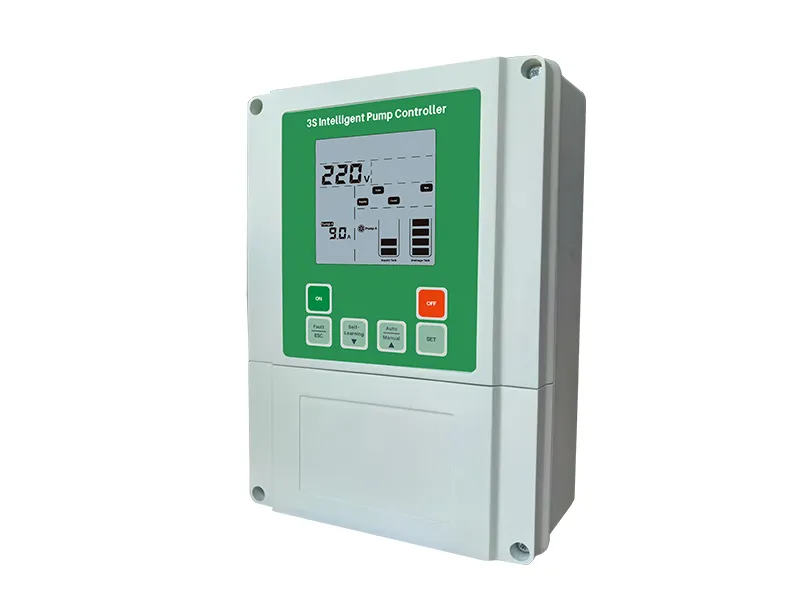
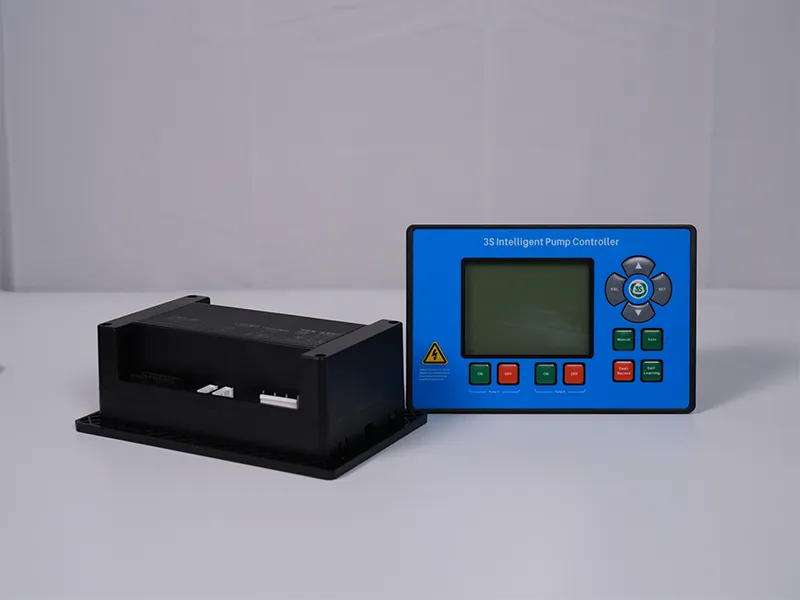
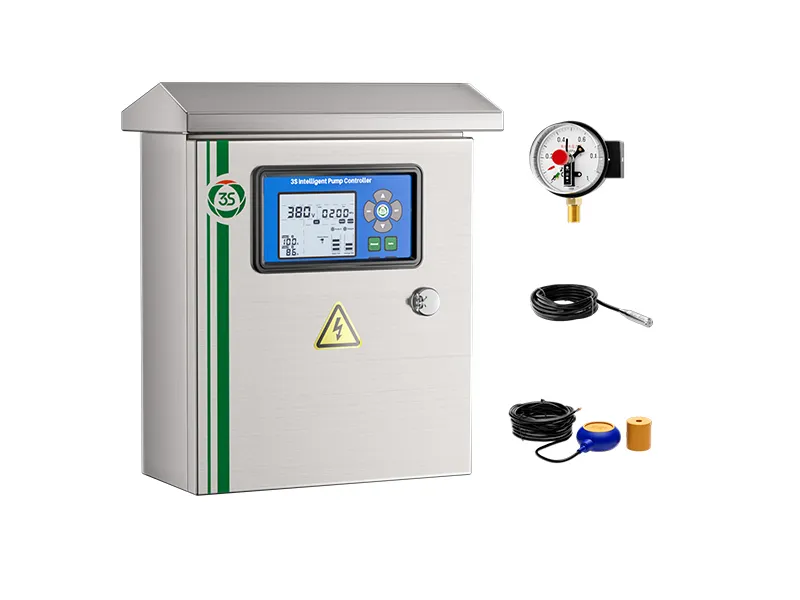
To address these seasonal challenges, this guide outlines five essential maintenance strategies. Combined with smart solutions like the Unmanned IoT duplex pump control panel, operators can significantly improve reliability and reduce on-site workload.
During spring, pump systems are exposed to:
Moisture buildup inside electrical components
Water ingress from rain or flooding
Lightning-induced voltage surges
Reduced operation leading to internal corrosion
These factors make preventive maintenance essential. Intelligent systems such as an Unmanned IoT duplex pump control panel can help monitor and mitigate these risks in real time.
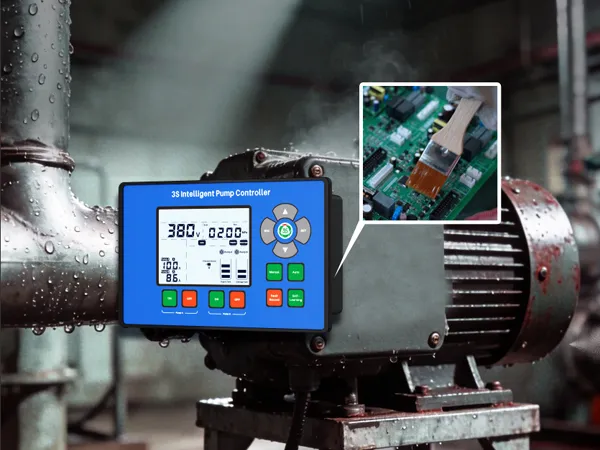
1. Moisture Protection & Short Circuit Prevention
High humidity can lead to condensation inside control panels, increasing the risk of short circuits.
What to do:
Inspect wiring and terminals regularly
Use moisture-resistant components
Improve enclosure ventilation and sealing
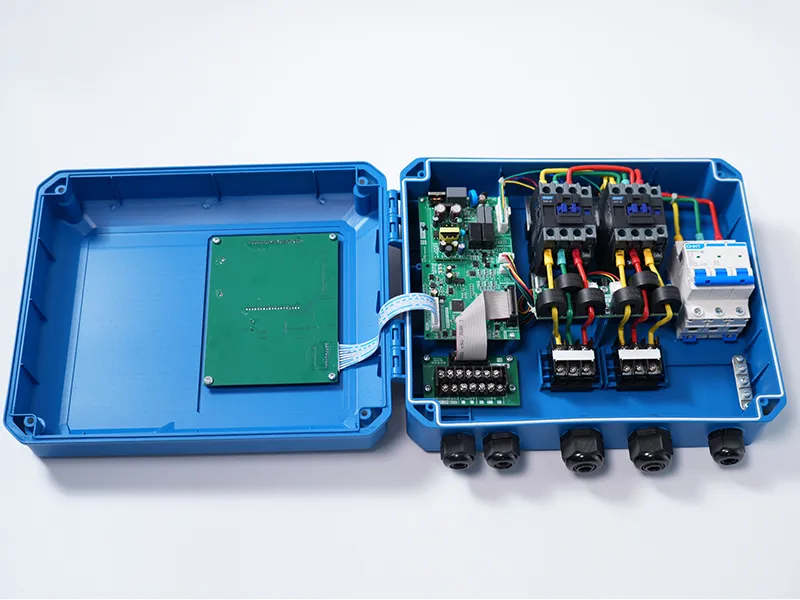
Advanced designs, including those used in an Unmanned IoT duplex pump control panel, help minimize internal moisture risks and improve operational stability.
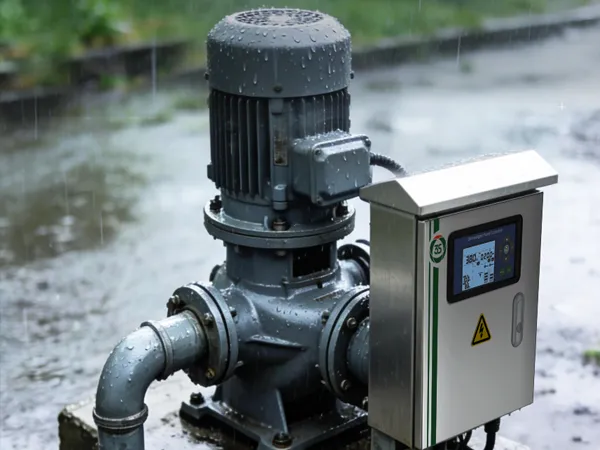
2. Ensure Proper Waterproofing
Outdoor pump systems must be protected against rain and water exposure.
What to do:
Use IP55/IP65-rated control cabinets
Check seals and cable entry points
Avoid installing systems in flood-prone areas
A well-designed control system—such as an Unmanned IoT duplex pump control panel—ensures stable operation even in wet conditions.
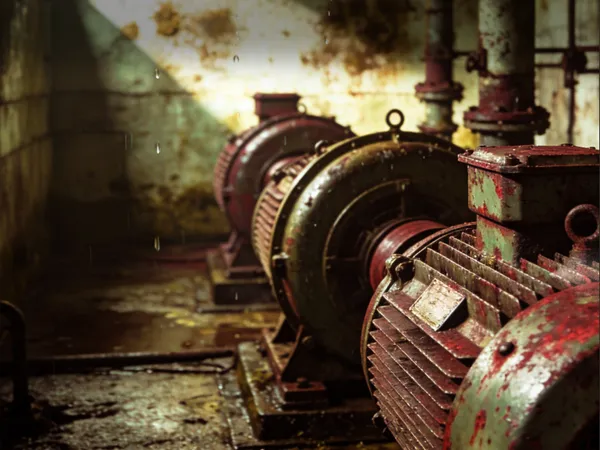
3. Prevent Rust and Corrosion
Spring conditions can accelerate rusting, especially when pumps are not used frequently.
What to do:
Run pumps periodically to prevent stagnation
Use controllers with anti-rust features
Inspect internal components for corrosion
Automated operation supported by an Unmanned IoT duplex pump control panel helps reduce rust-related failures and extend equipment lifespan.
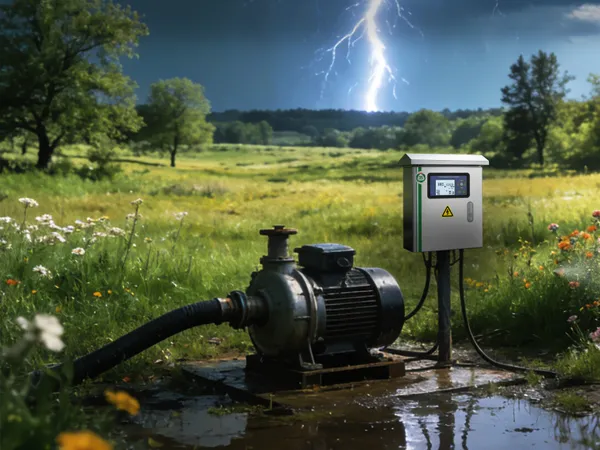
4. Protect Against Lightning Strikes
Thunderstorms pose a serious threat to pump control systems.
What to do:
Install surge protection devices
Ensure proper grounding
Use controllers with built-in protection
Systems like the Unmanned IoT duplex pump control panel integrate protection mechanisms to safeguard both equipment and system continuity.
5. Enable Safe Remote Operation
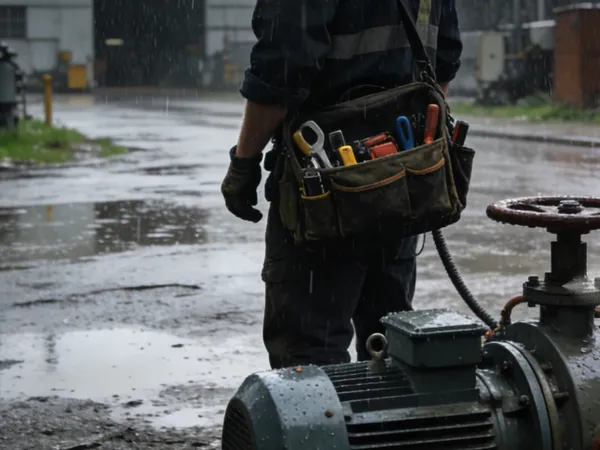
Manual inspection during rainy conditions can be unsafe and inefficient.
What to do:
Implement remote monitoring systems
Enable automatic alarms and fault alerts
Use mobile or cloud-based control platforms
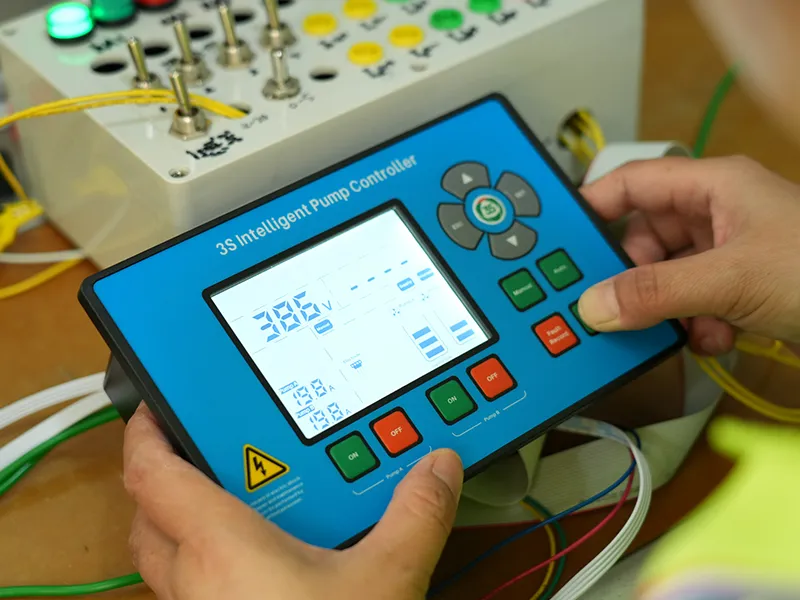
Remote capabilities provided by an Unmanned IoT duplex pump control panel allow operators to manage systems safely without frequent on-site visits.
With the advancement of Internet of Things (IoT) technology, water pump control systems are gradually undergoing an upgrade toward greater intelligence and digitalization. Control systems that integrate remote monitoring, automated protection, and data analysis capabilities are rapidly becoming the industry standard.
Their core advantages include:
Real-time monitoring of equipment operating status
Automatic detection of—and early warning for—anomalous conditions
Reduction in manual operation and maintenance costs
Enhancement of overall system operational efficiency
Such intelligent solutions are particularly critical during high-risk seasons, such as the spring.
Spring presents unique challenges for pump systems, but with the right maintenance practices, these risks can be effectively controlled. By focusing on moisture protection, waterproofing, anti-rust measures, lightning protection, and remote monitoring, operators can ensure stable and efficient performance throughout the season.
 English
 Español
 русский язык
 Français
 اللغة العربية