Unmanned Pump Control, Choose 3S


 Language
Shanghai 3S Global Company Limited

In a dual-pump system, timed pump alternation and duty-standby pump control are two common control strategies. Both determine how two pumps operate, which can make them easy to confuse. However, they serve different purposes. Understanding the difference helps engineers, system integrators, and equipment buyers select the right pump control strategy for their applications.
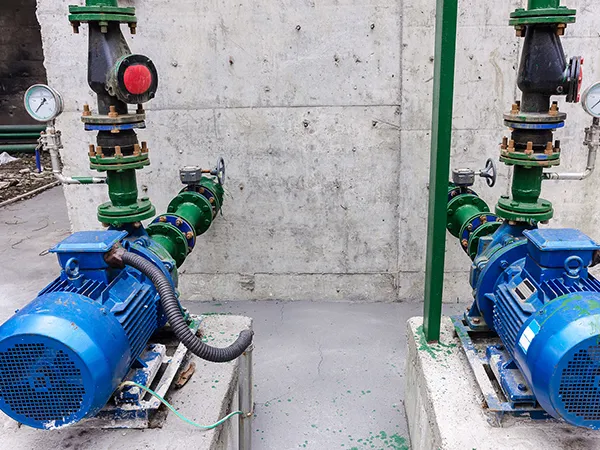
Timed pump alternation focuses on balancing operating time between two pumps, while duty-standby control focuses on providing backup capacity when the duty pump fails or becomes unavailable.
Timed alternation helps prevent one pump from carrying the entire operating load over extended periods, making it easier to balance accumulated running hours. Duty-standby control, by contrast, provides operational redundancy by allowing a standby pump to take over when the duty pump experiences a qualifying fault, helping reduce the impact of equipment failure on water supply or other pumping operations.
These two control strategies are not mutually exclusive. A dual-pump system can combine duty-standby operation with timed alternation, allowing the pumps to exchange duty and standby roles at scheduled intervals while retaining the configured fault-response logic.
Timed pump alternation is a control function in which a pump controller switches the operating roles of two pumps according to a preset time interval or alternation schedule.
For example, in a two-pump water supply system, Pump 1 may operate during the first cycle while Pump 2 remains on standby. Once the configured alternation condition is met, the controller switches the operating roles so that Pump 2 takes the next operating cycle.
This approach offers three main benefits:
Timed pump alternation is useful in water supply, irrigation, and other pumping applications where two pumps need to share operating duties. The appropriate alternation interval depends on system demand, pump operating conditions, and maintenance requirements.
However, timed alternation alone does not guarantee automatic backup operation during a pump failure. Unless the controller also supports the required fault detection and automatic changeover logic, a scheduled role switch does not ensure that the second pump will start when the operating pump fails.
Duty-standby pump control assigns two pumps different roles: a duty pump and a standby pump.
Under normal conditions, the duty pump operates according to the system's start and stop requirements, while the standby pump remains available for backup. If the duty pump experiences a fault covered by the configured control logic, the controller can start the standby pump, provided the standby pump and the associated system conditions permit operation.
The main benefits include:
It is important to note that duty-standby control does not automatically guarantee uninterrupted water supply. Changeover performance depends on the faults the controller can detect, the configured response logic, standby pump availability, and the hydraulic and electrical conditions of the installation.
For applications where continuous water supply is critical, the control design should clearly define fault detection, changeover conditions, alarm functions, and any required interlocks.
The two strategies differ mainly in their control objectives, normal operating sequences, and responses to pump failure.
|
Comparison |
Timed Pump Alternation |
Duty-Standby Pump Control |
|
Primary objective |
Balance operating time between two pumps |
Provide backup pumping capacity |
|
Normal operation |
Switch pump roles according to a preset schedule |
Duty pump operates; standby pump remains available |
|
Main switching condition |
Preset alternation interval or configured schedule |
A qualifying duty-pump fault or loss of availability |
|
Fault changeover |
Requires separate fault-response logic if automatic backup is needed |
Automatic fault changeover must be supported and configured |
|
Main benefit |
More balanced operating hours and easier maintenance planning |
Greater operational redundancy and reduced impact of pump failure |
When selecting a control strategy, start by identifying the application's primary requirement.
If the priority is to distribute operating hours between two pumps, timed alternation may be appropriate. If the priority is to bring a standby pump into operation when the duty pump fails, choose a duty-standby solution with the required fault detection and automatic changeover functions.
For applications that require both balanced operating hours and backup capability, the two strategies can be combined. The controller can periodically exchange the duty and standby roles while retaining the configured fault-response logic.
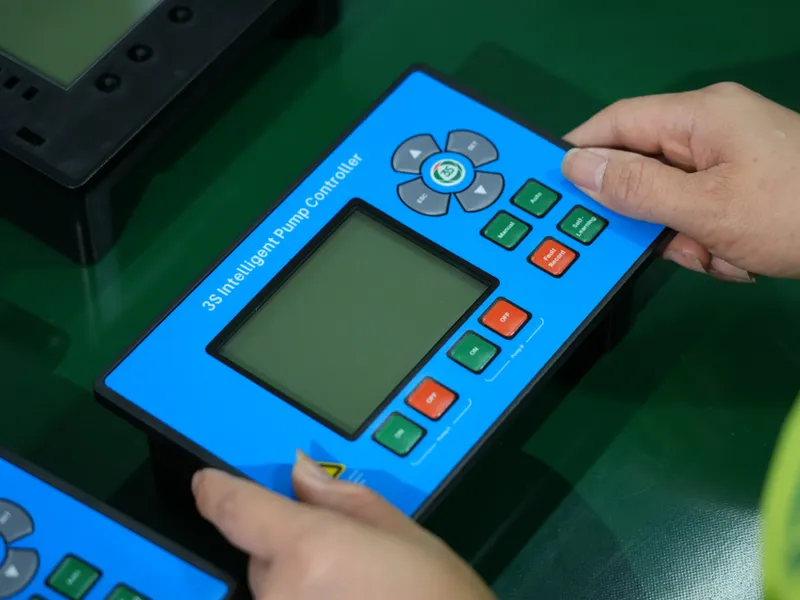
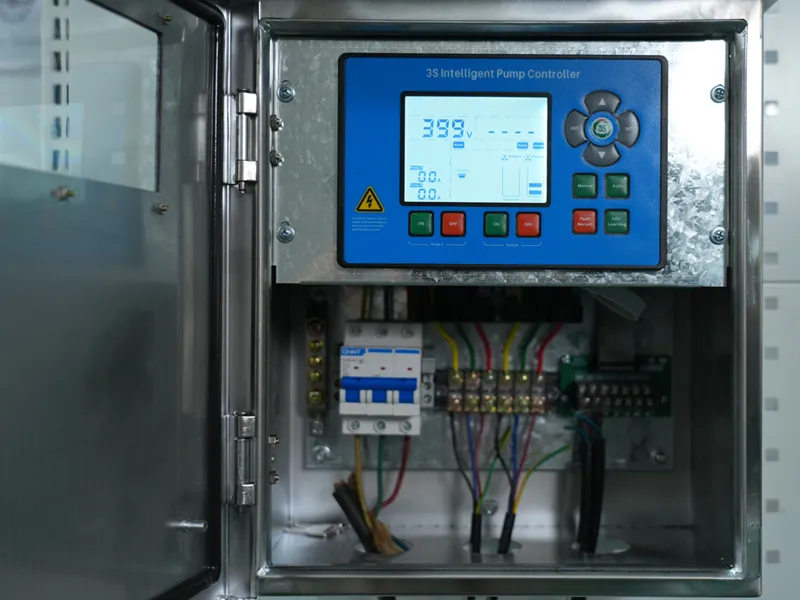
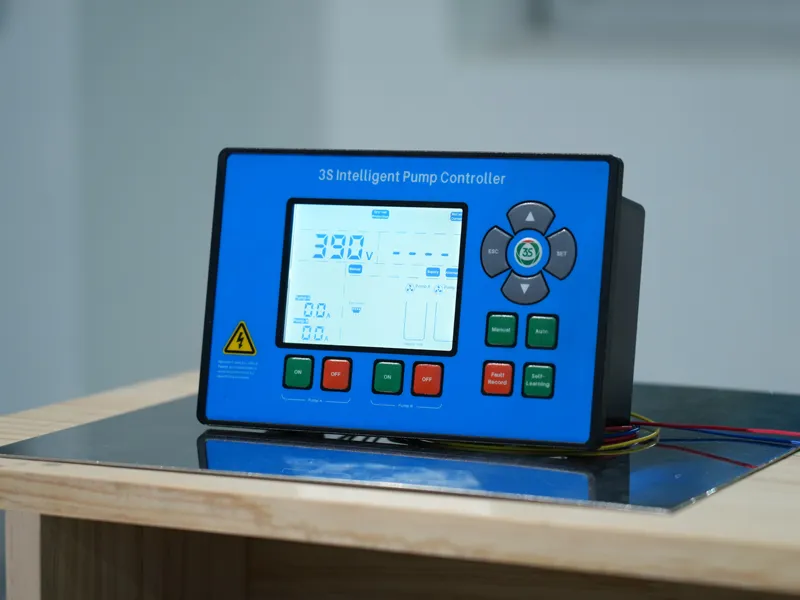
Once the control strategy has been defined, the next step is to verify that the selected duplex pump controller supports the functions required by the application.
First, check the available operating modes, including duty-standby operation, timed alternation, and any other required dual-pump control functions.
Second, review the fault detection and protection capabilities. Confirm which conditions the controller can detect, such as overload or phase failure, and whether the configured control logic allows automatic changeover when a fault occurs.
Other important considerations include motor nameplate ratings, sensor inputs, automatic and manual operating modes, alarm functions, and environmental conditions at the installation site. These factors all affect the suitability of a controller for a particular pumping system.
For water supply, irrigation, and industrial pumping applications, selecting a control strategy involves more than determining when each pump starts and stops. It also requires consideration of fault response, equipment availability, and maintenance needs to achieve the appropriate balance between operational reliability and equipment management.
Timed pump alternation and duty-standby pump control serve different but complementary purposes in dual-pump systems. Timed alternation helps balance operating duties, while duty-standby control provides backup capability and supports operational redundancy.
The right strategy depends on the application's requirements: balancing pump operating hours, responding to pump failures, or achieving both objectives through a combined control scheme.
3S Global provides dual-pump control solutions for a range of pumping applications. Depending on the controller model and configuration, available functions may include duty-standby operation, timed alternation, and other dual-pump control features. When selecting a controller, consider the motor specifications, required operating modes, protection functions, and site conditions to identify the most suitable solution for your system.


 English
 Español
 русский язык
 Français
 اللغة العربية