Unmanned Pump Control, Choose 3S


 Language
Shanghai 3S Global Company Limited

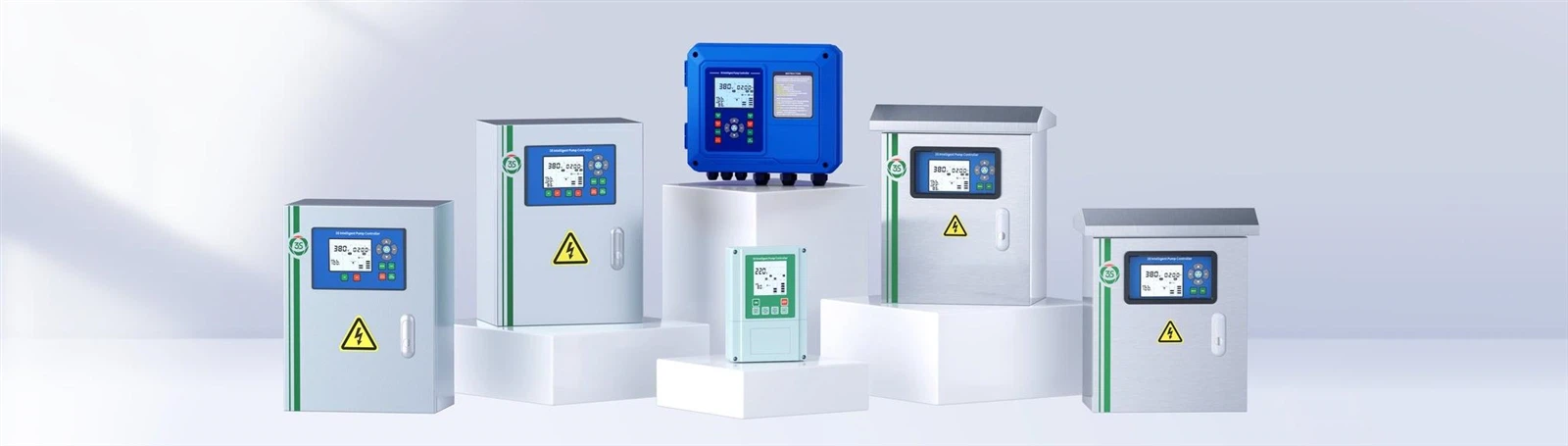
The story of the water motor starter dates back to the roaring era of the 19th-century Industrial Revolution. At that time, factories and mines relied entirely on water pumps for water supply and drainage, but the control method was extremely primitive-operators had to be on duty 24 hours a day, closely monitoring water levels and working conditions, and manually toggling switches to start or stop the pumps. This not only consumed a huge amount of labor costs but also often led to water overflow, water shortage, and even production interruptions due to delayed responses.
Demand is the driving force behind technological innovation. With the breakthrough of electrical technology in industrial applications, water pump control ushered in its first "revolution": people began to try to replace pure manual operation with simple electrical components, and the prototype of the water motor starter was thus born, laying the groundwork for subsequent automation development.
The 20th century was a crucial stage for the water motor starter to evolve from "manual" to "automatic", with technological breakthroughs showing a clear stepped upgrade.
In the early 20th century, the emergence of electric control systems rewrote the logic of water pump control. The combination of simple electric switches and basic circuits allowed operators to start or stop the water pump just by pressing a button, completely bidding farewell to the tiring on-duty mode of "running back and forth". Although this breakthrough was basic, it laid a hardware foundation for subsequent complex control.
By the mid-20th century, the popularization of relays and contactors became a new technological turning point. These core components endowed the water motor starter with the ability of "logical judgment"-by presetting circuit parameters, the controller could automatically trigger the start and stop of the water pump according to basic signals such as water level and pressure, without manual intervention. For example, in a factory's water storage tank, the water pump automatically starts when the water level drops to the threshold and stops when it rises to a safe level. This "on-demand operation" mode greatly improved the efficiency and safety of equipment operation.
If the progress in the 20th century was the improvement of "automation", then the current transformation is a leap forward in "intelligence"-the core of all this lies in the in-depth integration of sensor technology and water pump control systems.
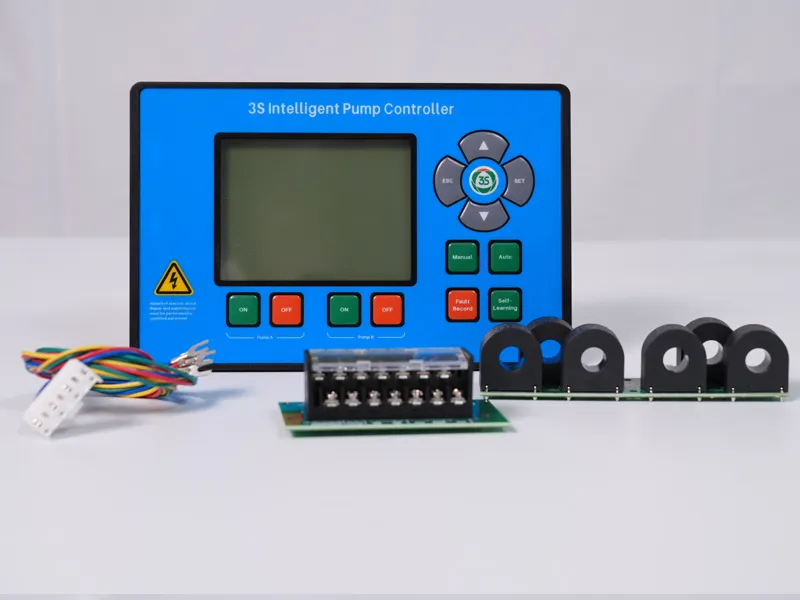
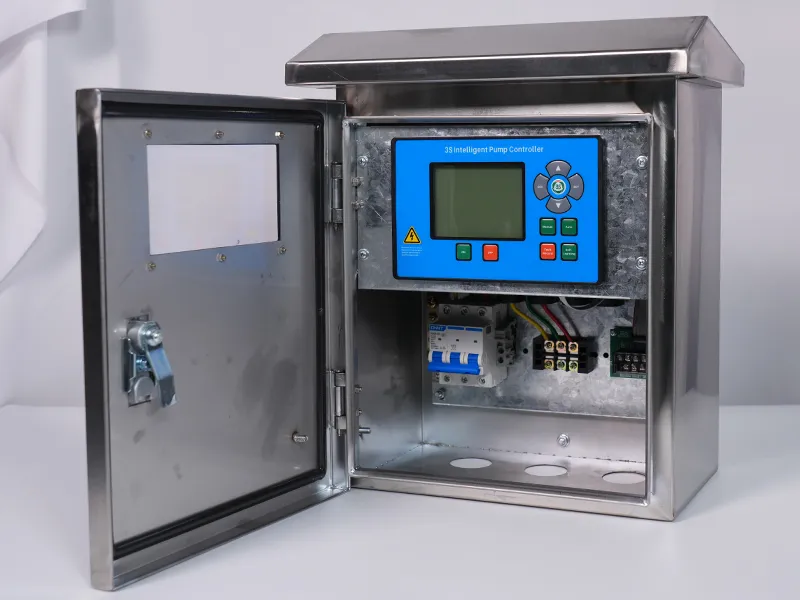
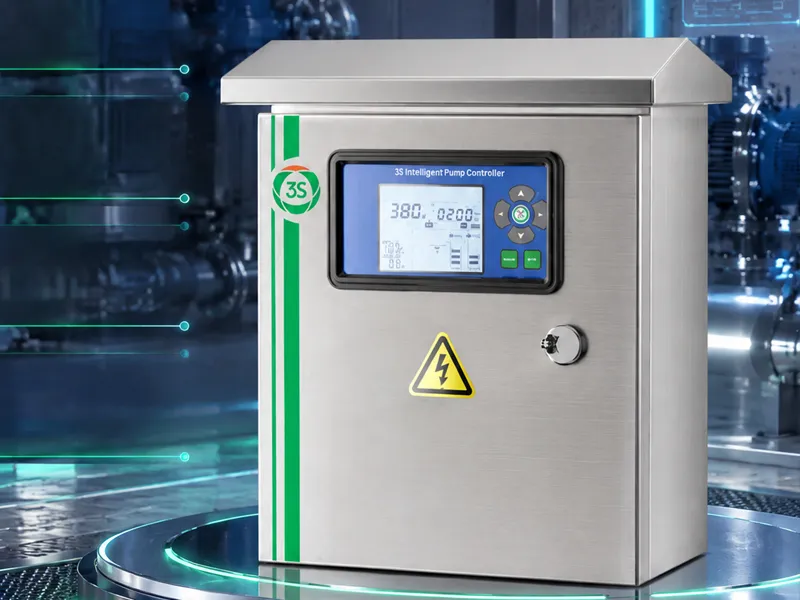
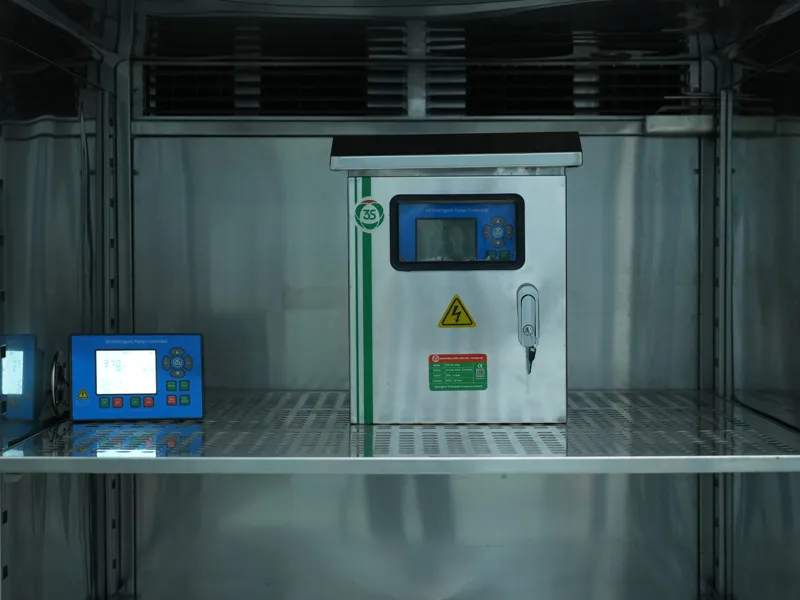
Today's intelligent water motor starter is no longer a simple "switch tool", but an intelligent terminal integrating "monitoring-analysis-regulation". Intelligent sensors, like its "nerve endings", can capture multi-dimensional data such as water level, pipeline pressure, and water flow rate in real-time; the control system, as the "brain", quickly processes this data through algorithms and dynamically adjusts the operating power and start-stop timing of the water pump.
Taking the domestic water supply scenario as an example, the intelligent water motor starter can automatically adjust the water pump output according to peak and off-peak water consumption periods, avoiding sudden rises and falls in water pressure; in industrial scenarios, it can accurately match the water demand for production, reducing energy waste. This "data-driven" water pump control method not only completely liberates manpower but also raises the efficiency of water and energy utilization to a new height.
From mechanical switches to electric control, and then to today's intelligent systems, the evolutionary history of the water motor starter is essentially a history of human struggle to solve "water management problems" with technology. Throughout this long journey, 3S has always focused on one goal-creating the world's top water pump control.
We deeply understand that an excellent controller not only needs to keep up with technological trends but also be rooted in user needs. Whether it is the stable water supply demand for industrial production or the convenient water experience for domestic life, 3S polishes its products with strict standards, integrating cutting-edge technologies such as the Internet of Things and artificial intelligence into the design to make the equipment more intelligent and reliable.
In the future, with the continuous iteration of technology, water pump control will achieve greater breakthroughs in energy conservation, remote control, fault early warning, and other aspects. 3S will continue to walk with every user, using professional strength to make water management more efficient and bring a high-quality life within reach.
 English
 Español
 русский язык
 Français
 اللغة العربية