Unmanned Pump Control, Choose 3S


 Language
Language
Shanghai 3S Global Company Limited

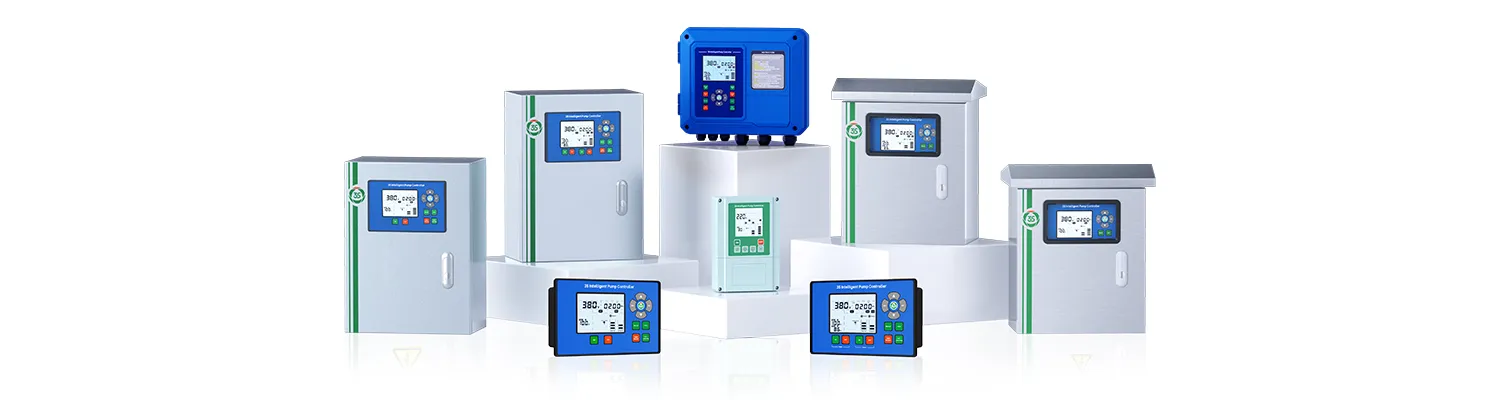
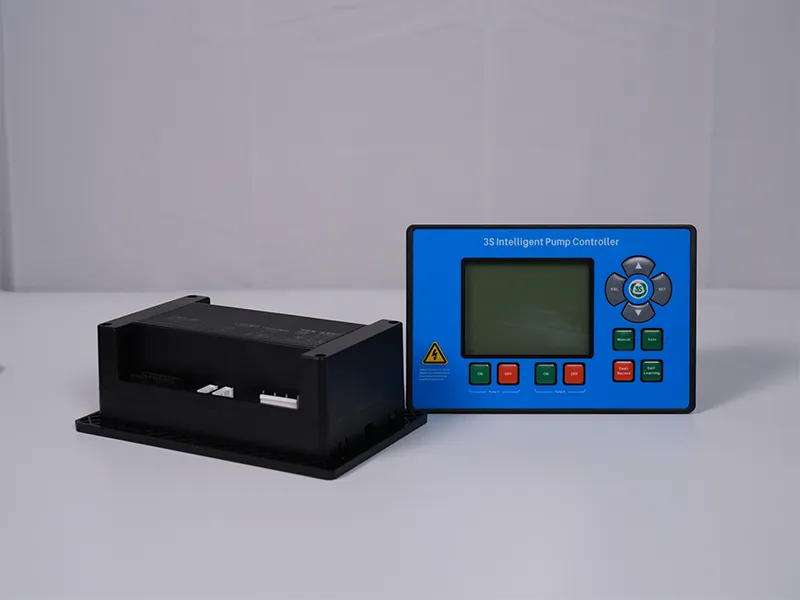
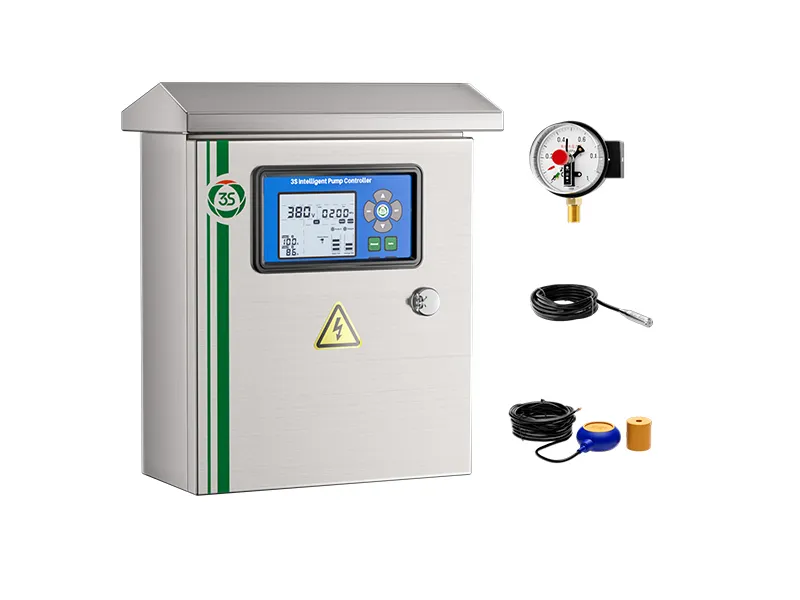
In a pump control system, the motor starter control box acts as the system’s “brain,” coordinating commands to ensure efficient and stable equipment operation. To help you better manage your equipment, extend its lifespan, and reduce failure rates, today we will delve into the core maintenance methods for pump controllers from three key aspects: regular cleaning, professional inspection, and record tracking.
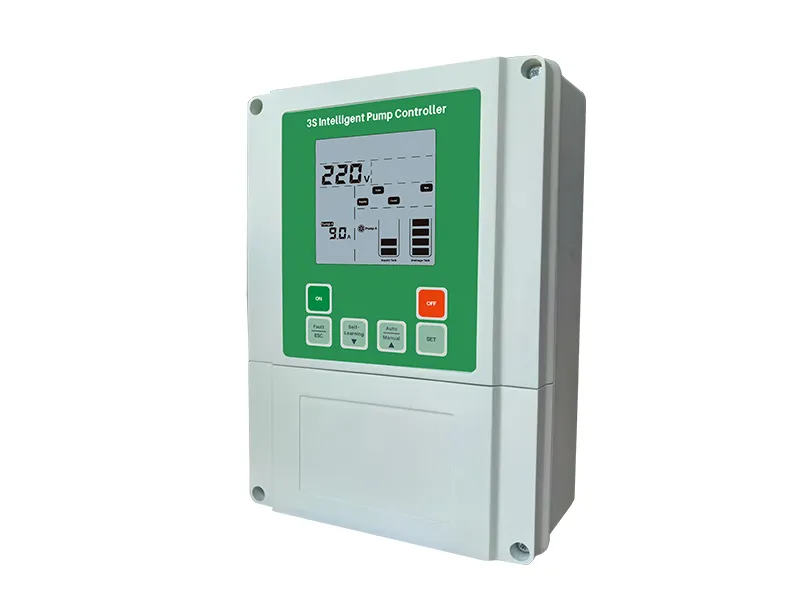
Cleaning is the first step in maintenance, but safety is always the priority. Before any cleaning operation, be sure to cut off the power and avoid using liquid cleaners to prevent the risk of electric shock. The surface of pump controllers is prone to dust accumulation. It is recommended to gently wipe them every two weeks with a soft, dry cloth or brush, paying special attention to the cooling vents. Regularly check if the cooling fan is operating normally to maintain proper ventilation, preventing dust blockage that could trigger overheating protection and affect system operation. If the controller is in a humid environment, regularly inspect its seals to prevent moisture ingress, which can cause internal circuit short circuits or corrosion. For industrial stormwater pump controllers, which often operate outdoors, such regular cleaning and sealing checks are the first line of defense against environmental damage.
Professional inspections should be carried out by qualified electrical personnel using insulated tools (such as a multimeter) to ensure operational safety. Be sure to cut off the power before inspection and follow the process below:
Appearance and Connections: Check the power terminals and output terminals for looseness, overheating, or signs of burning.
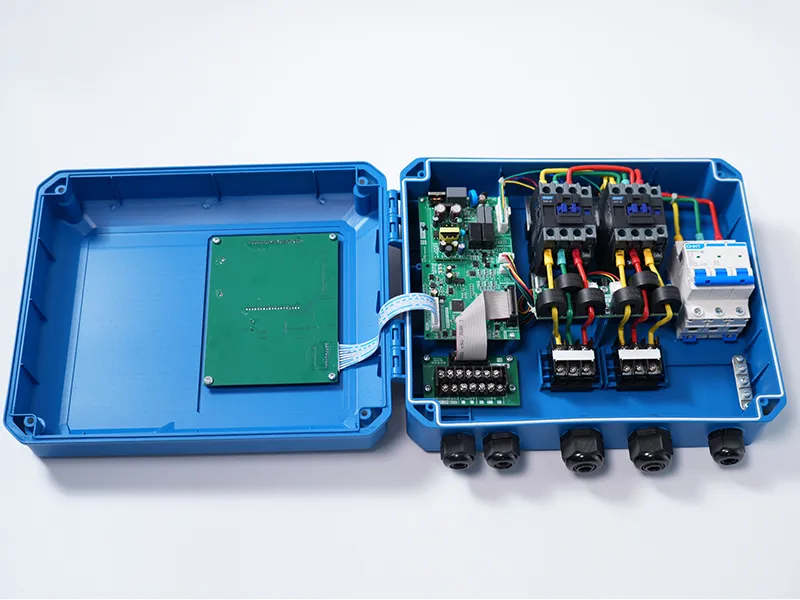
Internal Diagnostics: Open the housing and observe the circuit board for signs of charring, odor, or corrosion.
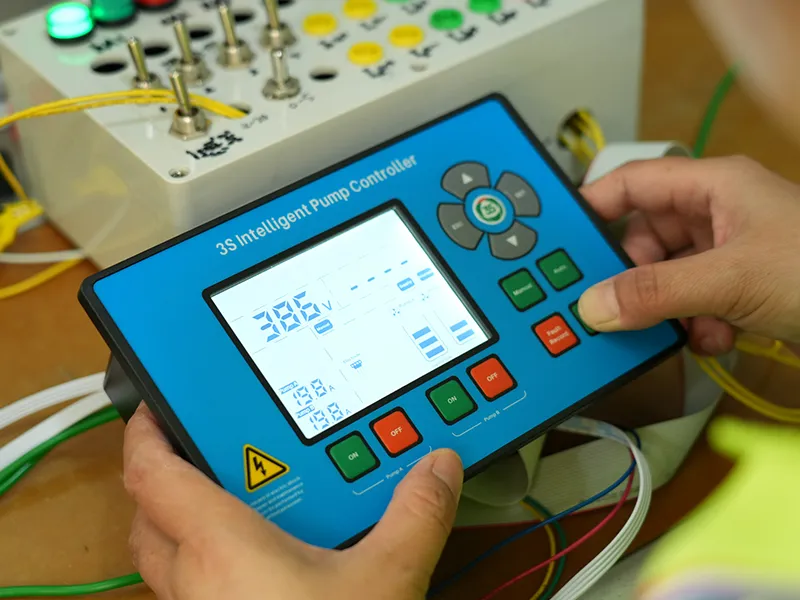
Status Indication: Confirm that the indicator lights are functioning normally, with no alarms or abnormal flashing.
Parameter Measurement: Use a multimeter to measure input and output voltages to ensure they are stable and meet specifications.
Signal System: Check that the signal device wiring is secure, undamaged, and functioning correctly.
This type of professional inspection is especially crucial for industrial stormwater pump controllers used in complex environments, as it effectively prevents sudden failures caused by environmental factors, ensuring reliable response during critical conditions like heavy rainfall. Meanwhile, a compact motor starter control box also requires strict electrical parameter measurement to ensure accurate motor start-stop logic. When dealing with multiple industrial stormwater pump controllers operating in coordination, systematic professional inspections help you identify potential issues early, preventing a single point of failure from affecting the entire drainage network.
Good record-keeping is key to efficient maintenance, yet it is often overlooked. After each inspection, it is recommended to record the inspection date, operation content, problems found, and parts repaired or replaced. Records can be kept on paper forms or in electronic formats like Excel or system backends. In the long run, these records help us identify equipment operation patterns and provide early warnings of potential issues. With a complete set of maintenance records, even for a technically complex motor starter control box, you can quickly locate historical issues and reduce redundant troubleshooting time. Moreover, when records are maintained across all industrial stormwater pump controllers in a facility, patterns such as recurring alarm triggers or component degradation become visible, enabling more precise predictive maintenance for each motor starter control box.
The health of the industrial stormwater pump controllers is directly related to the stable operation of the entire system. Through the three-step maintenance method of regular cleaning, professional inspection, and detailed records, you can not only effectively reduce the frequency of manual inspections and maintenance workload but also significantly improve equipment operational reliability. A pump controller with fault records is a vital cornerstone for achieving predictive maintenance and ensuring production continuity. Whether you are managing a single motor starter control box, consistent maintenance backed by accurate records will keep your system running at its best. Let’s start today by diligently caring for the system’s “brain” and jointly embark on a path toward smarter and more efficient equipment management.
 English
 Español
 русский язык
 Français
 اللغة العربية