Unmanned Pump Control, Choose 3S


 Language
Language
Shanghai 3S Global Company Limited

In real-world pumping systems, different pump types require completely different control strategies. Selecting the wrong control logic can lead to nuisance trips, frequent failures, reduced efficiency, and even irreversible equipment damage.
Submersible pumps, centrifugal pumps, self-priming pumps, and sewage pumps all operate based on different physical principles. Their cooling methods, startup conditions, and operational risks vary significantly. Therefore, choosing the right Unmanned Smart Pump Controller is essential to ensure safe, reliable, and efficient operation.
In this article, we'll break down the specific controller requirements for each pump type.
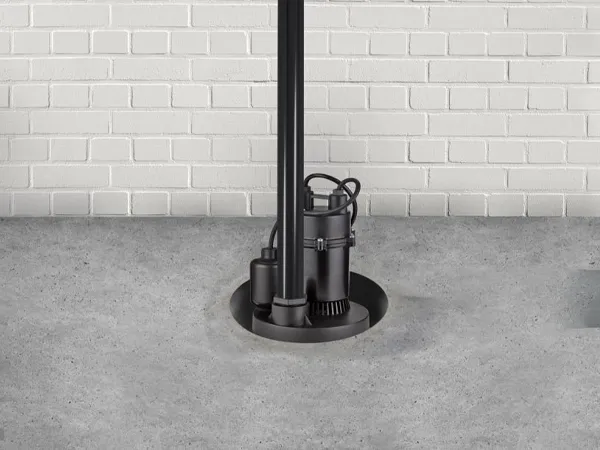
How Submersible Pumps Work
Submersible pumps are commonly used in deep wells, groundwater extraction, and water supply systems. The motor operates fully submerged and relies on the surrounding water for cooling. Because of this design, water level management is critical.
Main Risk: Motor Overheating
When the water level drops below the safe operating point, cooling efficiency rapidly decreases. Continuous operation under these conditions can cause insulation degradation and eventually burn out the motor.
Controller Requirements
A properly designed Unmanned Smart Pump Controller for submersible pumps should include:
Selection Tip:
For submersible pump applications, low-level protection and dry-run prevention are mandatory. Overload protection alone is not sufficient.
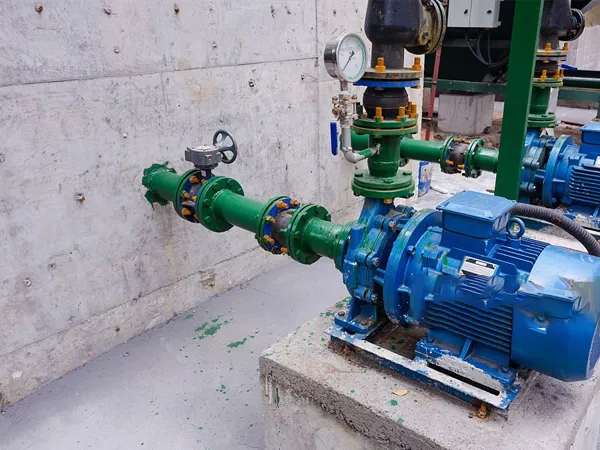
How Centrifugal Pumps Work
Centrifugal pumps are widely used in pressure boosting systems, municipal water distribution, industrial circulation systems, and irrigation networks. They rely on a rotating impeller to generate centrifugal force and move water efficiently.
Main Risk: Cavitation and Dry Running
Before startup, the pump casing must be completely filled with water. If air enters the suction line or the pump starts without proper priming, cavitation may occur, leading to impeller damage, seal failure, and reduced performance.
Controller Requirements
An advanced Unmanned Smart Pump Controller should provide:
Selection Tip:
Look for controllers with pressure feedback and intelligent water-loss delay functions rather than relying solely on traditional pressure switches.
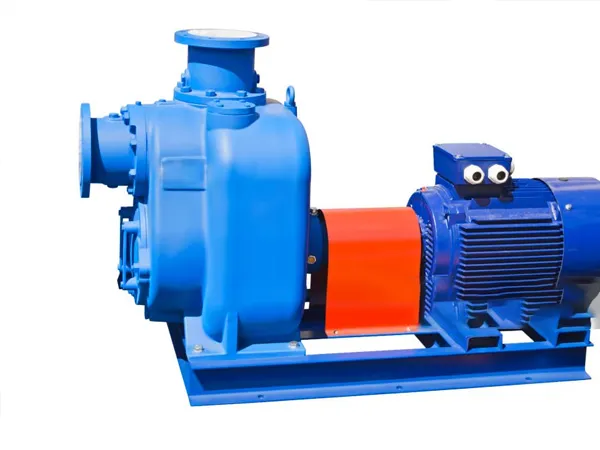
How Self-Priming Pumps Work
Self-priming pumps are popular in residential water supply systems, agricultural irrigation, and light-duty pumping applications. Although they can automatically re-prime under normal conditions, the initial startup still requires proper priming, and airtight suction piping remains essential.
Main Risk: Mechanical Seal Wear and Frequent Start-Stop Cycles
Air leaks, insufficient water supply, or prolonged failure to establish suction can cause mechanical seals to run dry and wear prematurely.
In addition, self-priming pumps are often paired with pressure tanks. Poor pressure settings can cause excessive start-stop cycles, significantly reducing motor and capacitor lifespan.
Controller Requirements
A reliable Unmanned Smart Pump Controller should support:
Selection Tip:
Controllers with adjustable pressure settings and intelligent dry-run protection can dramatically extend the service life of both motors and mechanical seals.
How Sewage Pumps Work
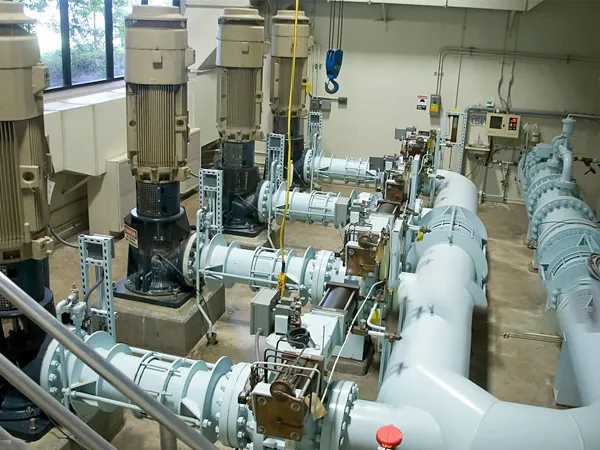
Sewage pumps are commonly used in wastewater treatment facilities, lift stations, septic systems, and drainage applications. Because they handle liquids containing fibers, solids, and high-viscosity materials, they face unique operational challenges.
Main Risk: Impeller Blockage and Motor Burnout
Foreign objects can easily become entangled around the impeller, causing the motor to stall and draw excessive current.
Traditional float switches may also become tangled, resulting in false starts, missed shutdowns, or continuous operation.
Controller Requirements
For sewage applications, an Unmanned Smart Pump Controller should provide:
Selection Tip:
Choose a dedicated sewage pump controller that combines stall protection, overload protection, and intelligent level management for maximum reliability.
Different pump types require different protection strategies. A one-size-fits-all approach often results in poor reliability and shortened equipment life.
|
Pump Type |
Key Control Focus |
Consequences of Incorrect Logic |
|
Submersible Pump |
Dry-run protection + low-level protection |
Motor overheating and burnout |
|
Centrifugal Pump |
Priming verification + water shortage protection |
Cavitation and impeller damage |
|
Self-Priming Pump |
Pressure differential control + anti-cycling logic |
Seal wear and motor failure |
|
Sewage Pump |
Stall protection + overload protection + level control |
Pump blockage and motor burnout |
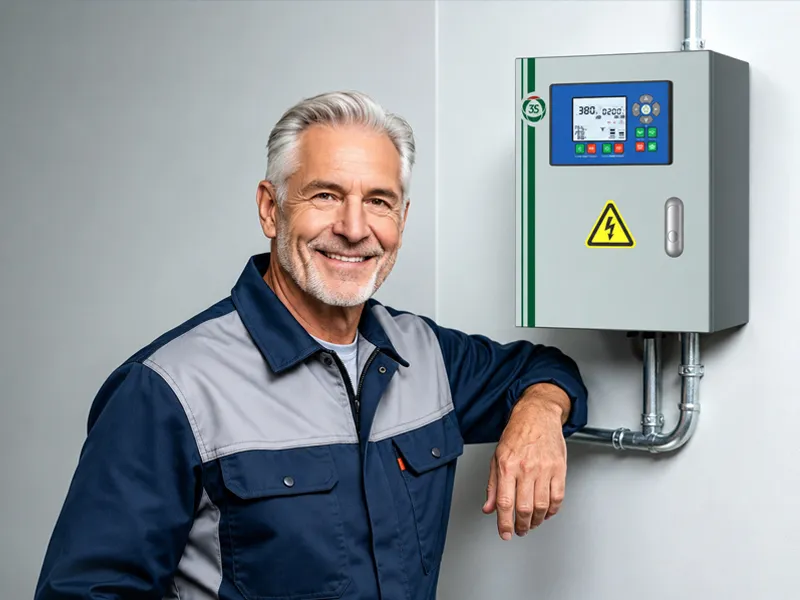
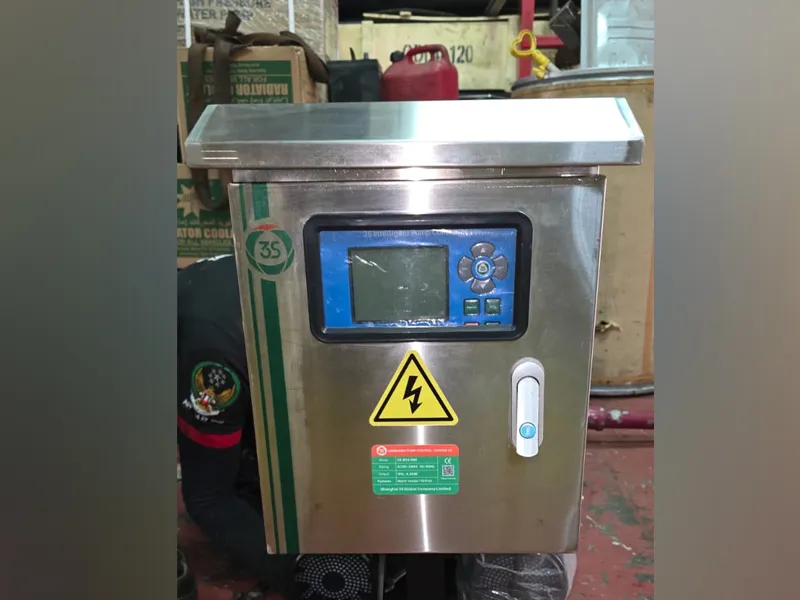
Today's Unmanned Smart Pump Controller technology transforms these specialized protection requirements into automated control strategies. By continuously monitoring operating conditions and applying application-specific logic, an Unmanned Smart Pump Controller enables safer operation, longer equipment life, reduced maintenance costs, remote monitoring, and truly unattended pump station management.
 English
 Español
 русский язык
 Français
 اللغة العربية