Unmanned Pump Control, Choose 3S


 Language
Language
Shanghai 3S Global Company Limited

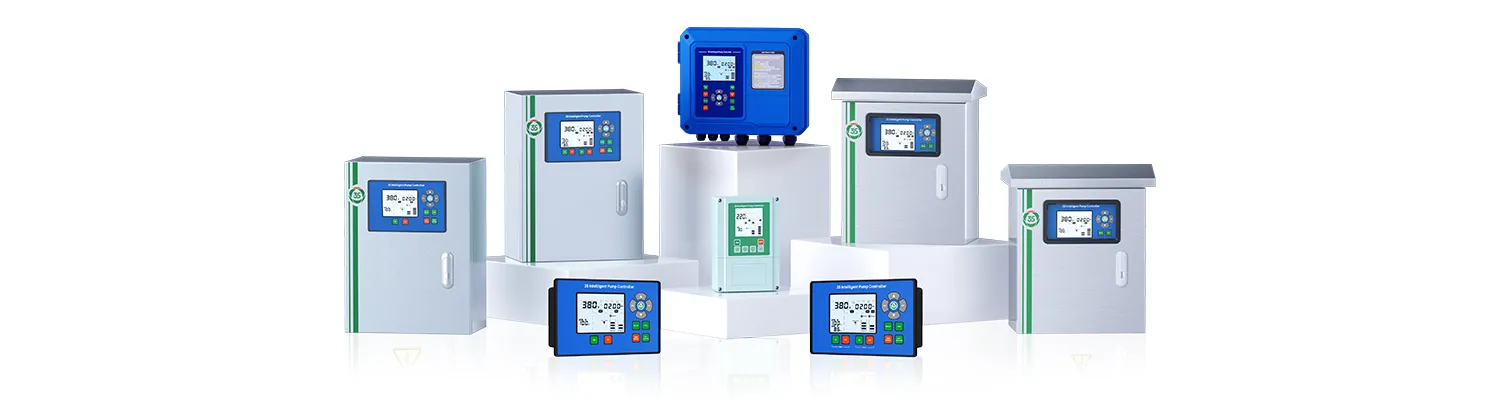
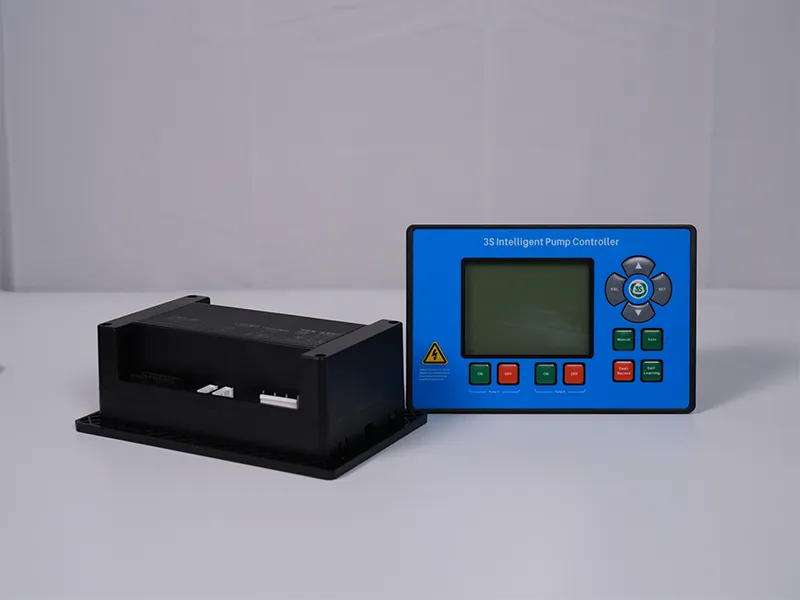
With the rapid development of industrial water treatment, commercial purification systems, and seawater desalination technologies, Reverse Osmosis (RO) systems have become a vital part of modern water treatment solutions. As one of the core components of an RO system, the high-pressure pump provides the pressure required for membrane filtration, while the Pump Control Box plays a critical role in automation, equipment protection, and intelligent system management.
RO systems require precise control of pressure, flow rate, and operating stability. Relying solely on manual operation can reduce efficiency and increase the risk of equipment damage under abnormal conditions. As a result, more RO equipment manufacturers and system integrators are adopting intelligent Pump Control Box solutions to achieve automated operation and remote management.
An RO (Reverse Osmosis) system uses semi-permeable membrane technology to separate impurities from water. By applying pressure, water molecules pass through the RO membrane while salts, bacteria, heavy metals, and other contaminants are removed, producing high-quality purified water.
A typical RO system consists of:
Among these components, the high-pressure pump and control system have a direct impact on overall system efficiency, reliability, and service life.
1. Automatic Start and Stop Control
During RO system operation, pumps must start and stop automatically according to water tank levels, pressure conditions, or water demand.
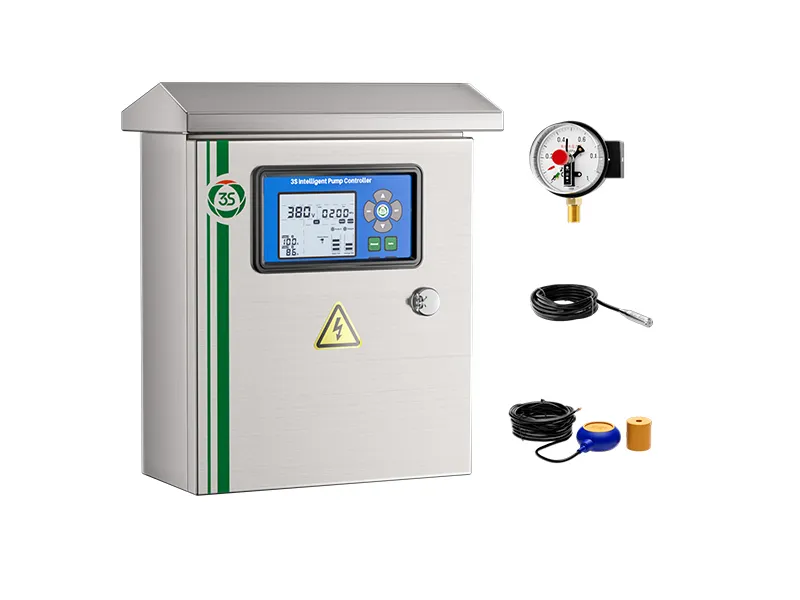
An intelligent Pump Control Box can receive signals from float switches, pressure sensors, and other devices to enable:
This significantly reduces manual intervention while improving energy efficiency.
2. Constant Pressure Control
RO membrane performance depends heavily on maintaining stable feed-water pressure.
Excessive pressure fluctuations can lead to:
By continuously monitoring system pressure, a Pump Control Box can work together with variable frequency drive (VFD) technology to maintain constant pressure, ensuring the RO system operates under optimal conditions.
3. Dry-Run Protection
RO systems often draw water from tanks, reservoirs, or groundwater sources.
If the water source becomes insufficient and the pump continues running, dry-running may occur, resulting in:
Through liquid-level monitoring, current detection, or pressure analysis, the Pump Control Box can identify water shortage conditions and automatically stop the pump to prevent costly equipment failures.
4. Water Level Management and Tank Coordination
Many RO projects require simultaneous management of raw water tanks, intermediate storage tanks, and purified water tanks.
By integrating float switches or level sensors, the controller can provide:
These functions greatly improve the automation level of the entire water treatment process.
Implementing a smart Pump Control Box offers numerous advantages for RO applications:
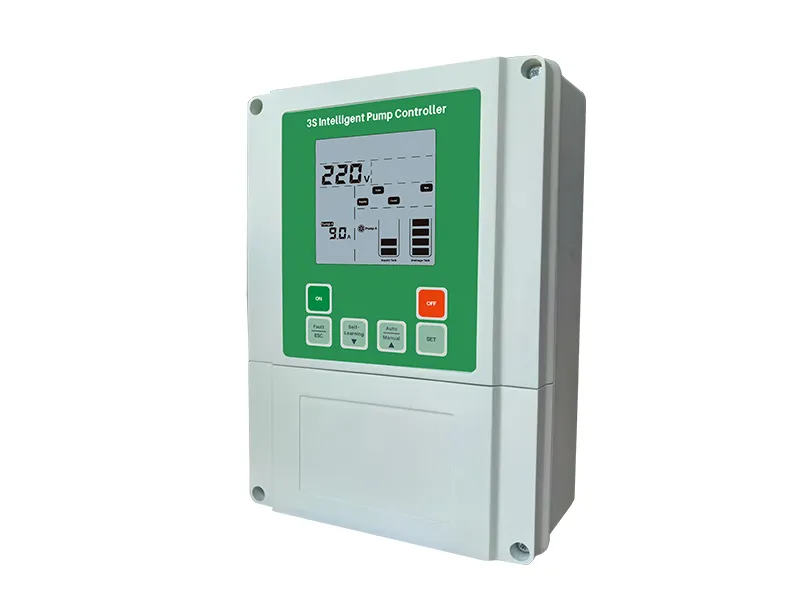
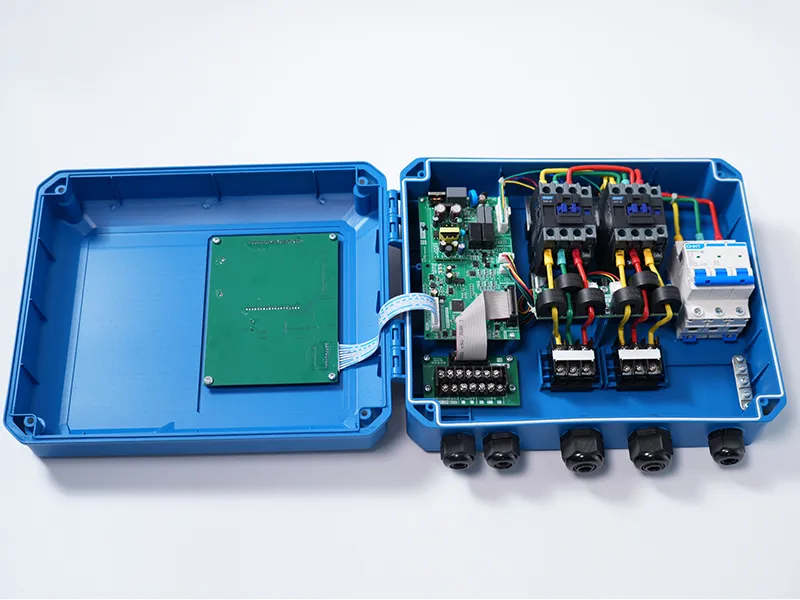
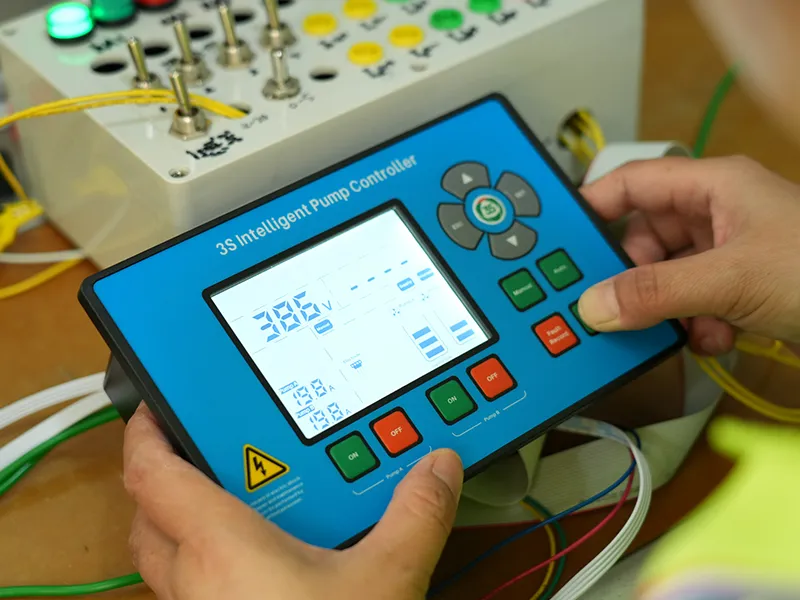
In an RO system, the high-pressure pump provides the driving force, while the control system ensures safe, efficient, and reliable operation. Through automatic control, equipment protection, constant-pressure management, and remote monitoring capabilities, modern pump controllers significantly enhance overall system performance.
As smart water management and Industrial Internet of Things (IIoT) technologies continue to evolve, intelligent pump control solutions will become increasingly important. Future-ready Pump Control Box systems equipped with remote monitoring, data analytics, and predictive maintenance functions will help users achieve safer, more efficient, and smarter water treatment operations.
By integrating advanced control technology into RO systems today, businesses can improve reliability, reduce operating costs, and build a stronger foundation for sustainable water management in the future.
 English
 Español
 русский язык
 Français
 اللغة العربية