Shanghai 3S Global Company Limited

Company News

Sewage Treatment Pump Controller,ODM Water Pump Starter,Jockey Pump Controller,High Reliability Pump Control

Composition Of Pump Control System

Date: 2023-06-18
In today's era of increasingly refined water resource management, the level of automation and intelligence of water treatment systems directly determines operational efficiency and energy-saving effects. As the "central nervous system" of water treatment, the pump control system is reshaping the water management model with its "monitoring-feedback-control" closed-loop capability. How exactly does it achieve precise regulation? Today, we will break down its core structure and working logic.
Three Core Components: Laying the Foundation for Intelligence
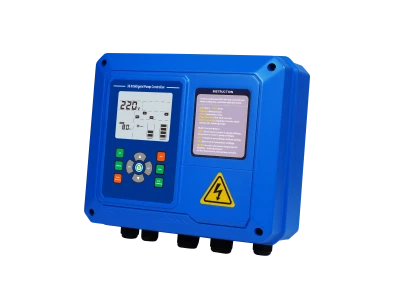
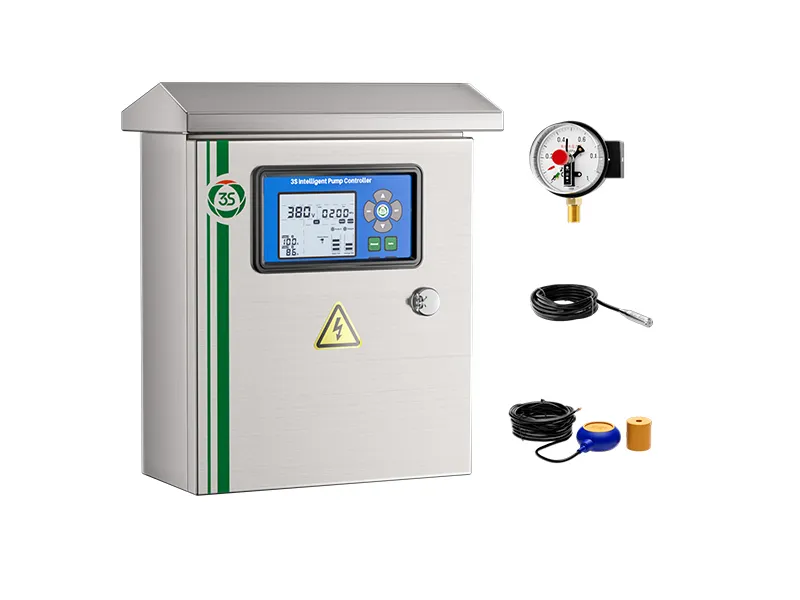
A complete pump control system consists of three core components: the pump controller, the signal device, and the executive mechanism. These three components perform their respective functions while cooperating closely, jointly building an "iron triangle" for intelligent water treatment and ensuring precise control of every link.
  • Pump Controller: The
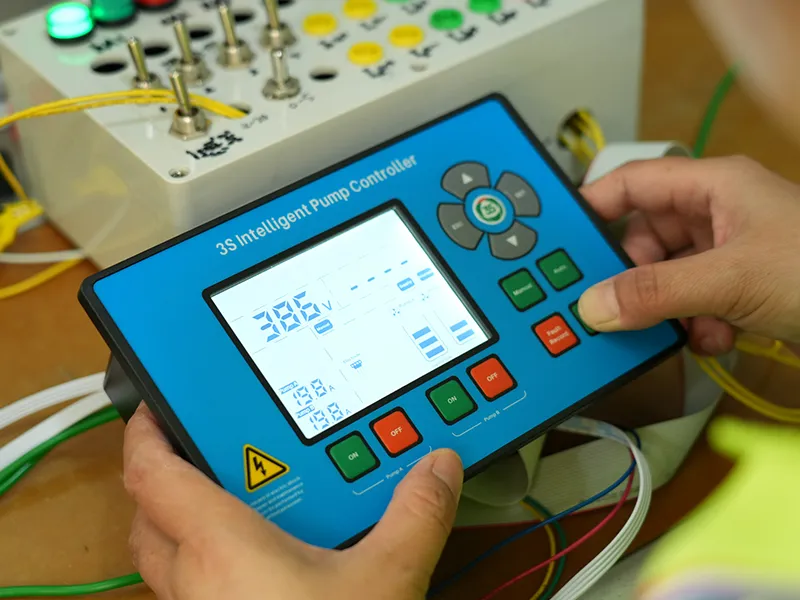
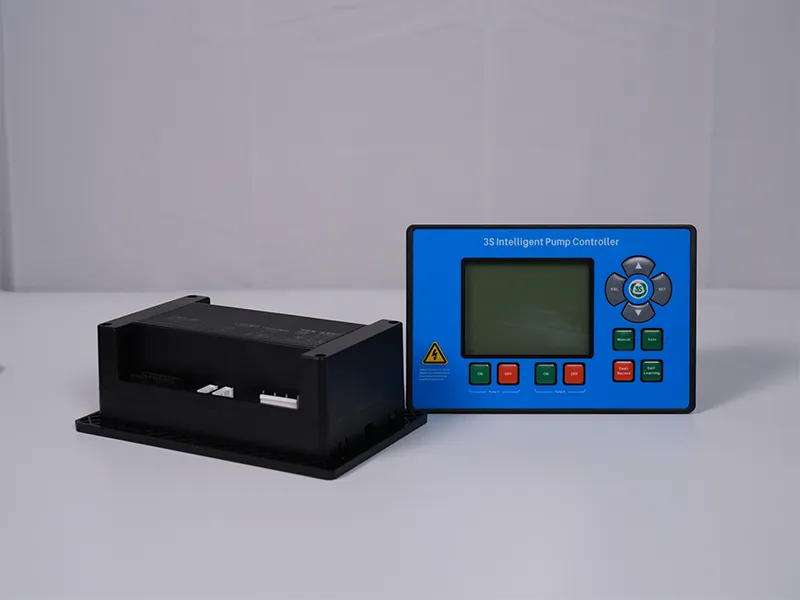
  • Pump Controller: The "Intelligent Brain" of the System

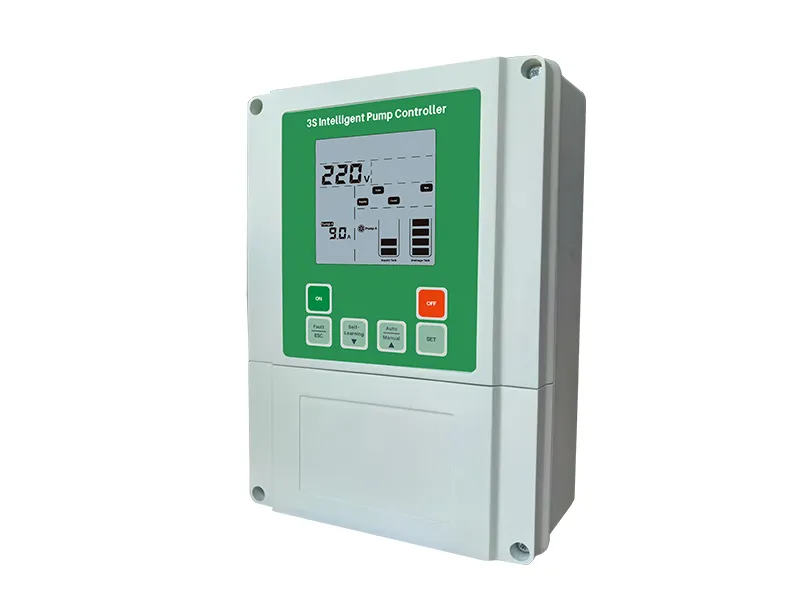
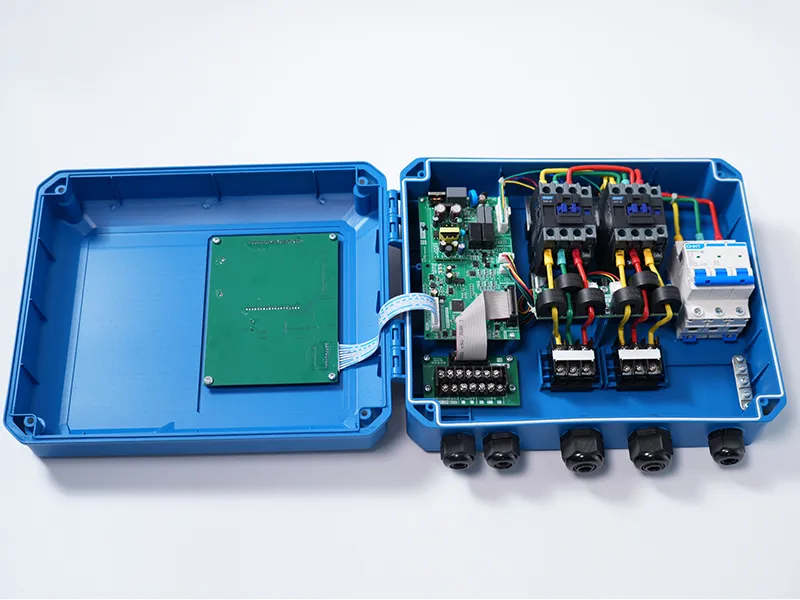
    If the pump control system is compared to a living organism, the pump controller is its "brain" and the core guarantee for the automatic operation of the water pump. It not only needs to receive various data in real time but also quickly complete analysis, judgment, and instruction issuance. During the system operation, the controller continuously receives monitoring data transmitted from the signal device, combines it with the preset parameter range, and instantly judges the current working condition-whether it is necessary to start the water pump to raise the water level or stop it to avoid overflow. Every decision is accurate and prompt, fundamentally replacing the lag and error of manual operation.
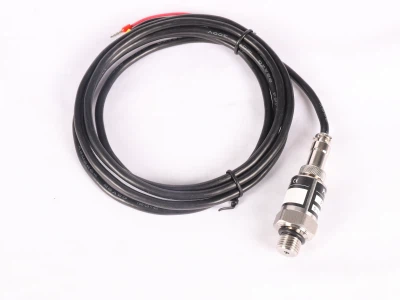
  • Signal Device: The Accurate "Sensing Antenna"

    To achieve intelligent control, it is first necessary to "see clearly" the system status, and the signal device undertakes the role of a "sensing antenna". It monitors key parameters such as water level and pressure in the system 24 hours a day. Any changes in water level or pressure can be accurately captured and converted into standardized signals, which are transmitted to the pump controller in real time. It can be said that the monitoring accuracy of the signal device directly determines the control accuracy of the entire system and serves as the "data foundation" for intelligent operation. 
  • Signal Device: The Accurate
Executive Mechanism: The Reliable "Executor"
With decisions and data in place, what is ultimately needed is "action", and the executive mechanism is the "executor" in the pump control system. It strictly follows the instructions issued by the pump controller and accurately completes operations such as starting and stopping the water pump, ensuring the system operates stably in accordance with the preset logic. Whether responding to sudden water level abnormalities or performing daily periodic regulation, the executive mechanism can respond quickly, serving as the "last line of defense" for ensuring the safety and reliability of the water treatment system.
Closed-Loop Collaboration: Revealing the Logic of Intelligent Operation

The intelligence of the pump control system lies in the "monitoring-feedback-control" automatic closed loop formed by the three core components. Let's take the most common water level regulation as an example to see how this closed loop works:


1. Real-time Monitoring: 

When the water level in the pool changes, the signal device captures this dynamic immediately, converts the water level value into an electrical signal, and quickly transmits it to the pump controller;


2. Intelligent Judgment: 

After receiving the signal, the pump controller immediately compares it with the preset water level threshold, and quickly judges the current state-if it is lower than the minimum threshold, the water pump needs to be started; if it is higher than the maximum threshold, the water pump needs to be stopped;


3. Precise Execution: 

The controller then issues corresponding operation instructions to the executive mechanism, which drives the water pump to start or stop to regulate the water level;


4. Dynamic Feedback: 

During the operation of the water pump, the signal device continuously monitors changes in the water level and feeds them back to the controller until the water level returns to the set range, and the controller issues a stop instruction, completing the closed-loop process.

High Efficiency and Energy Saving: The Core Value of Intelligence

Compared with traditional manual control or semi-automatic systems, the closed-loop collaboration mode of the pump control system brings significant value improvements:


High Efficiency and Precision:

No manual intervention is required; the system can complete monitoring and control at the millisecond level, avoiding resource waste and equipment failures caused by excessively high or low water levels;


Energy Conservation and Consumption Reduction: 

The water pump only operates when needed, avoiding ineffective energy consumption. According to statistics, the intelligent pump control system can increase the operating efficiency of water pumps by more than 30%;


Stability and Reliability: 

It operates 24 hours a day, reducing the pressure of manual inspection and lowering the safety risks caused by human operation errors.


From "passive response" to "active regulation", the pump control system injects intelligent vitality into the water treatment industry through the collaborative operation of its three core components. Whether in industrial circulating water systems, secondary water supply facilities, or sewage treatment scenarios, this system has become a core support for water resource management with its accurate and efficient performance.
Latest News

What'sapp

Ada

What'sapp

May

E-mail

E-mail

Wechat

Wechat

wechat