Unmanned Pump Control, Choose 3S


 Language
Language
Shanghai 3S Global Company Limited

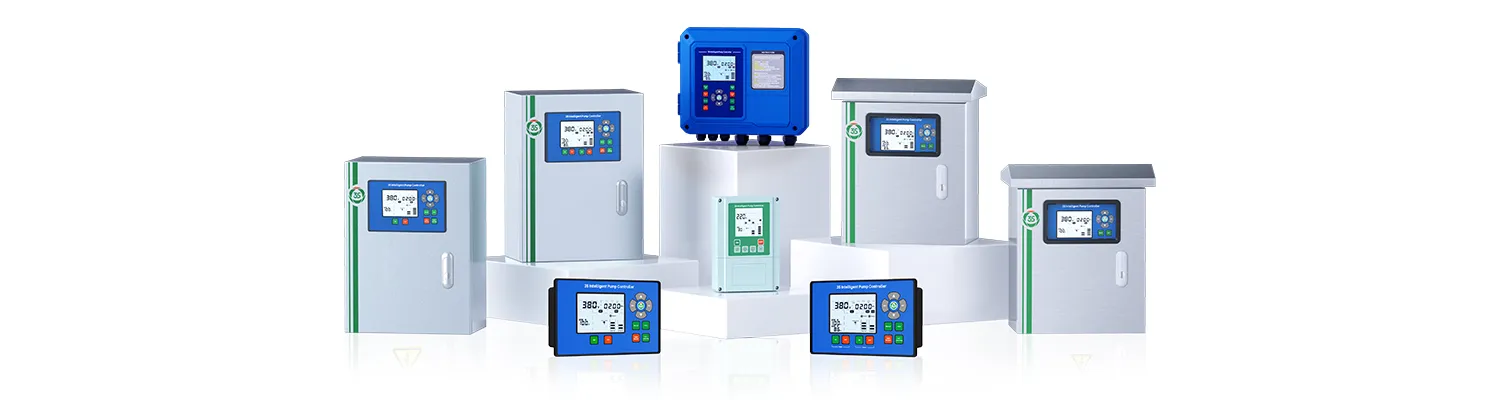
In modern industrial water supply, agricultural irrigation, and water treatment systems, multi-pump configurations have become essential for ensuring stability and redundancy. However, one critical issue is often overlooked: long-term inactivity of standby pumps.
Without periodic operation, standby pumps may suffer from moisture buildup, corrosion, shaft seizure, or seal degradation. In emergency situations, this can lead to startup failure or even motor burnout.
This is where intelligent control systems, including the Unmanned Duplex Pump Control Panel, introduce advanced anti-rust and self-diagnostic logic to ensure long-term reliability.
In multi-pump systems, pumps typically operate in a rotating duty-cycle mode, where one pump runs while others remain on standby. However, standby pumps must always remain in a “ready-to-run” condition.
Common risks include:
Mechanical seizure due to long idle periods
Bearing corrosion caused by humidity
Seal aging and failure
Motor insulation degradation
Emergency start failure
In applications such as municipal water supply, industrial circulation systems, and unmanned pump stations, these risks can become critical.
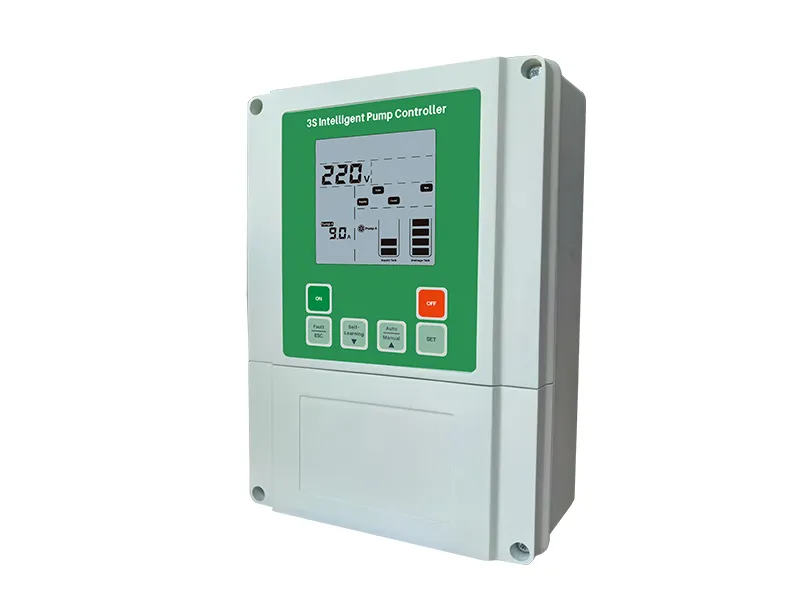
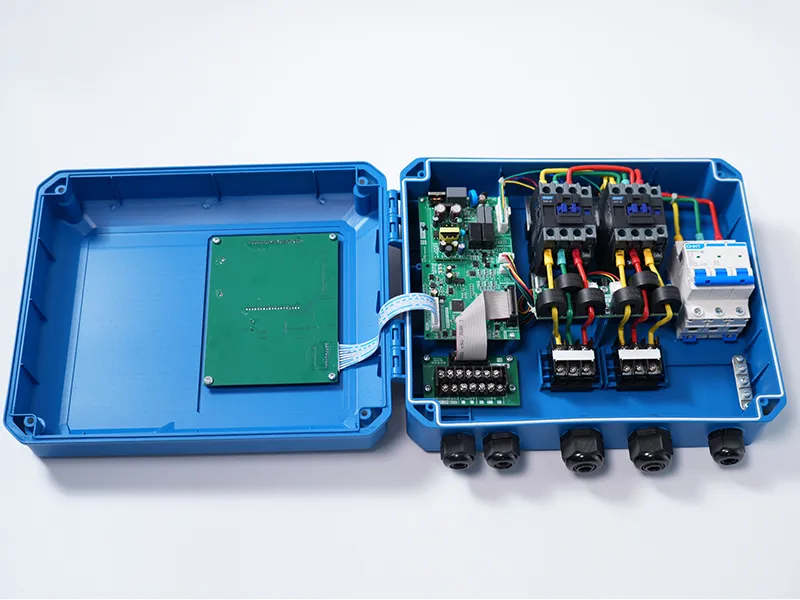
The Unmanned Duplex Pump Control Panel addresses these challenges by ensuring standby pumps remain mechanically healthy and operationally ready.
The primary goal of intelligent control is to prevent mechanical failure, electrical issues, and startup malfunction caused by long-term shutdown. Modern systems rely on three key strategies integrated into the Unmanned Duplex Pump Control Panel architecture:
1. Timed Short-Run Anti-Rust Operation
At preset intervals (such as every 15 or 30 days), the system automatically activates standby pumps for short operation cycles.
Key features include:
Automatic activation of standby pumps
Short runtime (a few seconds to tens of seconds)
Low-load shaft rotation to prevent rust
Maintenance of mechanical flexibility
This function ensures all pumps in healthy mechanical condition even during long idle periods.
2. Multi-Pump Rotation Anti-Rust Strategy
In systems with multiple pumps, the control logic rotates anti-rust operations across all units.
This ensures:
Even usage distribution among pumps
Prevention of long-term inactivity for any single pump
Balanced mechanical wear across the system
When the main pump is actively supplying water, the Pump Control automatically skips anti-rust operation to avoid pressure disturbances in the pipeline.
3. Intelligent Self-Test Cycle (Start – Check – Confirm)
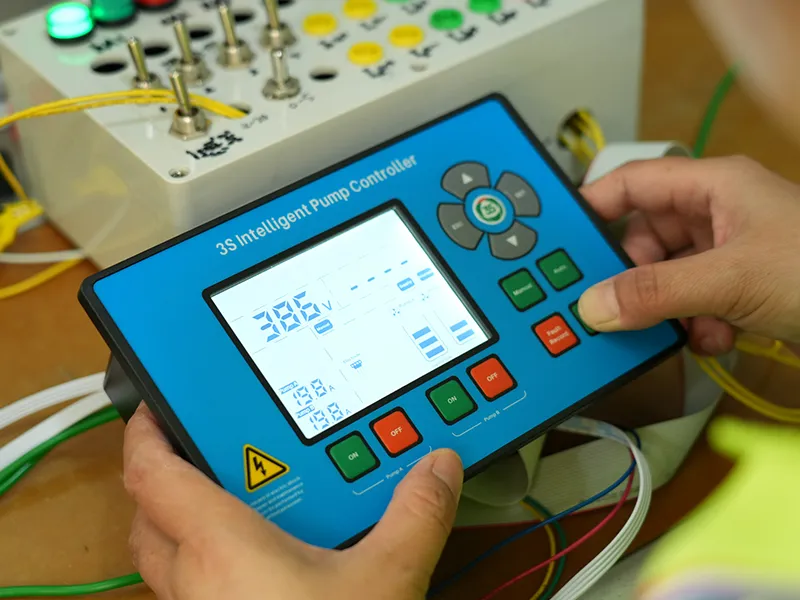
A more advanced feature is the built-in self-diagnostic process, which includes:
Short pump startup
Current and load monitoring
Detection of abnormal conditions such as blockage or overload
Automatic status evaluation
If any abnormality is detected:
The system triggers an alarm
Fault logs are recorded
Maintenance personnel are notified in advance
The Unmanned Duplex Pump Control Panel therefore shifts system maintenance from reactive repair to proactive monitoring.
Modern intelligent controllers allow full customization of operating logic, including: Anti-rust cycle intervals, runtime duration, pump rotation sequence, alarm response settings and self-test frequency.
This flexibility allows the Unmanned Duplex Pump Control Panel to adapt to different industrial environments, from small irrigation systems to large-scale municipal water networks.
By combining anti-rust operation with intelligent self-testing, multi-pump systems achieve: Improved long-term operational stability, reduced equipment failure rates, extended mechanical lifespan, lower maintenance costs and higher system availability
The Unmanned Duplex Pump Control Panel plays a key role in ensuring these benefits are consistently delivered in real-world applications.
As industrial automation continues to evolve, pump systems are no longer just mechanical equipment—they are intelligent, self-managing systems requiring continuous health monitoring.
With anti-rust logic and self-test capabilities, the Unmanned Duplex Pump Control Panel enables a shift from reactive maintenance to proactive system protection. It ensures standby pumps remain ready at all times, even after long periods of inactivity.
In the future, multi-pump control systems equipped with intelligent maintenance capabilities will become the standard configuration for industrial water treatment and water supply systems.
 English
 Español
 русский язык
 Français
 اللغة العربية